

الميكروبيوم المهبلي: لماذا يهم صحة المرأة؟
- مايو 23, 2026
- صحة المرأة
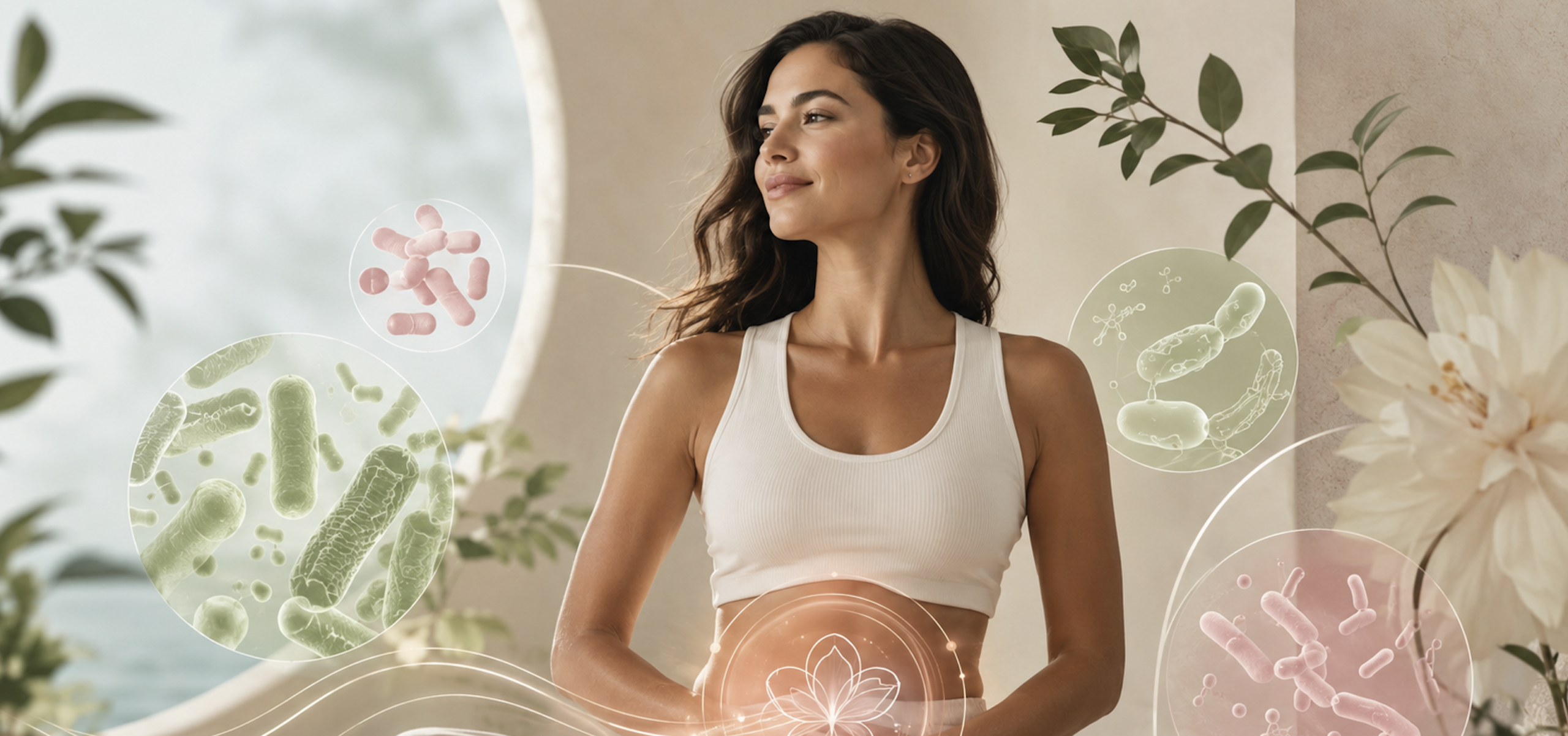
الميكروبيوم المهبلي هو واحد من أهم الجوانب في صحة المرأة، ومع ذلك لا يتم الحديث عنه بما يكفي. هو نظام دقيق من الكائنات الدقيقة التي تساعد على حماية الجسم، دعم الراحة، والحفاظ على التوازن الطبيعي. وعندما يختل هذا التوازن، قد تعاني المرأة من الانزعاج، الالتهابات، تغيّر الرائحة، التهيّج، أو أعراض متكررة. فهم الميكروبيوم المهبلي يساعد النساء على العناية بصحتهن بوعي أكبر وبدون خجل.

Dr. Suleiman Atieh
Founder
Dr. Suleiman Atieh is a pharmacist and founder of إلَيَّ, with a strong passion for healthcare marketing, brand strategy, and business development. He focuses on building meaningful healthcare brands that connect science, market needs, and modern communication.
Reviewed by Celine Abdallah
Last updated: May 23, 2026
Table of Contents
هذا المقال لأغراض تثقيفية فقط، ولا يُعد بديلًا عن الاستشارة الطبية المتخصصة.
ما هو الميكروبيوم المهبلي؟
يشير الميكروبيوم المهبلي إلى مجتمع الكائنات الدقيقة التي تعيش بشكل طبيعي في المنطقة المهبلية. وتشمل هذه الكائنات أنواعًا مختلفة من البكتيريا، وغالبًا ما تلعب أنواع اللاكتوباسيلس دورًا وقائيًا مهمًا.
عادةً يساعد الميكروبيوم المهبلي الصحي في الحفاظ على بيئة حمضية، مما قد يجعل نمو البكتيريا الضارة أكثر صعوبة. وتشير الأبحاث إلى أن الميكروبيوم المهبلي الذي تهيمن عليه بكتيريا اللاكتوباسيلس يرتبط غالبًا بصحة المهبل، مع أن التوازن “الصحي” قد يختلف من امرأة إلى أخرى.

لماذا يهم الميكروبيوم المهبلي؟
الميكروبيوم المهبلي لا يتعلق فقط بتجنب الالتهابات. بل يرتبط بعدة جوانب من صحة المرأة، مثل الراحة اليومية، الصحة الحميمة، صحة المسالك البولية، الصحة الإنجابية، والتغيرات التي تحدث خلال مراحل الحياة المختلفة.
عندما يكون الميكروبيوم متوازنًا، فإنه يساعد على دعم نظام الدفاع الطبيعي في الجسم. أما عندما يختل هذا التوازن، فيُسمى ذلك غالبًا اختلال التوازن الميكروبي، أي أن التوازن الطبيعي للكائنات الدقيقة قد تغيّر.
ومن الأمثلة الشائعة على ذلك التهاب المهبل البكتيري، حيث تقل أنواع اللاكتوباسيلس الواقية وتزداد أنواع أخرى من البكتيريا. وتصف مراكز السيطرة على الأمراض والوقاية منها التهاب المهبل البكتيري بأنه شكل من أشكال اختلال التوازن المهبلي، يحدث عندما يتم استبدال الأنواع الطبيعية من اللاكتوباسيلس بمستويات أعلى من البكتيريا اللاهوائية.
علامات قد تشير إلى اختلال الميكروبيوم المهبلي
اختلال التوازن لا يسبب أعراضًا دائمًا، لكن عندما تظهر الأعراض، فقد تشمل:
إفرازات مهبلية غير معتادة.
تغيّر واضح في الرائحة.
تهيّج أو شعور بعدم الراحة.
حكة أو إحساس بالحرقة.
التهابات متكررة.
انزعاج أثناء الأنشطة اليومية.
لا يجب تجاهل هذه الأعراض أو التعامل معها بمنتجات عشوائية. فهناك حالات كثيرة قد تبدو متشابهة، لذلك من المهم الحصول على تقييم طبي مناسب.
ما الذي قد يؤثر على الميكروبيوم المهبلي؟
يمكن أن يتأثر الميكروبيوم المهبلي بعدة عوامل، منها التغيرات الهرمونية، المضادات الحيوية، عادات النظافة، تغيّرات الدورة الشهرية، النشاط الجنسي، الحمل، انقطاع الطمث، التوتر، وصحة الجهاز المناعي.
كما أن استخدام المنظفات القاسية أو المنتجات المعطّرة في المناطق الحميمة قد يخلّ بالتوازن الطبيعي. فالمنطقة المهبلية لا تحتاج إلى تنظيف قوي أو مبالغ فيه. غالبًا ما تكون النظافة الخارجية اللطيفة كافية.
دور الهرمونات
لل هرمونات تأثير قوي على الميكروبيوم المهبلي. يساعد الإستروجين في دعم البيئة المهبلية، بما في ذلك الترطيب، راحة الأنسجة، والظروف التي تسمح للبكتيريا الواقية بالنمو.
ولهذا قد تلاحظ بعض النساء تغيّرات خلال الحمل، بعد الولادة، عند استخدام بعض الأدوية الهرمونية، أو خلال مرحلة ما قبل انقطاع الطمث وانقطاع الطمث.
يتغير الميكروبيوم المهبلي عبر مراحل حياة المرأة. وتوضح مراجعات علمية حول الميكروبيوم المهبلي كيف يمكن للتغيرات الهرمونية خلال البلوغ، سنوات الإنجاب، الحمل، وانقطاع الطمث أن تؤثر على التوازن الميكروبي المهبلي وصحة الجهاز البولي والتناسلي.
الميكروبيوم المهبلي وانقطاع الطمث
خلال مرحلة ما قبل انقطاع الطمث وانقطاع الطمث، قد تؤثر مستويات الإستروجين المنخفضة على ترطيب المهبل، درجة الحموضة، والتوازن الميكروبي. وقد يؤدي ذلك إلى زيادة الشعور بالجفاف، التهيّج، الانزعاج، أو تكرار بعض الأعراض لدى بعض النساء.
وهذا أحد الأسباب التي تجعل صحة المهبل جزءًا مهمًا من الحديث عن التقدّم الصحي في العمر. فانقطاع الطمث لا يتعلق فقط بالهبّات الساخنة أو توقف الدورة الشهرية، بل قد يؤثر أيضًا على الراحة الحميمة وجودة الحياة.
الميكروبيوم المهبلي والصحة الإنجابية
قد يلعب الميكروبيوم المهبلي أيضًا دورًا في الصحة الإنجابية وصحة الحمل. فالميكروبيوم المتوازن قد يساعد على دعم بيئة مهبلية أكثر صحة، بينما قد يرتبط اختلال التوازن بزيادة خطر بعض الالتهابات والمضاعفات.
هذا لا يعني أن على المرأة أن تشخّص نفسها أو تشعر بالقلق. لكنه يعني ببساطة أن صحة المهبل تستحق نفس الاهتمام الذي نمنحه لصحة الأمعاء، صحة البشرة، أو الصحة الهرمونية.
كيف يمكن دعم ميكروبيوم مهبلي صحي؟
1. تجنبي المنتجات الحميمة القاسية
تجنبي الغسولات المعطرة، البخاخات، أو روتينات التنظيف القوية. فقد تؤثر هذه المنتجات على درجة الحموضة الطبيعية والتوازن البكتيري.
2. اتبعي نظافة لطيفة
نظفي المنطقة الحميمة الخارجية بلطف باستخدام الماء أو منتجات خفيفة وغير مهيّجة. وتجنبي ممارسات التنظيف الداخلي إلا إذا أوصى بها مختص صحي.
3. انتبهي لاستخدام المضادات الحيوية دون حاجة
المضادات الحيوية قد تكون ضرورية ومهمة، لكنها قد تؤثر أيضًا على البكتيريا النافعة. لذلك يجب استخدامها فقط عند وصفها من الطبيب وعند الحاجة الحقيقية.
4. ادعمي صحتك العامة
النوم، إدارة التوتر، التغذية المتوازنة، شرب الماء، وصحة الجهاز المناعي كلها عوامل قد تساعد في دعم التوازن الطبيعي للجسم.
5. راجعي الطبيب عند تكرار الأعراض
تكرار الرائحة، الإفرازات، التهيّج، أو الانزعاج يحتاج إلى فحص. تشير الكلية الأمريكية لأطباء النساء والتوليد إلى أن الأسباب الشائعة لالتهاب المهبل تشمل التهاب المهبل البكتيري، الالتهابات الفطرية، داء المشعرات، والتهاب المهبل الضموري، ولكل منها طريقة تعامل مختلفة.
هل يجب على النساء استخدام البروبيوتيك؟
أصبح البروبيوتيك موضوعًا شائعًا في صحة المهبل. تشير بعض الأبحاث إلى أن سلالات معينة من البروبيوتيك قد تساعد في دعم التوازن الميكروبي المهبلي، لكن النتائج تعتمد على نوع السلالة، الجرعة، التركيبة، وحالة كل امرأة.
ليست كل أنواع البروبيوتيك متشابهة. ووجود عبارة “بروبيوتيك للنساء” على المنتج لا يعني تلقائيًا أنه فعّال. النساء اللواتي يعانين من أعراض متكررة يجب أن يتحدثن مع مختص صحي قبل الاعتماد على المكملات وحدها.
متى يجب مراجعة الطبيب؟
يجب طلب المشورة الطبية في حال ظهور:
رائحة مستمرة.
إفرازات غير معتادة.
حكة أو حرقة.
انزعاج في منطقة الحوض.
أعراض تتكرر باستمرار.
أعراض خلال الحمل.
نزيف غير مرتبط بالدورة الشهرية.
الرعاية المبكرة قد تمنع تحوّل الانزعاج إلى مشكلة متكررة.
أفكار ختامية
الميكروبيوم المهبلي جزء قوي ومهم من صحة المرأة. فهو يحمي، يوازن، ويتفاعل مع التغيرات التي تحدث في كل مرحلة من مراحل الحياة.
الحديث عن صحة المهبل لا يجب أن يكون محرجًا. بل يجب التعامل معه كجزء طبيعي ومهم من العافية.
عندما تفهم النساء أجسادهن بشكل أفضل، يستطعن اتخاذ قرارات أفضل، طرح أسئلة أوضح، وطلب الرعاية بثقة أكبر.
صحة المرأة لا تتعلق فقط بما هو ظاهر. أحيانًا، يكون أهم توازن هو ذلك الذي يحدث بهدوء داخل الجسم.
الأسئلة الشائعة
ما هو الميكروبيوم المهبلي؟
الميكروبيوم المهبلي هو المجتمع الطبيعي من الكائنات الدقيقة التي تعيش في المنطقة المهبلية. يساعد التوازن الصحي في دعم الراحة، الحماية الطبيعية، والصحة الحميمة.
لماذا يُعد الميكروبيوم المهبلي مهمًا؟
يساعد في الحفاظ على بيئة مهبلية صحية، ويدعم الدفاع الطبيعي ضد البكتيريا الضارة، وقد يلعب دورًا في الالتهابات، راحة المسالك البولية، الهرمونات، والصحة الإنجابية.
ما الذي قد يخلّ بتوازن الميكروبيوم المهبلي؟
التغيرات الهرمونية، المضادات الحيوية، المنتجات الحميمة القاسية، التوتر، تغيّرات الدورة الشهرية، النشاط الجنسي، الحمل، وانقطاع الطمث يمكن أن تؤثر جميعها على توازن الميكروبيوم المهبلي.
كيف يمكن للمرأة دعم ميكروبيوم مهبلي صحي؟
يمكن دعم ذلك من خلال تجنب المنتجات المعطرة في المنطقة الحميمة، اتباع نظافة خارجية لطيفة، استخدام المضادات الحيوية فقط عند الحاجة، دعم الصحة العامة، ومراجعة الطبيب عند تكرار الأعراض.
References
- American College of Obstetricians and Gynecologists. (n.d.). Vaginitis. ACOG. Retrieved May 23, 2026, from https://www.acog.org/womens-health/faqs/vaginitis
- Centers for Disease Control and Prevention. (2021). Bacterial vaginosis: STI treatment guidelines. CDC. https://www.cdc.gov/std/treatment-guidelines/bv.htm
- Chen, X., Lu, Y., Chen, T., & Li, R. (2021). The female vaginal microbiome in health and bacterial vaginosis. Frontiers in Cellular and Infection Microbiology, 11, 631972. https://doi.org/10.3389/fcimb.2021.631972
- Holdcroft, A. M., Ireland, D. J., & Payne, M. S. (2023). The vaginal microbiome in health and disease—What role do common intimate hygiene practices play? Microorganisms, 11(2), 298. https://doi.org/10.3390/microorganisms11020298
- Gao, H., Huang, X., Chen, X., & Chen, T. (2024). Deciphering the role of female reproductive tract microbiome in reproductive health. Frontiers in Cellular and Infection Microbiology, 14, 1351540. https://doi.org/10.3389/fcimb.2024.1351540
About the Author
Dr. Suleiman Atieh is a pharmacist and founder of إلَيَّ, with a strong passion for healthcare marketing, brand strategy, and business development. He focuses on building meaningful healthcare brands that connect science, market needs, and modern communication.
Dr. Suleiman Atieh
Founder