
Low-Impact Workouts Are the New Smart Fitness Trend
- June 8, 2026
- Fitness
Fitness is changing.
For years, the message was simple: go harder, sweat more, burn more, push more. But today, more people are rethinking what “effective exercise” really means. Instead of chasing exhaustion, the new fitness mindset is about training smarter, moving consistently, and protecting the body for the long term.
That is why low-impact workouts are becoming one of the biggest smart fitness trends.
Low-impact fitness is not about doing “easy” workouts. It is about choosing movements that reduce stress on the joints while still improving strength, endurance, balance, flexibility, and overall health. Think walking, Pilates, cycling, swimming, yoga, barre, resistance training, rowing, and controlled mobility workouts.
The goal is simple: move well, feel better, stay consistent, and build a body that supports your life not one that feels constantly tired or injured.

Dr. Suleiman Atieh
Founder
Dr. Suleiman Atieh is a pharmacist and founder of إلَيَّ, with a strong passion for healthcare marketing, brand strategy, and business development. He focuses on building meaningful healthcare brands that connect science, market needs, and modern communication.
Reviewed by Celine Abdallah
Last updated: June 06, 2026
Table of Contents
This article is for educational purposes only and is not a substitute for professional medical advice.
What Are Low-Impact Workouts?
Low-impact workouts are exercises that reduce heavy force on the joints. Usually, this means at least one foot stays on the ground, or the body is supported in a way that lowers pressure on areas like the knees, hips, ankles, and lower back.
Common examples include:
Walking
Pilates
Yoga
Swimming
Cycling
Elliptical training
Barre workouts
Resistance band exercises
Strength training with controlled movement
Mobility and stretching routines
Water aerobics
Rowing
The most important thing to understand is this: low-impact does not mean low-intensity.
A Pilates session can make your muscles shake. A cycling class can raise your heart rate. A strength workout with slow controlled movements can challenge your body deeply. The difference is that these workouts reduce unnecessary pounding and pressure, making them easier to repeat consistently.
Why Low-Impact Workouts Are Trending Now
Low-impact workouts are becoming popular because people are tired of fitness routines that feel punishing. Many want exercise that supports energy, confidence, and long-term health without leaving them sore for days.
This shift is also connected to bigger wellness trends like longevity, active aging, recovery, nervous system health, wearable tracking, and sustainable routines. People are no longer asking only, “How many calories did I burn?” They are asking better questions:
Can I stay consistent?
Does this workout support my joints?
Will this help me move better in daily life?
Can I recover properly?
Does it improve strength, balance, and mobility?
Can I continue doing this years from now?
That is why low-impact fitness feels modern. It matches the new definition of wellness: strong, balanced, functional, and sustainable.
The Benefits of Low-Impact Workouts
1. They Are Easier on the Joints
One of the biggest reasons people choose low-impact workouts is joint comfort. High-impact exercises like jumping, sprinting, or intense plyometrics can be useful for some people, but they are not always suitable for beginners, people with joint sensitivity, or anyone returning to exercise after a break.
Low-impact workouts reduce repeated pressure on the knees, hips, ankles, and back. This makes them a smart option for people who want to stay active without constantly irritating their body.
Walking, swimming, cycling, and Pilates are especially popular because they support movement without excessive joint stress.
2. They Help You Stay Consistent
The best workout is not always the hardest one. It is the one you can repeat.
Low-impact workouts are often easier to fit into daily life because they do not require extreme recovery. You can walk today, do Pilates tomorrow, stretch the next day, and add strength training later in the week without feeling completely drained.
Consistency is where results happen. A realistic routine done regularly is more powerful than an intense plan you quit after two weeks.
3. They Support Strength Without Overtraining
Low-impact does not mean you are only stretching or walking slowly. Strength training can also be low-impact when done with controlled form.
Exercises like squats to a chair, glute bridges, dead bugs, wall push-ups, resistance band rows, and slow lunges can build real strength while keeping the body supported.
This type of training is especially helpful because it improves everyday movement: lifting, carrying, walking upstairs, sitting, standing, and maintaining posture.
4. They Improve Mobility and Flexibility
Modern life makes many people stiff. Long hours sitting, using phones, working at laptops, and driving can reduce mobility in the hips, shoulders, spine, and ankles.
Low-impact workouts often include controlled ranges of motion, stretching, balance work, and body awareness. Pilates, yoga, barre, and mobility flows help the body move more freely.
Better mobility can also make other workouts feel safer and more effective.
5. They Can Improve Cardiovascular Fitness
Cardio does not have to mean running or jumping.
Brisk walking, cycling, swimming, rowing, dancing, and elliptical training can all raise the heart rate and support cardiovascular fitness. The key is intensity. A low-impact workout can still be challenging if you increase pace, resistance, incline, or duration.
For example, walking uphill or cycling with resistance can feel very different from a gentle stroll.
6. They Support Recovery and Long-Term Fitness
Recovery is no longer seen as laziness. It is now part of smart training.
Low-impact workouts can help people stay active on days when they do not want a heavy session. A gentle walk, stretching routine, swim, or mobility flow can support circulation, reduce stiffness, and help the body feel better.
This is why many athletes, busy professionals, beginners, and wellness-focused people include low-impact days in their weekly routines.
Low-Impact vs High-Impact: Which Is Better?
Neither one is automatically better. They serve different purposes.
High-impact workouts include movements where both feet may leave the ground, such as running, jumping, burpees, jump squats, and intense plyometrics. These can improve power, speed, and bone-loading stimulus when done correctly.
Low-impact workouts reduce landing force and joint stress. They are often better for beginners, recovery days, people with joint discomfort, and anyone building a sustainable routine.
The smartest approach is not to follow trends blindly. It is to choose the type of movement that fits your body, your goals, and your current fitness level.
For many people, low-impact workouts are the best place to start because they build the foundation: strength, mobility, balance, posture, and consistency.
Best Low-Impact Workouts to Try
Walking
Walking is simple, accessible, and underrated. It supports heart health, mood, energy, and daily movement. You can make it more challenging by increasing your pace, adding hills, or walking for longer.
Best for: beginners, busy schedules, daily movement, mental reset.
Pilates
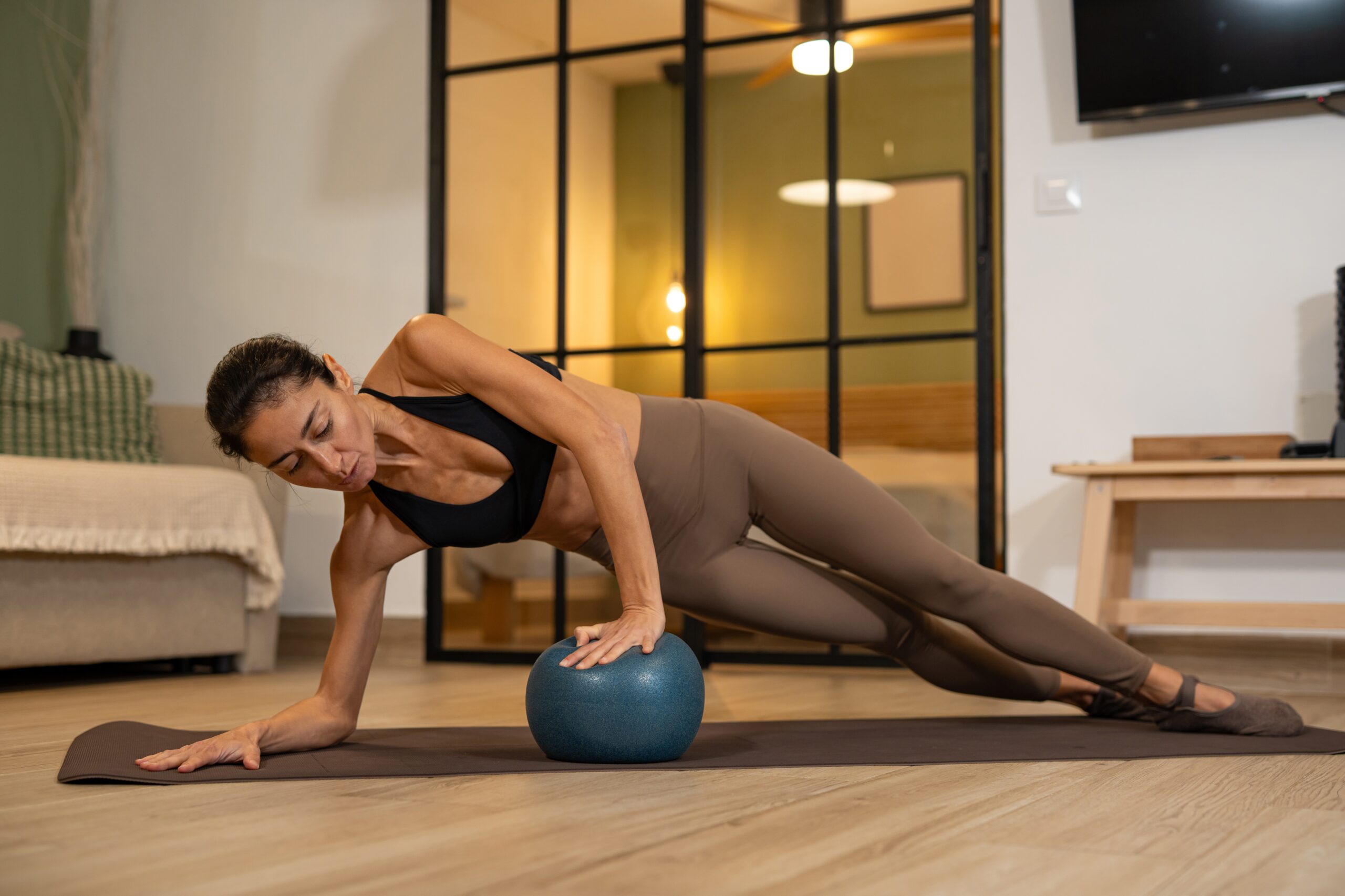
Pilates focuses on core strength, posture, breathing, control, and alignment. It is low-impact but can be surprisingly challenging. It is especially popular among people who want strength, tone, mobility, and better body awareness without heavy jumping.
Best for: core strength, posture, mobility, controlled movement.
Cycling
Cycling is a joint-friendly cardio option that can be done outdoors or on a stationary bike. It allows you to adjust intensity easily by changing resistance, speed, or duration.
Best for: cardio fitness, lower-body endurance, joint-friendly intensity.
Swimming
Swimming supports the body in water, making it gentle on the joints while still working the heart, lungs, and muscles. It is a great option for full-body movement.
Best for: full-body cardio, joint comfort, recovery-friendly training.
Yoga
Yoga combines strength, balance, flexibility, breathing, and mindfulness. Depending on the style, it can be gentle or physically challenging.
Best for: flexibility, stress relief, balance, body awareness.
Barre
Barre uses small controlled movements inspired by ballet, Pilates, and strength training. It can target the legs, glutes, core, and posture muscles without jumping.
Best for: muscular endurance, posture, lower-body strength.
Strength Training
Strength training becomes low-impact when movements are controlled and there is no jumping or heavy landing. Dumbbells, resistance bands, machines, and bodyweight exercises can all be used.
Best for: muscle strength, metabolism support, functional movement, longevity.
Mobility Training
Mobility work focuses on moving joints through a controlled range of motion. It is excellent for reducing stiffness and improving movement quality.
Best for: flexibility, joint health, better movement, warm-ups and recovery.
A Simple Weekly Low-Impact Workout Plan
Here is a beginner-friendly weekly structure:
Day 1: 30-minute brisk walk + 10 minutes stretching
Day 2: Pilates or core workout
Day 3: Strength training with bodyweight or resistance bands
Day 4: Rest or gentle mobility
Day 5: Cycling, swimming, or elliptical workout
Day 6: Yoga or barre
Day 7: Easy walk and recovery stretching
This plan can be adjusted depending on your fitness level. The goal is not perfection. The goal is consistency.
How to Make Low-Impact Workouts More Effective
To get the most out of low-impact training, focus on quality.
Move with control.
Use proper form.
Increase resistance slowly.
Add variety across the week.
Train strength, cardio, mobility, and balance.
Listen to your body.
Avoid comparing your pace to others.
Choose workouts you actually enjoy.
You can also use the “talk test” during cardio. If you can talk but not sing, you are likely working at a moderate intensity. This can help you make walking, cycling, or swimming more effective without overdoing it.
Who Should Try Low-Impact Workouts?
Low-impact workouts can be helpful for many people, including:
Beginners
People returning to exercise
Busy professionals
People with joint sensitivity
People who dislike jumping workouts
Women looking for sustainable routines
Older adults
People focusing on longevity
Anyone who wants to stay active without constant soreness
However, if you have an injury, chronic pain, pregnancy-related concerns, heart condition, or any medical issue, it is best to speak with a qualified healthcare professional before starting or changing your routine.
Are Low-Impact Workouts Good for Weight Management?
Low-impact workouts can support weight management as part of a healthy lifestyle, but they should not be seen only as a way to burn calories.
Their real power is consistency. When exercise feels enjoyable and manageable, people are more likely to keep doing it. Over time, regular movement supports cardiovascular health, muscle strength, mood, energy, and body composition.
For best results, low-impact workouts should be combined with balanced nutrition, enough protein, fiber-rich foods, sleep, hydration, and stress management.
The New Fitness Mindset: Smart Over Extreme
Low-impact workouts represent a bigger change in fitness culture.
People are moving away from the idea that a workout must be painful to be useful. The new approach is more intelligent. It values recovery, mobility, strength, longevity, and emotional wellbeing.
This does not mean high-intensity workouts are bad. It means that fitness should support your life, not drain it.
A smart workout leaves you feeling stronger, more capable, and more connected to your body. Low-impact training does exactly that.
Final Thoughts
Low-impact workouts are not just a softer version of fitness. They are a smarter, more sustainable way to train.
They help protect the joints, build strength, improve mobility, support cardiovascular health, and make consistency easier. Whether you choose walking, Pilates, cycling, swimming, yoga, barre, or strength training, the most important thing is to move in a way that feels good and fits your life.
Fitness does not have to be extreme to be effective.
Sometimes, the smartest workout is the one your body can keep coming back to
FAQ
1. Are low-impact workouts effective?
Yes. Low-impact workouts can improve strength, endurance, flexibility, balance, and cardiovascular fitness. The key is choosing the right intensity and staying consistent.
2. Can low-impact workouts help build muscle?
Yes. Low-impact strength training using bodyweight, resistance bands, dumbbells, or machines can help build and maintain muscle when performed regularly and progressively.
3. Is walking considered a low-impact workout?
Yes. Walking is one of the most accessible low-impact workouts. Brisk walking can support heart health, fitness, mood, and daily movement goals.
4. Are low-impact workouts only for beginners?
No. Low-impact workouts are suitable for all fitness levels. Advanced Pilates, cycling, swimming, rowing, and strength training can be very challenging without being high-impact.
5. How many days a week should I do low-impact workouts?
Many people benefit from 3 to 5 days per week, depending on their goals and fitness level. A balanced routine can include cardio, strength training, mobility, and recovery days.
References
- American College of Sports Medicine — Top Fitness Trends 2026
Used to support the idea that fitness is shifting toward smarter, sustainable trends such as wearable technology, older adult fitness, exercise for weight management, mobile exercise apps, and mobility/balance-focused training. - CDC — Adult Physical Activity Guidelines
Used to support the recommendation that adults need at least 150 minutes of moderate-intensity physical activity per week plus 2 days of muscle-strengthening activity. - World Health Organization — Physical Activity Recommendations
Used to support the global recommendation for aerobic activity and muscle-strengthening activities involving major muscle groups at least 2 days per week. - Cleveland Clinic — Low-Impact Cardio Exercises
Used to support the explanation that low-impact cardio can help build cardiovascular fitness while reducing extra strain on joints, with examples such as swimming, cycling, rowing, elliptical workouts, walking, and hiking. - Harvard Health — The 4 Most Important Types of Exercise
Used to support the importance of combining aerobic exercise, strength training, stretching, and balance work for a complete fitness routine. - American Heart Association — Physical Activity Recommendations for Adults
Used to support heart-health recommendations for weekly aerobic activity, strength training, and reducing sedentary time.
About the Author
Dr. Suleiman Atieh is a pharmacist and founder of إلَيَّ, with a strong passion for healthcare marketing, brand strategy, and business development. He focuses on building meaningful healthcare brands that connect science, market needs, and modern communication.
Dr. Suleiman Atieh
Founder