

Author name: Celine Abdallah

vitamins and herbs for stress and energy
Women’s Health

PCOS Is Now PMOS: Why the Name Changed and What It Means

Home / Blog / May 17, 2026 Women’s Health PCOS is no longer just about “cysts.” The new name, PMOS, reflects a deeper understanding of the condition as a hormonal and metabolic disorder that affects the whole body. Celine Abdallah Founder Celine Abdallah brings a multidisciplinary background in health communication, project management, and strategic coordination. At إلَيَّ, she helps shape the platform with a thoughtful, collaborative, and human-centered approach. Reviewed by Suleiman Atieh Last updated: May 17, 2026 Table of Contents This article is for educational purposes only and is not a substitute for professional medical advice. Introduction For years, many women knew the condition as PCOS, or Polycystic Ovary Syndrome. But recently, the name was changed to PMOS Polyendocrine Metabolic Ovarian Syndrome. This change is more than just a medical update. It reflects a better understanding of what the condition really is: not simply a problem of “cysts” on the ovaries, but a complex condition involving hormones, metabolism, reproductive health, skin, weight, and emotional wellbeing. According to the Endocrine Society, PMOS affects around 1 in 8 women, or more than 170 million women worldwide. The new name was developed through a global effort involving patient and professional organizations to improve awareness, diagnosis, and care. Why Was the Name PCOS Changed? The old name, Polycystic Ovary Syndrome, created a lot of confusion. The word “polycystic” made many people think the condition was mainly about ovarian cysts. In reality, experts now emphasize that the so-called “cysts” are not always true abnormal cysts. They are often small follicles related to ovulation changes. Some people with the condition may not even have these ovarian features, while others may have hormonal and metabolic symptoms that are more important. This misunderstanding sometimes led to delayed diagnosis, incomplete treatment, and a narrow focus on reproductive symptoms only. The new name, PMOS, helps shift attention to the full picture. What Does PMOS Mean? The new name explains the condition more clearly: Polyendocrine means that more than one hormone system may be involved. Metabolic highlights the connection with insulin resistance, weight changes, blood sugar regulation, and long-term metabolic health. Ovarian keeps the link to reproductive and ovulation-related symptoms, but without making the condition sound like it is only about cysts. Together, PMOS gives a more accurate medical identity to the condition. It shows that this is not just a gynecological issue, but a whole-body endocrine and metabolic condition. What Symptoms Can PMOS Cause? PMOS symptoms can vary from one person to another. Some may have mild symptoms, while others experience more noticeable changes. Common features may include irregular menstrual cycles, acne, excess facial or body hair, hair thinning, weight changes, insulin resistance, fertility challenges, and mood-related concerns. The condition can also be linked to metabolic risks such as type 2 diabetes and cardiovascular risk factors. This is one of the main reasons the name needed to change. The old name did not reflect the wide range of symptoms and long-term health effects. Does the Name Change Mean the Condition Has Changed? No. The condition itself has not changed. What changed is the way the medical community describes it. PMOS is the same condition previously called PCOS, but the new name better matches the current scientific understanding. For now, diagnosis is still based on established clinical criteria. The 2023 International Evidence-based Guideline describes diagnosis using features such as hyperandrogenism, ovulatory dysfunction, and polycystic ovarian morphology or AMH in adults, after excluding other causes. In adolescents, diagnosis is more careful and requires both ovulatory dysfunction and hyperandrogenism. Why This Name Change Matters The shift from PCOS to PMOS matters because language affects care. When a condition is misunderstood, patients may feel dismissed or confused. Some may be told they do not have the condition because they do not have visible ovarian cysts. Others may only receive treatment for irregular periods while their metabolic or hormonal health is not fully assessed. The new name helps encourage a more complete approach. It may support better screening, more personalized treatment, and stronger awareness that PMOS can affect the body beyond fertility. A global survey found that many patients and healthcare professionals supported changing the name because the old term did not reflect the broader health impact of the condition. What Does This Mean for Women Diagnosed With PCOS? For women already diagnosed with PCOS, the name change does not mean they need to start over or panic. It simply means that the condition may now be referred to as PMOS in future medical discussions, articles, and guidelines. During the transition period, both names may still be used together so patients and healthcare professionals can recognize that they refer to the same condition. The most important point is that PMOS should be managed based on each person’s symptoms, health goals, and risks. For some, the main concern may be menstrual regularity. For others, it may be acne, hair growth, fertility, insulin resistance, weight, or long-term metabolic health.   Final thoughts The change from PCOS to PMOS is not just a rebrand. It is a step toward more accurate, respectful, and complete women’s health care. PCOS sounded like a condition mainly about ovarian cysts. PMOS tells a bigger story: a condition involving hormones, metabolism, ovaries, skin, fertility, and overall wellbeing. By changing the name, experts hope to reduce confusion, improve diagnosis, and help women receive care that looks at the whole body not just one symptom. FAQ Is PCOS the same as PMOS? Yes. PMOS is the new name for the condition previously known as PCOS. What does PMOS stand for? PMOS stands for Polyendocrine Metabolic Ovarian Syndrome. Why did they remove the word “cyst”? Because the condition is not simply caused by ovarian cysts, and not everyone with the condition has cysts. The old name created confusion. Does the treatment change because of the new name? Not immediately. The name change mainly improves accuracy and awareness. Treatment should still be personalized based on symptoms and medical evaluation.   References Endocrine Society — PMOS name
skin longevity
Beauty & Skin

Skin Longevity: The New Beauty Trend Beyond Anti-Aging

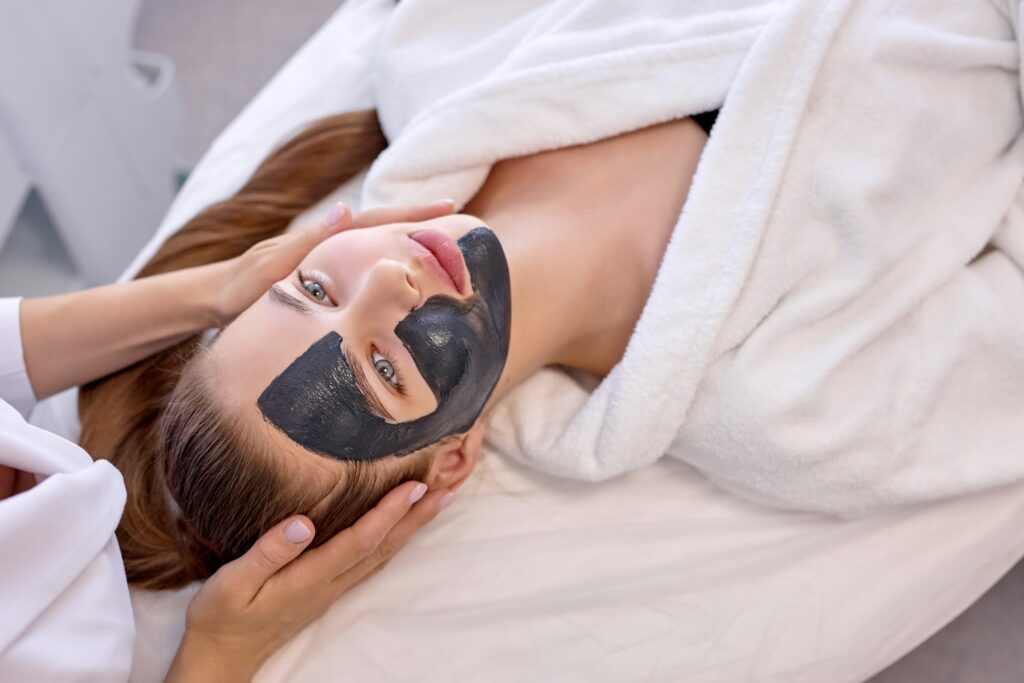
Home / Blog / May 15, 2026 Beauty & Skin Discover the new beauty approach of skin longevity a smarter way to care for your skin by focusing on barrier health, hydration, sun protection, and long-term radiance instead of only anti-aging. Celine Abdallah Founder Celine Abdallah brings a multidisciplinary background in health communication, project management, and strategic coordination. At إلَيَّ, she helps shape the platform with a thoughtful, collaborative, and human-centered approach. Reviewed by Suleiman Atieh Last updated: March 20, 2026 Table of Contents This article is for educational purposes only and is not a substitute for professional medical advice. Skin Longevity: The New Beauty Trend Beyond Anti-Aging For years, beauty conversations focused heavily on “anti-aging.” Today, the trend is changing. The new direction in skincare is not about fighting age, but about supporting the skin so it stays healthy, strong, hydrated, and radiant over time. This is where skin longevity comes in. Skin longevity is one of the biggest beauty and skincare conversations of 2026, with more attention on skin barrier health, cellular care, microbiome balance, peptides, antioxidants, sun protection, and routines that protect the skin instead of overwhelming it. The beauty industry is moving toward more science-backed, prevention-focused skincare rather than quick-fix promises. What Is Skin Longevity? Skin longevity means taking care of your skin in a way that supports its long-term health. Instead of only asking, “How can I reduce wrinkles?” the better question becomes: How can I keep my skin barrier strong, hydrated, protected, and balanced for years to come? This approach focuses on prevention, consistency, and skin resilience. It is less about using too many aggressive products and more about choosing ingredients and habits that help the skin function at its best.   Healthy-looking skin is not only about glow. It is also about comfort, hydration, smooth texture, even tone, and the ability of the skin to recover from daily stressors like sun exposure, pollution, dryness, harsh weather, and overuse of active ingredients. Why Skin Longevity Is Becoming a Major Beauty Trend Modern consumers are becoming more educated. They no longer want skincare that only sounds luxurious; they want products and routines that make sense. In 2026, skincare trends are increasingly focused on skin longevity, cellular health, peptides, antioxidants, ectoin, exosomes, body care, and personalized routines. This shows a clear shift from surface-level beauty promises to a more complete view of skin health. Another reason skin longevity is trending is the rise of “barrier-first” skincare. Many people have experienced irritation from over-exfoliation, strong acids, retinoids, or complicated routines. As a result, simple and supportive skincare is becoming more desirable. The message is clear: healthy skin is not built by doing more. It is built by doing the right things consistently. The Skin Barrier: The Foundation of Skin Longevity The skin barrier is the outer protective layer of the skin. Its job is to help keep moisture in and irritants out. When the skin barrier is healthy, the skin usually feels more comfortable, hydrated, and balanced. When the barrier is weakened, the skin may feel dry, tight, sensitive, rough, or easily irritated. This is why barrier care has become one of the most important parts of modern skincare. Ingredients such as ceramides, glycerin, hyaluronic acid, panthenol, squalane, and fatty acids are commonly used in barrier-supportive routines. Ceramide-containing moisturizers have been studied for their role in improving skin barrier-related measures such as transepidermal water loss, which is linked to how well the skin retains moisture. A skin longevity routine should always start with one goal: protect the barrier first. Microbiome Skincare: The Invisible Layer of Healthy Skin Another major part of skin longevity is the skin microbiome. This refers to the community of microorganisms that naturally live on the skin. A balanced skin microbiome plays an important role in supporting skin health, helping protect against harmful organisms, and interacting with the immune system. This does not mean every product needs to say “microbiome” on the label. In many cases, microbiome-friendly skincare simply means using gentle products that do not strip the skin. A microbiome-conscious routine usually includes: When people talk about aging, they often focus on beauty or body shape. But one of the most important parts of healthy aging for women is heart health. Hormonal changes around menopause can influence cardiovascular risk, which means women should pay closer attention to blood pressure, blood sugar, cholesterol, waist circumference, and daily activity levels. Taking care of the heart should become just as normal as taking care of the skin. Healthy aging means understanding that long-term vitality is not only about how you look. It is also about how well your body functions from the inside out. Peptides: Smart Support for Healthy-Looking Skin Peptides are another popular ingredient in the skin longevity conversation. They are often used in skincare products designed to support firmness, elasticity, and smoother-looking skin. In 2026 skincare trend discussions, peptides are frequently mentioned alongside ingredients like vitamin C, CoQ10, NAD+ boosters, and other science-led actives that support the future of regenerative and longevity-focused skincare. Peptides are not magic, but they can be a valuable part of a well-balanced routine, especially when combined with hydration, sunscreen, and barrier-supportive ingredients. For best results, peptides should not be treated as a replacement for the basics. They work best when the routine already includes cleansing, moisturizing, and daily sun protection. SPF: The Most Important Longevity Step If skin longevity had one non-negotiable step, it would be sunscreen. Daily sun protection helps reduce the visible effects of sun exposure and supports long-term skin health. The American Academy of Dermatology recommends choosing a broad-spectrum sunscreen with SPF 30 or higher. A good morning routine should end with sunscreen, especially when spending time outdoors or sitting near windows. Sunscreen should also be reapplied when needed, especially with sweating, swimming, or long outdoor exposure. No serum can replace sunscreen. If the goal is long-term skin health, SPF is the foundation. The Rise of “Less But Better” Skincare One of the biggest mistakes

Mental Wellness

Digital Detox for Mental Health: A Modern Guide to Feeling Calmer Online

Home / Blog / May 13, 2026 Mental Wellness In today’s always online world, constant notifications and endless scrolling can leave the mind feeling tired and overwhelmed. A digital detox is a simple way to create healthier boundaries with technology, regain focus, improve emotional balance, and reconnect with real-life moments of calm. Celine Abdallah Founder Celine Abdallah brings a multidisciplinary background in health communication, project management, and strategic coordination. At إلَيَّ, she helps shape the platform with a thoughtful, collaborative, and human-centered approach. Reviewed by Suleiman Atieh Last updated: March 20, 2026 Table of Contents This article is for educational purposes only and is not a substitute for professional medical advice. Introduction In a world where our phones are almost always within reach, silence has become a luxury. We wake up to notifications, scroll between tasks, check messages during meals, and often end the day with a screen in our hands. While technology helps us connect, learn, work, and create, constant digital exposure can also leave the mind feeling overstimulated, distracted, and emotionally drained. Mental health is not only the absence of illness. The World Health Organization describes mental health as a state of wellbeing that helps people cope with life’s stresses, realize their abilities, learn, work, and contribute to their communities.   This is why the idea of a digital detox has become more than a wellness trend. It is becoming a modern self-care habit: a way to pause, reset, and rebuild a healthier relationship with the digital world. What Is a Digital Detox? A digital detox does not mean disappearing from the internet forever. It simply means taking intentional breaks from screens, social media, notifications, and constant online stimulation. It can be as simple as: Keeping your phone away during meals Avoiding social media before bed Turning off non-essential notifications Taking one screen-free hour each day Creating phone-free moments with friends or family The goal is not to reject technology. The goal is to use it with more awareness, instead of letting it control your focus, mood, and time. Why Digital Overload Affects Mental Health Digital platforms are designed to keep us engaged. Every notification, message, video, and update competes for attention. Over time, this can make the brain feel constantly “on.” Research and public health reports have linked high screen use with concerns such as poor sleep habits, fatigue, and symptoms of anxiety and depression, especially among teenagers. The CDC has also noted that screen use can affect mental health through several pathways, including sleep, physical activity, social connection, and the type of content being viewed. This does not mean every screen is harmful. The issue is usually not technology itself, but how often we use it, why we use it, and how it makes us feel afterward. The Emotional Cost of Being “Always Online” One of the biggest challenges of modern life is the pressure to always be reachable. Messages, emails, social media updates, and news alerts can create a sense of urgency even when nothing urgent is happening.   The American Psychological Association has reported that people who constantly check their devices tend to experience higher stress levels than those who check less often. This constant checking can affect daily life in subtle ways. You may notice that you feel restless when your phone is not nearby, compare your life to others online, struggle to focus for long periods, or feel emotionally heavy after scrolling through negative news or unrealistic content. A digital detox gives your mind space to breathe again. News Anxiety and Mental Overwhelm Another reason digital detoxing is becoming important is the emotional weight of constant news exposure. Many people are not only scrolling for entertainment; they are also consuming crisis updates, conflict news, economic stress, climate concerns, and global uncertainty. UNICEF reported that 60% of young people in a study felt overwhelmed by the news, showing how global crises and constant information exposure can affect emotional wellbeing. Staying informed is important, but being exposed to distressing content all day can make the nervous system feel unsafe and exhausted. A healthier approach is to choose specific times for news, follow reliable sources, and balance information with recovery. How a Digital Detox Can Support Mental Wellbeing A digital detox can help you reconnect with what your mind and body actually need. When screen time becomes more intentional, many people find it easier to focus, sleep, communicate, and feel present. 1. Better Focus Reducing distractions helps your brain return to deeper attention. Without constant notifications, it becomes easier to complete tasks, read, study, work, or simply think clearly. 2. Better Sleep Routine Screens before bed can interfere with rest because they keep the brain stimulated. Creating a phone-free bedtime routine can help your mind slow down and prepare for sleep. 3. Less Comparison Social media often shows edited highlights of people’s lives. Taking breaks from it can reduce the pressure to compare your appearance, success, relationships, or lifestyle to others. 4. More Emotional Awareness When you are not constantly distracted, you can better notice your real emotions. This helps you understand whether you are tired, anxious, bored, lonely, or simply in need of rest. 5. Stronger Real-Life Connection Phone-free moments can improve the quality of conversations and relationships. Being fully present with people can make simple interactions feel more meaningful. Signs You May Need a Digital Detox You may benefit from a digital reset if you notice that: You check your phone immediately after waking up You feel anxious when you cannot check notifications You lose time scrolling without realizing it Social media affects your mood or confidence You struggle to focus without checking your phone You use screens late at night even when you are tired You feel emotionally drained after consuming online content These signs do not mean you are doing something wrong. They simply show that your mind may be asking for more space, quiet, and balance. How to Start a Digital Detox Without Feeling Overwhelmed A digital detox should

Scroll to Top