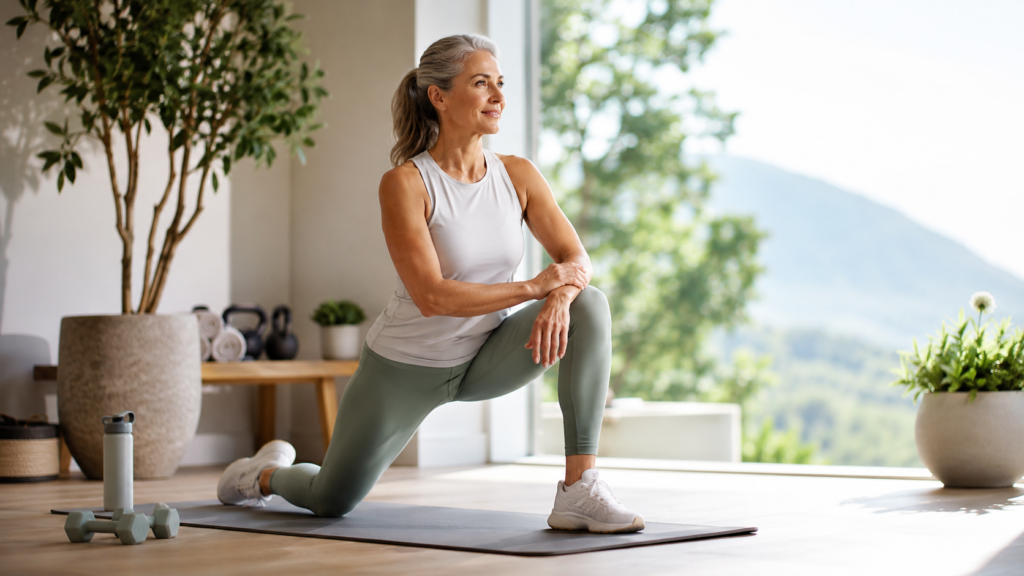

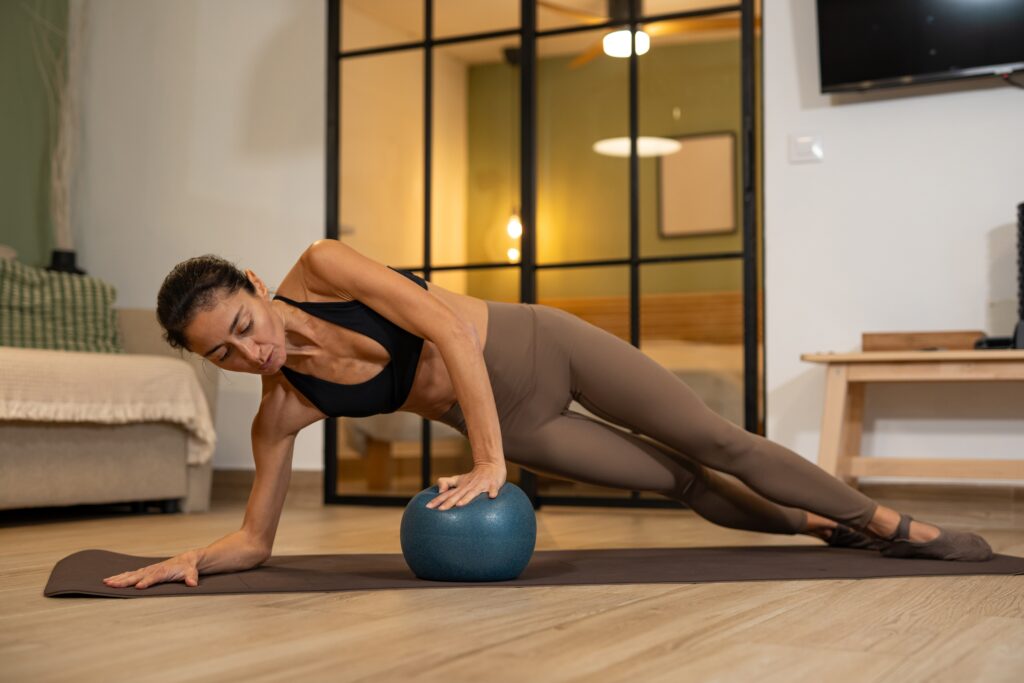
Low-Impact Workouts Are the New Smart Fitness Trend
Home / Blog / June 8, 2026 Fitness Fitness is changing. For years, the message was simple: go harder, sweat more, burn more, push more. But today, more people are rethinking what “effective exercise” really means. Instead of chasing exhaustion, the new fitness mindset is about training smarter, moving consistently, and protecting the body for the long term. That is why low-impact workouts are becoming one of the biggest smart fitness trends. Low-impact fitness is not about doing “easy” workouts. It is about choosing movements that reduce stress on the joints while still improving strength, endurance, balance, flexibility, and overall health. Think walking, Pilates, cycling, swimming, yoga, barre, resistance training, rowing, and controlled mobility workouts. The goal is simple: move well, feel better, stay consistent, and build a body that supports your life not one that feels constantly tired or injured. Dr. Suleiman Atieh Founder Dr. Suleiman Atieh is a pharmacist and founder of إلَيَّ, with a strong passion for healthcare marketing, brand strategy, and business development. He focuses on building meaningful healthcare brands that connect science, market needs, and modern communication. Reviewed by Celine Abdallah Last updated: June 06, 2026 Table of Contents This article is for educational purposes only and is not a substitute for professional medical advice. What Are Low-Impact Workouts? Low-impact workouts are exercises that reduce heavy force on the joints. Usually, this means at least one foot stays on the ground, or the body is supported in a way that lowers pressure on areas like the knees, hips, ankles, and lower back. Common examples include: WalkingPilatesYogaSwimmingCyclingElliptical trainingBarre workoutsResistance band exercisesStrength training with controlled movementMobility and stretching routinesWater aerobicsRowing The most important thing to understand is this: low-impact does not mean low-intensity. A Pilates session can make your muscles shake. A cycling class can raise your heart rate. A strength workout with slow controlled movements can challenge your body deeply. The difference is that these workouts reduce unnecessary pounding and pressure, making them easier to repeat consistently. Why Low-Impact Workouts Are Trending Now Low-impact workouts are becoming popular because people are tired of fitness routines that feel punishing. Many want exercise that supports energy, confidence, and long-term health without leaving them sore for days. This shift is also connected to bigger wellness trends like longevity, active aging, recovery, nervous system health, wearable tracking, and sustainable routines. People are no longer asking only, “How many calories did I burn?” They are asking better questions: Can I stay consistent?Does this workout support my joints?Will this help me move better in daily life?Can I recover properly?Does it improve strength, balance, and mobility?Can I continue doing this years from now? That is why low-impact fitness feels modern. It matches the new definition of wellness: strong, balanced, functional, and sustainable. The Benefits of Low-Impact Workouts 1. They Are Easier on the Joints One of the biggest reasons people choose low-impact workouts is joint comfort. High-impact exercises like jumping, sprinting, or intense plyometrics can be useful for some people, but they are not always suitable for beginners, people with joint sensitivity, or anyone returning to exercise after a break. Low-impact workouts reduce repeated pressure on the knees, hips, ankles, and back. This makes them a smart option for people who want to stay active without constantly irritating their body. Walking, swimming, cycling, and Pilates are especially popular because they support movement without excessive joint stress. 2. They Help You Stay Consistent The best workout is not always the hardest one. It is the one you can repeat. Low-impact workouts are often easier to fit into daily life because they do not require extreme recovery. You can walk today, do Pilates tomorrow, stretch the next day, and add strength training later in the week without feeling completely drained. Consistency is where results happen. A realistic routine done regularly is more powerful than an intense plan you quit after two weeks. 3. They Support Strength Without Overtraining Low-impact does not mean you are only stretching or walking slowly. Strength training can also be low-impact when done with controlled form. Exercises like squats to a chair, glute bridges, dead bugs, wall push-ups, resistance band rows, and slow lunges can build real strength while keeping the body supported. This type of training is especially helpful because it improves everyday movement: lifting, carrying, walking upstairs, sitting, standing, and maintaining posture. 4. They Improve Mobility and Flexibility Modern life makes many people stiff. Long hours sitting, using phones, working at laptops, and driving can reduce mobility in the hips, shoulders, spine, and ankles. Low-impact workouts often include controlled ranges of motion, stretching, balance work, and body awareness. Pilates, yoga, barre, and mobility flows help the body move more freely. Better mobility can also make other workouts feel safer and more effective. 5. They Can Improve Cardiovascular Fitness Cardio does not have to mean running or jumping. Brisk walking, cycling, swimming, rowing, dancing, and elliptical training can all raise the heart rate and support cardiovascular fitness. The key is intensity. A low-impact workout can still be challenging if you increase pace, resistance, incline, or duration. For example, walking uphill or cycling with resistance can feel very different from a gentle stroll. 6. They Support Recovery and Long-Term Fitness Recovery is no longer seen as laziness. It is now part of smart training. Low-impact workouts can help people stay active on days when they do not want a heavy session. A gentle walk, stretching routine, swim, or mobility flow can support circulation, reduce stiffness, and help the body feel better. This is why many athletes, busy professionals, beginners, and wellness-focused people include low-impact days in their weekly routines. Low-Impact vs High-Impact: Which Is Better? Neither one is automatically better. They serve different purposes. High-impact workouts include movements where both feet may leave the ground, such as running, jumping, burpees, jump squats, and intense plyometrics. These can improve power, speed, and bone-loading stimulus when done correctly. Low-impact workouts reduce landing force and joint stress. They are often better for beginners,