
Author name: Suleiman Atieh

saffron
Herbals & Natural Health

Saffron for Mood & Emotional Balance

Home / Blog / May 23, 2026 Herbals & Natural Health Saffron has always been known as one of the world’s most luxurious spices. Its deep golden color, delicate aroma, and rich cultural history have made it a treasured ingredient in kitchens, traditional wellness practices, and beauty rituals for centuries. Today, saffron is gaining attention for another reason: emotional wellness. As more people look for natural ways to support mood, stress balance, focus, and daily calm, saffron has become one of the most interesting herbs in modern wellness. It is no longer seen only as a premium spice. It is now being explored as a botanical ingredient with potential benefits for mood and mental wellbeing, especially when used in standardized supplement forms. However, like all herbal ingredients, saffron should be understood carefully. It is not a replacement for medical care, and it should not be presented as a cure. Instead, saffron may be viewed as part of a broader wellness routine that includes sleep, nutrition, movement, stress management, and professional support when needed. Dr. Suleiman Atieh Founder Dr. Suleiman Atieh is a pharmacist and founder of إلَيَّ, with a strong passion for healthcare marketing, brand strategy, and business development. He focuses on building meaningful healthcare brands that connect science, market needs, and modern communication. Reviewed by Celine Abdallah Last updated: May 23, 2026 Table of Contents This article is for educational purposes only and is not a substitute for professional medical advice. What Is Saffron? Saffron comes from the flower Crocus sativus L. The red-orange threads, known as stigmas, are carefully harvested by hand, which is one reason saffron is considered one of the most expensive spices in the world. Its main active compounds include crocin, crocetin, safranal, and picrocrocin. These natural compounds are believed to contribute to saffron’s color, aroma, taste, and potential biological activity. Research reviews have discussed saffron’s antioxidant, anti-inflammatory, and neurological effects, although more high-quality studies are still needed to confirm many health-related uses. Why Saffron Is Trending in Modern Wellness Modern wellness is shifting from general supplements to more targeted solutions. People are not only asking, “What vitamin should I take?” They are asking, “What can support my mood, sleep, focus, stress, and daily balance?” This is where saffron fits beautifully. Saffron has a premium image, a strong natural identity, and growing scientific interest. It also connects well with several wellness trends, including: Mood supportStress balanceSleep qualityWomen’s wellnessFocus and emotional wellbeingClean-label herbal supplements This makes saffron a strong topic in the vitamins and herbs category, especially for readers who are interested in natural, elegant, and science-aware wellness ingredients. Saffron and Mood Support One of the most discussed areas of saffron research is its potential role in mood support. Several studies and reviews have explored saffron supplementation in relation to depressive symptoms, mood, and emotional wellbeing. A 2021 randomized study on adults with low mood found that saffron extract supplementation was associated with improvements in mood-related scores and social relationship measures compared with placebo. More recent clinical research has also continued to investigate saffron extract for mood outcomes, including a 2025 study that reported benefits on depressive symptoms in adults, while also noting the importance of placebo response in future research. This does not mean saffron should be described as a treatment for depression or anxiety in consumer wellness content. A safer and more responsible way to say it is: Saffron is being studied for its potential role in supporting mood and emotional wellbeing. How Saffron May Support Emotional Balance Researchers are still studying how saffron may affect mood and emotional wellness. Current discussions often focus on saffron’s antioxidant activity, possible effects on neurotransmitter pathways, inflammation-related pathways, and stress response. In simple words, saffron may support emotional balance through multiple pathways rather than one single mechanism. That is part of what makes it interesting as a botanical ingredient. Still, more research is needed to understand the best dosage, extract type, long-term safety, and which groups may benefit the most. Saffron for Stress and Daily Calm Saffron is also becoming popular in stress-support formulas. For many people, stress is not only emotional. It can affect sleep, focus, motivation, appetite, and energy. A good saffron blog should avoid exaggerated claims like “saffron removes stress.” Instead, it is better to position saffron as a gentle herbal option that may support emotional wellbeing and daily calm as part of a healthy lifestyle. This makes saffron especially suitable for wellness routines focused on: Feeling more balanced during busy daysSupporting calm without a sedative imageMaintaining emotional wellbeingReducing the feeling of daily mental overload Saffron and Sleep: A Growing Area of Interest Sleep and mood are closely connected. When sleep quality is poor, mood and energy often suffer. When stress is high, sleep can also become more difficult. Saffron is now appearing in some sleep and relaxation formulas because of its connection to emotional balance and calm. Some studies have explored saffron’s potential effects on sleep quality, but this area still needs more research before strong conclusions can be made. For a consumer-friendly wellness message, you can say: Saffron may support emotional balance, which can be part of a healthier nighttime wellness routine. Why Saffron Fits Women’s Wellness Saffron is also interesting in women’s wellness because mood, stress, sleep, hormonal changes, and emotional balance are often connected. Some older clinical research has explored saffron in relation to premenstrual symptoms and psychological wellbeing, although larger and more consistent studies are still needed. A systematic review of randomized trials suggested saffron may have potential effects on depression, premenstrual symptoms, and other psychological or behavioral outcomes, but it also emphasized the need for larger clinical trials. This makes saffron a suitable ingredient to discuss in women’s lifestyle content, especially when the wording stays responsible and educational. How to Choose a Saffron Supplement Not all saffron products are the same. The quality of the saffron, the extract standardization, and the dose can make a big difference. When choosing a saffron supplement, look for: Standardized saffron extractThis
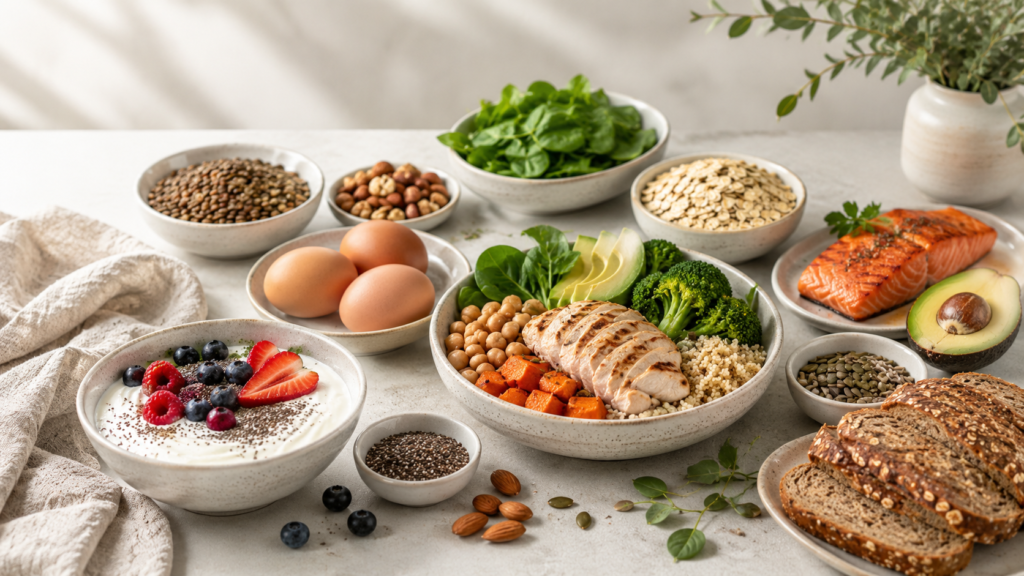
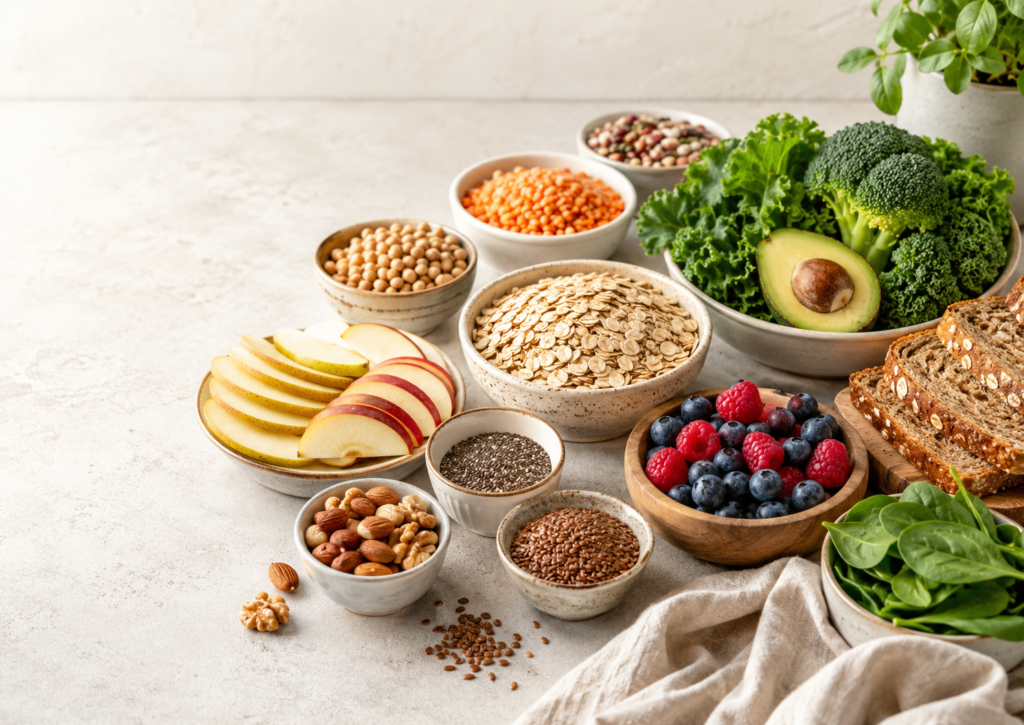
protein and fiber
Nutrition & Vitamins

Protein and Fiber: The New Power Combination

Home / Blog / May 23, 2026 Nutrition & Vitamins Nutrition trends come and go, but some stand out for the right reasons. In 2026, one of the strongest shifts in food and wellness is the growing focus on protein and fiber together. Industry trend coverage points to both as leading priorities, driven by demand for foods that support satiety, gut health, and more functional everyday eating. This combination is gaining attention because it feels practical. Protein has long been linked to muscle health and fullness. Fiber is increasingly valued for gut health, digestion, and appetite support. Together, they reflect a more balanced, modern approach to nutrition. Dr. Suleiman Atieh Founder Dr. Suleiman Atieh is a pharmacist and founder of إلَيَّ, with a strong passion for healthcare marketing, brand strategy, and business development. He focuses on building meaningful healthcare brands that connect science, market needs, and modern communication. Reviewed by Celine Abdallah Last updated: May 23, 2026 Table of Contents This article is for educational purposes only and is not a substitute for professional medical advice. Why protein and fiber are trending together Consumers are no longer looking only for low-calorie or low-fat products. They want food that feels satisfying, nutrient-dense, and useful in everyday life. Current 2026 nutrition reporting highlights protein and fiber as dual drivers of innovation, especially in products designed for satiety, metabolic balance, and digestive support. This pairing also fits broader eating trends that prioritize: smarter snacking gut-friendly foods better meal balance more whole-food nutrition compact but nourishing meals What makes this combination so effective? Protein and fiber each bring different benefits to the table. Protein helps support muscle maintenance, tissue repair, and fullness. Fiber supports digestive health, adds bulk, and can help people feel satisfied after meals. Reviews also show that both protein and fiber independently contribute to appetite control and weight-management strategies. When combined in the same meal or snack, they create a more complete eating experience. Instead of a quick energy spike followed by hunger, meals built around protein and fiber often feel more stable, more satisfying, and more aligned with long-term wellness goals. This is partly an inference from the evidence that each nutrient separately improves satiety and dietary quality. Benefits of combining protein and fiber 1. Better satiety Protein and fiber are both strongly associated with fullness. Clinical and review literature suggests that each can improve appetite control, which is why this combination is now appearing more often in weight-management and wellness discussions. 2. Stronger meal balance A meal built around refined carbohydrates alone may feel less satisfying than one that includes protein and fiber. This is one reason dietary guidance emphasizes patterns built on nutrient-dense foods, including protein foods, legumes, whole grains, fruits, and vegetables. 3. Support for gut health Fiber plays a central role in gut health because some fibers are fermented by the gut microbiota and support beneficial compounds in the digestive system. Protein does not replace fiber in this role, but when paired with fiber-rich foods, it helps create more balanced meals that align with current gut-health-focused eating patterns. 4. A smarter fit for modern eating habits Trend reporting in 2026 links higher-protein, fiber-rich products to changing consumer needs, including more compact meals, more functional foods, and nutrition choices that feel practical rather than extreme. Why this matters beyond dieting One of the reasons this topic is so relevant is that it moves nutrition away from extremes. Protein and fiber are not about chasing a fad diet. They are about building meals that help people feel nourished, satisfied, and supported in everyday life. This is especially important now, as current dietary guidance continues to emphasize real, whole, nutrient-dense foods over heavily processed patterns. Best examples of protein and fiber foods The good news is that this trend does not require complicated products. Many everyday meals already combine protein and fiber naturally. Examples include: Greek yogurt with berries and chia seeds Eggs with whole grain toast and avocado Lentil soup with yogurt or cheese Chicken with quinoa and roasted vegetables Cottage cheese with fruit and nuts Hummus with vegetables and seeds Oats with milk or yogurt, nuts, and berries Tofu with brown rice and broccoli These combinations work because they bring together protein-rich foods and fiber-rich plant foods in a realistic way. Simple ways to eat more protein and fiber Build breakfast better Try starting the day with oats plus yogurt, eggs with whole grain toast, or chia pudding with milk and fruit. This helps create a more satisfying breakfast than a refined, low-fiber option. Upgrade your snacks A smart snack can combine both nutrients naturally, such as yogurt with berries, apple slices with nut butter, or hummus with vegetables. Add legumes more often Beans, lentils, and chickpeas are some of the best examples of foods that contribute fiber while also adding protein, making them especially useful in this trend. Pair protein with plants Instead of thinking only about meat, shakes, or bars, think about combinations: fish with vegetables, eggs with greens, tofu with grains, or dairy with fruit and seeds. Is this just another nutrition buzzword? Not entirely. The language around trends may change, but the idea behind this one is solid. Protein and fiber are both well-supported in the nutrition literature, and current 2026 trend reporting shows that consumers and brands are increasingly bringing them together in a single conversation. That makes this trend more than just social media language. It reflects a real shift toward practical, functional eating. Final Thoughts Protein and fiber are becoming the new power combination because they answer what many people are looking for right now: better satiety, smarter meal structure, gut-friendly choices, and more realistic wellness habits. Trend reports show this pairing is shaping innovation in 2026, while scientific literature supports the value of both nutrients in a balanced diet. The most useful version of this trend is simple: build meals around real foods that include both protein and fiber, and let consistency do the rest. FAQ 1. Why

Fiber Maxxing
Nutrition & Vitamins

Fiber Maxxing: Trend or Smart Nutrition? | Gut Health, Satiety and Wellness

Home / Blog / May 23, 2026 Nutrition & Vitamins Fiber is having a moment. Once seen as a quiet nutrition topic mostly linked to digestion, fiber is now one of the most talked-about wellness trends of 2026. Trend coverage and nutrition industry reports point to fiber as a major driver of current food innovation, especially because it connects gut health, fullness, blood sugar support, and long-term wellness. But does “fiber maxxing” actually make sense, or is it just another catchy health phrase? The answer is somewhere in the middle. The attention on fiber is not random. Most people still do not get enough of it, and fiber has well-established benefits for digestion, satiety, and cardiometabolic health. At the same time, more is not always better overnight. A smart approach matters.   Dr. Suleiman Atieh Founder Dr. Suleiman Atieh is a pharmacist and founder of إلَيَّ, with a strong passion for healthcare marketing, brand strategy, and business development. He focuses on building meaningful healthcare brands that connect science, market needs, and modern communication. Reviewed by Celine Abdallah Last updated: May 23, 2026 Table of Contents This article is for educational purposes only and is not a substitute for professional medical advice. Why fiber is suddenly trending Fiber is trending now because it fits perfectly with what people want from food. Today’s wellness consumer is not only looking for calories or macros. They want food that supports gut health, keeps them satisfied, feels practical, and aligns with a more balanced lifestyle. Recent 2026 nutrition trend reports specifically highlight fiber alongside protein as one of the dominant themes shaping products and consumer choices this year. It also helps that fiber connects several major wellness conversations at once: gut microbiome support fullness and appetite awareness more whole foods and less refined eating better long-term dietary quality That makes fiber feel both trendy and genuinely useful.   What fiber actually is Dietary fiber is a type of carbohydrate that the body does not fully digest. It is naturally found in plant foods such as fruits, vegetables, legumes, nuts, seeds, and whole grains. Different types of fiber have different effects, but broadly, fiber helps support digestion, adds bulk to stool, and can contribute to feeling full after meals. Some fibers are also fermented by gut microbes, which can produce beneficial compounds such as short-chain fatty acids. This is one reason fiber is so closely tied to gut health conversations today.   Why fiber matters beyond digestion Many people still think fiber is only about constipation. That is too narrow. 1. Fiber supports satiety Fiber adds volume and can help people feel full faster, which is one reason it often appears in conversations around appetite, balanced eating, and weight management. MedlinePlus notes that fiber adds bulk and can help you feel full faster. 2. Fiber supports gut health Certain fibers act as fuel for beneficial gut bacteria. Reviews in the scientific literature show that dietary fiber can influence the gut microbiota and support production of useful microbial metabolites. 3. Fiber is linked to overall health The Academy of Nutrition and Dietetics has stated that people should consume adequate fiber from a variety of plant foods, and higher-fiber dietary patterns are associated with less chronic disease. 4. Fiber fits modern food guidance Current dietary guidance continues to emphasize fruits, vegetables, legumes, and whole grains, all of which help increase fiber intake as part of a healthier eating pattern. So, is “fiber maxxing” smart? Yes if by “fiber maxxing” you mean paying more attention to fiber-rich foods and improving the quality of your diet. No if it means suddenly overloading your meals with fiber powders, bars, and supplements without enough water or variety. Fiber is smart nutrition when it comes from a balanced pattern built around whole foods. It becomes less smart when it turns into an extreme habit or a shortcut that ignores digestion, tolerance, and meal quality. Official and clinical sources consistently note that increasing fiber too quickly can lead to gas, bloating, and cramps. That is why the healthiest version of this trend is gradual, practical, and food-first. How much fiber do people actually need? Recommendations vary slightly by age, sex, and energy intake, but many adults still fall short of recommended amounts. Recent consumer-facing nutrition coverage also reflects this gap, noting that most people do not get enough fiber in daily life. Rather than obsessing over a trend label, it is more useful to ask:Am I eating enough fruits, vegetables, legumes, nuts, seeds, and whole grains on a regular basis? That question is usually more helpful than chasing a number alone.   The best food sources of fiber The most effective way to raise fiber intake is to eat more naturally fiber-rich foods. Great sources include: lentils and beans chickpeas oats chia seeds and flaxseeds berries apples and pears broccoli leafy greens nuts whole grains These foods do more than provide fiber. They also bring vitamins, minerals, plant compounds, and a more satisfying food experience overall. Simple ways to increase fiber without overdoing it Start with breakfast Choose oats, fruit, chia seeds, or whole grain options instead of ultra-refined breakfast foods. This can make fiber intake more consistent across the day. Add legumes more often Beans, lentils, and chickpeas are among the most practical fiber-rich foods and also support satiety and meal quality. Snack smarter Popcorn, roasted chickpeas, fruit, nuts, and seeds can raise fiber more naturally than relying only on fortified snack products. Choose whole foods first Fiber-enriched products can help, but they should not replace fruits, vegetables, legumes, and whole grains as the foundation. Reviews on fiber and health consistently support whole-food dietary patterns. Increase gradually This is one of the most important points. Both MedlinePlus and Mayo Clinic note that suddenly increasing fiber can cause digestive discomfort. Gradual changes and adequate fluids are the smarter route. Trendy, yes but also worth taking seriously Not every nutrition trend deserves attention. Fiber is different because the trend is built on something real.

Woman’s health and vaginal microbiome balance concept with natural wellness lifestyle
Women’s Health

The Vaginal Microbiome: Why It Matters for Women’s Health

Home / Blog / May 23, 2026 Women’s Health The vaginal microbiome is one of the most important yet least discussed parts of women’s health. It is a delicate ecosystem of microorganisms that helps protect the body, support comfort, and maintain natural balance. When this balance is disturbed, women may experience discomfort, infections, odor, irritation, or recurring symptoms. Understanding the vaginal microbiome helps women care for their health with more awareness and less shame.   Dr. Suleiman Atieh Founder Dr. Suleiman Atieh is a pharmacist and founder of إلَيَّ, with a strong passion for healthcare marketing, brand strategy, and business development. He focuses on building meaningful healthcare brands that connect science, market needs, and modern communication. Reviewed by Celine Abdallah Last updated: May 23, 2026 Table of Contents This article is for educational purposes only and is not a substitute for professional medical advice. What Is the Vaginal Microbiome? The vaginal microbiome refers to the community of microorganisms that naturally live in the vaginal area. These microorganisms include different types of bacteria, with Lactobacillus species often playing a key protective role. A healthy vaginal microbiome usually helps maintain an acidic environment, which can make it harder for harmful bacteria to overgrow. Research shows that Lactobacillus-dominant vaginal microbiota is commonly associated with vaginal health, although the “healthy” balance can vary between women.   Why the Vaginal Microbiome Matters The vaginal microbiome is not only about avoiding infections. It is connected to several areas of women’s health, including daily comfort, intimate health, urinary health, reproductive wellness, and changes across life stages. When the microbiome is balanced, it helps support the body’s natural defense system. When it becomes disrupted, this is often called dysbiosis, meaning the normal balance of microorganisms has shifted. One common example is bacterial vaginosis, where protective Lactobacillus species are reduced and other bacteria increase. The CDC describes bacterial vaginosis as a form of vaginal dysbiosis involving the replacement of normal Lactobacillus species with higher levels of anaerobic bacteria.   Signs Your Vaginal Microbiome May Be Imbalanced An imbalance does not always cause symptoms, but when symptoms appear, they may include: Unusual vaginal discharge Noticeable change in odor Irritation or discomfort Itching or burning sensation Recurring infections Discomfort during daily activities These symptoms should not be ignored or treated with random products. Many conditions can look similar, so proper medical assessment is important.   What Can Disrupt the Vaginal Microbiome? The vaginal microbiome can be influenced by many factors, including hormonal changes, antibiotics, hygiene habits, menstrual cycle changes, sexual activity, pregnancy, menopause, stress, and immune health. Using harsh cleansers or fragranced products in intimate areas may also disturb the natural balance. The vaginal area does not need aggressive cleansing. Gentle external hygiene is usually enough.   The Role of Hormones Hormones have a powerful influence on the vaginal microbiome. Estrogen helps support the vaginal environment, including moisture, tissue comfort, and the conditions that allow protective bacteria to thrive. This is why some women notice changes during pregnancy, after childbirth, while using certain hormonal medications, or during perimenopause and menopause. Across a woman’s life, the vaginal microbiome changes. A review on the vaginal microbiome describes how hormonal shifts across puberty, reproductive years, pregnancy, and menopause can influence vaginal microbial balance and urogenital health.   Vaginal Microbiome and Menopause During perimenopause and menopause, lower estrogen levels may affect vaginal moisture, pH, and microbial balance. This can increase discomfort, dryness, irritation, or recurrent symptoms in some women. This is one reason why vaginal health should be part of the healthy aging conversation. Menopause is not only about hot flashes or periods stopping. It can also affect intimate comfort and quality of life.   Vaginal Microbiome and Reproductive Health The vaginal microbiome may also play a role in reproductive and pregnancy-related health. A balanced microbiome can support a healthier vaginal environment, while dysbiosis may be linked with increased risk of certain infections and complications. This does not mean women should self-diagnose or panic. It simply means vaginal health deserves the same attention as gut health, skin health, or hormonal health. How to Support a Healthy Vaginal Microbiome 1. Avoid Harsh Intimate Products Avoid fragranced washes, sprays, or aggressive cleansing routines. These products may disturb the natural pH and bacterial balance. 2. Practice Gentle Hygiene Clean the external intimate area gently with water or mild, non-irritating products. Avoid internal cleansing practices unless specifically recommended by a healthcare professional. 3. Be Careful With Unnecessary Antibiotic Use Antibiotics can be necessary and important, but they may also affect beneficial bacteria. Use them only when prescribed and needed. 4. Support Overall Health Sleep, stress management, balanced nutrition, hydration, and immune health can all support the body’s natural balance. 5. Seek Medical Advice for Recurring Symptoms Recurring odor, discharge, irritation, or discomfort should be checked. ACOG notes that common causes of vaginitis include bacterial vaginosis, yeast infections, trichomoniasis, and atrophic vaginitis, which require different approaches. Should Women Use Probiotics? Probiotics are becoming a popular topic in vaginal health. Some research suggests that certain probiotic strains may support vaginal microbial balance, but results depend on the strain, dose, formulation, and individual situation. Not every probiotic is the same. A “women’s probiotic” label does not automatically mean it is effective. Women with recurring symptoms should speak with a healthcare professional before relying on supplements alone.   When Should You See a Doctor? You should seek medical advice if you experience: Persistent odor Unusual discharge Itching or burning Pelvic discomfort Symptoms that keep returning Symptoms during pregnancy Bleeding that is not related to your period Early care can prevent discomfort from becoming a recurring problem.   Final Thoughts The vaginal microbiome is a powerful part of women’s health. It protects, balances, and responds to changes across every stage of life. Talking about vaginal health should not feel embarrassing. It should be treated as a normal and important part of wellbeing. When women understand their bodies, they can make better choices, ask better questions, and seek care with confidence. Women’s health is

Woman experiencing early perimenopause symptoms and healthy aging lifestyle
Women’s Health

Perimenopause Is Starting Earlier: The Signs Women Shouldn’t Ignore

Home / Blog / May 23, 2026 Women’s Health Perimenopause is often thought of as something that only happens close to menopause, but many women begin noticing changes much earlier than expected. Shifts in hormones can affect the menstrual cycle, sleep, mood, energy, weight, skin, and even long-term bone and heart health. Understanding the early signs can help women take action with more awareness, confidence, and care.   Dr. Suleiman Atieh Founder Dr. Suleiman Atieh is a pharmacist and founder of إلَيَّ, with a strong passion for healthcare marketing, brand strategy, and business development. He focuses on building meaningful healthcare brands that connect science, market needs, and modern communication. Reviewed by Celine Abdallah Last updated: May 23, 2026 Table of Contents This article is for educational purposes only and is not a substitute for professional medical advice. What Is Perimenopause? Perimenopause is the transition phase before menopause, when the body gradually begins to produce lower and more fluctuating levels of estrogen and progesterone. Unlike menopause, which is defined after 12 consecutive months without a period, perimenopause can last for several years. During this stage, hormones may rise and fall unpredictably, which is why symptoms can feel confusing or inconsistent. Some months may feel normal. Others may bring changes in mood, sleep, cycle length, or energy. Why Are Women Talking About Perimenopause Earlier? For many years, women were told that hormonal changes were only important later in life. Today, more women are recognizing that perimenopause can begin earlier than expected, sometimes in the late 30s or early 40s. This does not mean every woman will experience severe symptoms. But it does mean that women should understand their bodies earlier, especially when changes begin affecting daily life. Perimenopause is not only about periods. It is connected to metabolism, mental wellness, skin, sleep, bone strength, and long-term healthy aging.   Early Signs of Perimenopause 1. Changes in Your Menstrual Cycle One of the first signs is often a change in the menstrual cycle. Periods may become closer together, farther apart, heavier, lighter, or less predictable. A woman who always had a regular cycle may suddenly notice that her period arrives earlier than usual or skips a month. These changes happen because ovulation becomes less consistent as hormone levels fluctuate. 2. Sleep Problems Many women begin to experience lighter sleep, frequent waking, or difficulty falling asleep. Some may wake up feeling tired even after spending enough hours in bed. Hormonal shifts can affect body temperature, stress hormones, and the sleep rhythm, making sleep feel less restorative. 3. Mood Changes and Anxiety Perimenopause can affect emotional balance. Some women experience mood swings, irritability, anxiety, or feeling more sensitive than usual. This does not mean the emotions are “not real.” Hormones can influence brain chemicals that regulate mood, stress response, and emotional resilience. 4. Weight Changes and Slower Metabolism Many women notice that their body composition starts changing, even if their diet and activity level are the same. Estrogen changes can influence insulin sensitivity, fat distribution, muscle mass, and appetite regulation. This is why strength training, protein intake, and balanced meals become even more important during this stage. 5. Hot Flashes or Night Sweats Hot flashes and night sweats are commonly associated with menopause, but they can also begin during perimenopause. They may feel like sudden warmth, sweating, or discomfort, especially at night. For some women, this becomes one of the main reasons sleep quality declines. 6. Brain Fog and Low Energy Forgetfulness, difficulty focusing, or feeling mentally slower can happen during perimenopause. Many women describe it as “not feeling like themselves.” This can be linked to hormone changes, poor sleep, stress, and changes in blood sugar regulation. 7. Skin, Hair, and Body Changes Estrogen supports collagen, hydration, and skin elasticity. As estrogen fluctuates, some women notice drier skin, changes in hair texture, increased hair shedding, or reduced skin firmness. This is where beauty and health become deeply connected. Skin aging is not only external; it is influenced by hormones, nutrition, sleep, and inflammation.   Why Ignoring Perimenopause Is a Mistake Perimenopause is not a disease, but ignoring symptoms can affect quality of life. When women do not understand what is happening, they may blame themselves for feeling tired, anxious, less productive, or uncomfortable in their bodies. But these changes often have a biological explanation. Early awareness allows women to support their health before symptoms become overwhelming.   How to Support Your Body During Perimenopause Prioritize Protein and Balanced Meals Protein helps support muscle mass, metabolism, blood sugar balance, and satiety. During perimenopause, maintaining muscle becomes essential for healthy aging. Aim for balanced meals that include protein, fiber, healthy fats, and complex carbohydrates. Strength Training Matters Strength training is one of the most important habits for women during perimenopause. It supports muscle, bone density, metabolism, posture, and independence later in life. This does not mean intense exercise every day. Even consistent resistance training two to three times per week can make a meaningful difference. Protect Your Sleep Sleep is not a luxury during perimenopause. It is a foundation for hormone balance, mood, metabolism, and skin health. A calming evening routine, less caffeine late in the day, reduced screen exposure before bed, and a consistent sleep schedule may help improve sleep quality. Manage Stress Gently Chronic stress can worsen hormonal symptoms, sleep problems, cravings, and mood changes. Simple practices such as walking, breathing exercises, journaling, stretching, or quiet time can support the nervous system. Check Key Nutrients Some nutrients become especially important during this stage, including vitamin D, calcium, magnesium, omega-3, B vitamins, and protein. Supplements may help when there is a deficiency or increased need, but they should be chosen thoughtfully and ideally with professional guidance. When Should You Speak to a Healthcare Professional? You should speak to a healthcare professional if symptoms are affecting your daily life, your periods become extremely heavy, bleeding happens between periods, sleep becomes severely disturbed, or anxiety and mood changes feel difficult to manage. It is also helpful to

Science & Research

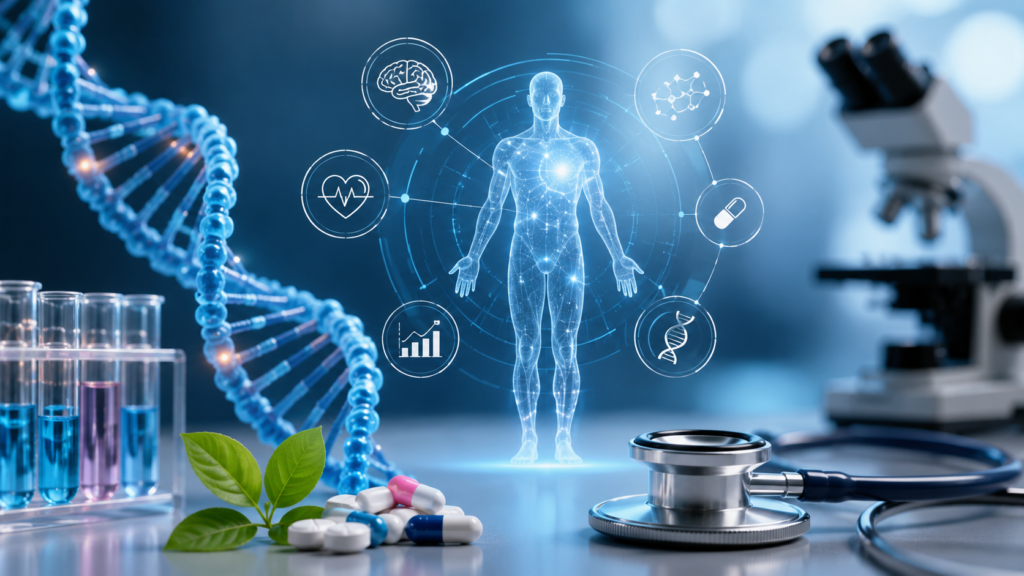
Personalized Medicine and Biomarkers: The Future of Prevention

Home / Blog / May 20, 2026 Science & Research A science-based look at how personalized medicine and biomarkers are transforming prevention helping detect health risks earlier, guide smarter decisions, and move healthcare from reactive treatment to proactive, individualized care. Dr. Suleiman Atieh Founder Dr. Suleiman Atieh is a pharmacist and founder of إلَيَّ, with a strong passion for healthcare marketing, brand strategy, and business development. He focuses on building meaningful healthcare brands that connect science, market needs, and modern communication. Reviewed by Celine Abdallah Last updated: May 20, 2026 Table of Contents This article is for educational purposes only and is not a substitute for professional medical advice. Introduction: From Treating Disease to Predicting Risk For decades, healthcare has often followed a reactive model: symptoms appear, diagnosis begins, and treatment starts. But modern science is moving toward a more powerful question: what if we could detect risk before disease fully develops? This is where personalized medicine and biomarkers are changing the future of healthcare. Instead of giving everyone the same general recommendations, personalized medicine considers each person’s unique biology, lifestyle, environment, and health data. The goal is not only to treat disease more accurately, but to prevent it earlier and manage health more intelligently. The NIH describes precision medicine as an approach that takes into account individual differences in genes, environments, and lifestyles. What Is Personalized Medicine? Personalized medicine, also known as precision medicine, is based on a simple but powerful idea: people are biologically different, so healthcare should become more individualized. In traditional medicine, many prevention and treatment strategies are designed for the “average” patient. Personalized medicine moves beyond that model by asking what is most likely to work for a specific person based on their risk profile, genetics, lifestyle, and environment. MedlinePlus explains that precision medicine uses a person’s genetics, environment, and lifestyle to help select prevention or treatment strategies that may work best for them. This means healthcare is shifting from a general question “What works for most people?” to a more precise question: “What is the right prevention plan for this person?” What Are Biomarkers? A biomarker is a measurable sign that gives information about what is happening inside the body. It may reflect a normal biological process, a disease process, or the body’s response to an exposure or treatment. The FDA defines a biomarker as a characteristic that is measured as an indicator of biological processes, disease processes, or responses to an exposure or intervention. Biomarkers can include blood markers such as glucose, cholesterol, inflammatory markers, hormones, or vitamin levels. They can also include genetic markers, imaging findings, heart rhythm patterns, blood pressure trends, sleep data, or glucose readings from digital health devices. In simple words, biomarkers are like signals from the body. They help doctors and researchers understand what may be happening before symptoms become obvious. Why Biomarkers Matter for Prevention The future of prevention is not only about telling everyone to eat better, move more, sleep well, and reduce stress. These habits matter, but personalized prevention goes deeper. It asks: which risk matters most for this person right now? For example, one person may need earlier cholesterol monitoring because of family history. Another may need closer blood sugar tracking because of metabolic risk. Someone else may benefit from genetic counseling or more personalized cancer screening based on inherited risk. The CDC explains that genes, behaviors, and environment all affect health, and that precision health aims to measure these factors and act on them to improve disease prediction and prevention. This is the real value of biomarkers. They help healthcare move from late reaction to early action. The Rise of Digital Biomarkers One of the most exciting parts of this field is the rise of digital biomarkers. These are health-related signals collected through technology such as smartwatches, fitness trackers, mobile apps, glucose monitors, and connected medical devices. Digital biomarkers may include sleep patterns, heart rate changes, activity levels, heart rhythm alerts, blood pressure trends, or glucose fluctuations. These tools can create a more continuous picture of health, instead of relying only on occasional clinic visits. However, digital tools should not replace medical care. They are useful when they support better awareness, earlier discussion, and more informed decisions with healthcare professionals. A smartwatch alert, for example, is not a diagnosis. But it may be a signal worth checking. Personalized Prevention in Real Life Personalized prevention is already appearing in several areas of healthcare. In genetics, family history and genetic testing can help identify people who may need earlier screening or closer monitoring. The CDC highlights examples such as inherited risks related to certain cancers and familial hypercholesterolemia. In pharmacogenomics, genetic information can sometimes help guide how a person may respond to a medication. This supports the broader goal of choosing the right treatment, at the right dose, for the right patient. In oncology, biomarkers are already helping classify cancers more precisely and guide treatment decisions. Instead of treating every cancer only by its location in the body, researchers increasingly study the molecular characteristics of the tumor. In metabolic health, markers such as glucose, insulin resistance indicators, cholesterol, inflammation, and body composition trends can help detect early changes before disease becomes advanced. In daily wellness, wearable devices and home health tools can help people become more aware of sleep, activity, stress, and cardiovascular patterns. Together, these tools are creating a more detailed map of health. From One-Size-Fits-All to Right Time, Right Person The strongest promise of personalized medicine is not that every person needs advanced testing. The real promise is that prevention can become more targeted, more timely, and more meaningful. Instead of asking everyone to follow the exact same prevention schedule, future healthcare may ask better questions: Who needs screening earlier? Who needs more frequent monitoring? Who has a silent risk that is rising? Who may respond better to one lifestyle or medical intervention than another? Who needs prevention before symptoms begin? This is the shift from general prevention to precision prevention. The

Motherhood

Matrescence Explained: Identity Shift No One Prepares Mothers For

Home / Blog / May 20, 2026 Motherhood Matrescence is the emotional, physical, and identity shift women experience when becoming mothers. This blog explores why motherhood can feel overwhelming, how the mental load affects mothers, and why modern motherhood needs more support, compassion, and honest conversation. Dr. Suleiman Atieh Founder Dr. Suleiman Atieh is a pharmacist and founder of إلَيَّ, with a strong passion for healthcare marketing, brand strategy, and business development. He focuses on building meaningful healthcare brands that connect science, market needs, and modern communication. Reviewed by Celine Abdallah Last updated: May 20, 2026 Table of Contents This article is for educational purposes only and is not a substitute for professional medical advice. Introduction Motherhood is often described as beautiful, magical, and life-changing. And it is. But what many women are not prepared for is how deeply motherhood can change the way they see themselves. One day, a woman has her own rhythm, body, ambitions, friendships, habits, and identity. Then suddenly, she becomes responsible for another life. Her schedule changes. Her body changes. Her emotions change. Her relationships shift. Even the way she thinks about herself may feel unfamiliar. This transformation has a name: matrescence. Matrescence is the transition into motherhood. It includes the emotional, physical, psychological, social, and identity changes a woman may experience when becoming a mother. Researchers describe it as a major developmental transition, involving psychological, cultural, social, and existential changes. And in 2026, this topic is becoming more important than ever because mothers are no longer accepting the idea that they must silently “bounce back.” They are asking for language, support, and understanding. What Is Matrescence? Matrescence is often compared to adolescence. During adolescence, a person moves from childhood into adulthood. The body changes, emotions become intense, identity evolves, and relationships shift. Society understands that teenagers are going through a major transition. Matrescence is similar, but it happens when a woman becomes a mother. It is not only about having a baby. It is about becoming someone new while still trying to hold onto who you were before. A mother may ask herself: “Who am I now?” “Why do I feel different?” “Why do I love my baby but miss my old life?” “Why am I tired even when I am not physically doing much?” “Why does everyone focus on the baby, but no one asks how I am becoming?” These questions do not make a mother ungrateful. They make her human. Why Motherhood Can Feel Emotionally Heavy Many people assume that once a baby is born, the mother should naturally know what to do and feel happy all the time. But motherhood is not only instinct. It is also adaptation. A new mother may be recovering physically, sleeping less, feeding her baby, managing visitors, worrying about every small detail, and trying to understand her new role. At the same time, she may feel pressure to look good, stay calm, return to work, keep the house organized, maintain relationships, and be emotionally available for everyone. This creates what many mothers call the mental load of motherhood. The mental load is not just about tasks. It is about remembering, planning, anticipating, and carrying invisible responsibility. Research on motherhood and cognition suggests that the increased responsibilities of motherhood create a higher cognitive load, especially during the postpartum period. This is why many mothers feel exhausted even when they cannot explain exactly what they did all day. The Pressure to “Bounce Back” One of the most harmful messages mothers receive is the pressure to “bounce back.” Bounce back to your body. Bounce back to work. Bounce back to your routine. Bounce back to your old self. But motherhood is not something a woman simply returns from. It is something she moves through. The goal should not be to become exactly who she was before. The goal should be to feel supported enough to become who she is now. A mother is not failing because she changed. She is adapting to one of the biggest transitions of her life. The Identity Shift No One Talks About Before motherhood, a woman may define herself through her career, friendships, lifestyle, independence, beauty, creativity, or personal goals. After becoming a mother, her identity may feel divided. She may love being a mother but miss her freedom. She may feel grateful but overwhelmed. She may feel strong but also emotionally fragile. She may want time alone but feel guilty for needing it. This emotional contradiction is one of the most misunderstood parts of motherhood. Matrescence helps normalize this experience. It gives mothers permission to understand that mixed emotions can exist together. A mother can love her child deeply and still miss parts of her old life. She can feel blessed and still need help. She can be strong and still need rest. Postpartum Care Should Not End After Birth For many years, postpartum care was treated like a short recovery phase. But modern maternal health conversations are shifting toward the idea that postpartum support should be ongoing, not limited to one checkup. The American College of Obstetricians and Gynecologists recommends that postpartum care should be an ongoing process, with contact within the first three weeks after birth and continued individualized support. This matters because the mother’s health is not only physical. Her emotional wellbeing, sleep, confidence, relationships, and support system all matter too. A healthy baby needs a supported mother. How Mothers Can Support Themselves During Matrescence Matrescence cannot be avoided, but it can be supported. Mothers do not need perfection. They need care, understanding, and space to adjust. 1. Name What You Are Experiencing Sometimes, having the right word makes the experience feel less lonely. Instead of thinking, “Something is wrong with me,” a mother can say, “I am going through matrescence.” This shift can reduce guilt and bring more compassion. 2. Stop Measuring Yourself Against the Old Version of You The old version of you had a different life, different responsibilities, and different energy. You are not behind. You

Fitness for Longevity
Fitness

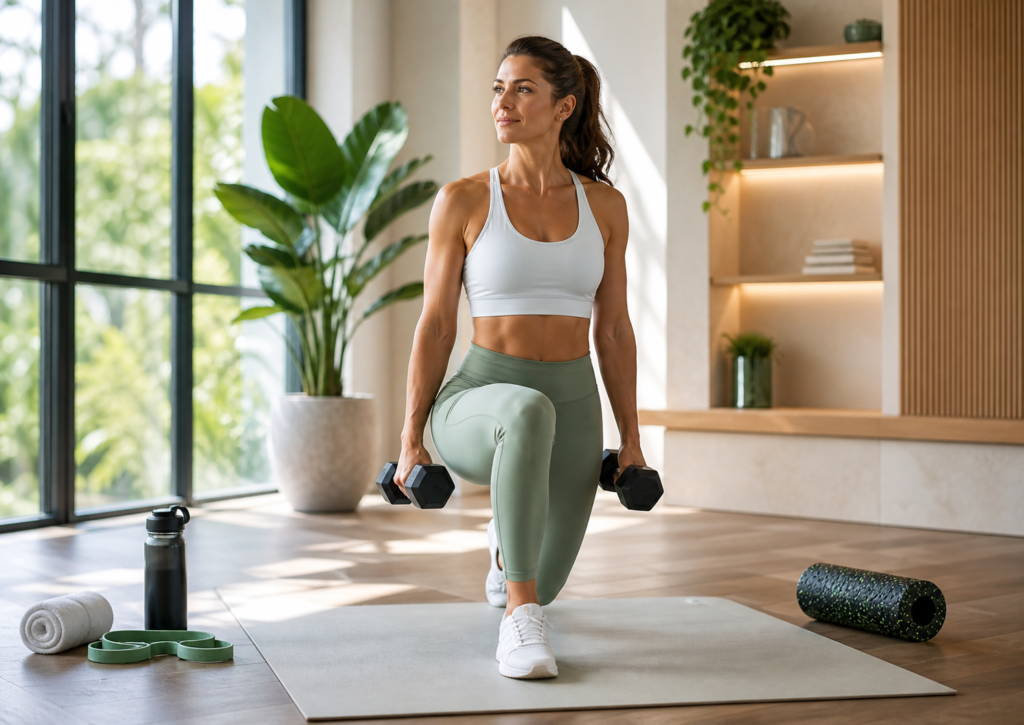
Fitness for Longevity: How Strength & Recovery Support a Healthier Life

Home / Blog / May 17, 2026 Fitness & Lifestyle A modern fitness guide exploring how the 2026 wellness trend is shifting from extreme workouts to smarter, longevity-focused training. The blog explains how strength, mobility, balance, recovery, and daily movement can help build a healthier, stronger, and more sustainable lifestyle. Dr. Suleiman Atieh Founder Dr. Suleiman Atieh is a pharmacist and founder of إلَيَّ, with a strong passion for healthcare marketing, brand strategy, and business development. He focuses on building meaningful healthcare brands that connect science, market needs, and modern communication. Reviewed by Celine Abdallah Last updated: May 17, 2026 Table of Contents This article is for educational purposes only and is not a substitute for professional medical advice. Introduction Fitness is changing. For years, the fitness world was dominated by extreme workouts, transformation challenges, intense calorie-burning routines, and the idea that more exercise always means better results. But in 2026, the trend is shifting toward something smarter, more sustainable, and more connected to long-term health: fitness for longevity. Instead of asking, “How fast can I transform my body?” more people are asking, “How can I stay strong, mobile, energetic, and healthy for years to come?” This new approach focuses on building a body that does not only look fit, but also moves well, recovers well, supports daily life, and protects long-term health. According to the American College of Sports Medicine, major 2026 fitness trends include wearable technology, fitness programs for older adults, mobile exercise apps, and balance, flow, and core strength all pointing toward a more health-focused fitness culture. What Is Fitness for Longevity? Fitness for longevity is an approach to exercise that focuses on long-term physical health, not quick results. It combines strength training, cardiovascular movement, mobility work, balance, flexibility, recovery, and consistency. The goal is not to train harder every day. The goal is to train in a way that helps the body stay capable for life. This includes being able to walk comfortably, climb stairs, carry groceries, maintain posture, protect joints, support heart health, preserve muscle, reduce stiffness, and recover properly between workouts. In simple words, longevity fitness is about building a body that can support your life — not just your mirror. Why Extreme Workouts Are Losing Their Appeal Extreme workouts can feel exciting, but they are not always sustainable. Many people start strong, push too hard, feel exhausted, and then stop completely. This cycle creates frustration and can make fitness feel like punishment. The new generation of fitness is more balanced. People want workouts that fit into real life, improve energy, reduce stress, and support both physical and mental well-being. That is why low-impact workouts, strength training, Pilates, walking, mobility routines, recovery sessions, and wearable-guided training are becoming more popular. NASM’s 2026 fitness trend outlook also highlights longevity strength, recovery, inclusivity, hybrid training, AI tools, and wearables as important directions in the fitness industry. The 5 Pillars of Longevity Fitness 1. Strength Training: The Foundation of Healthy Aging Strength training is one of the most important parts of fitness for longevity. It helps maintain muscle, supports joints, improves posture, protects bone health, and makes everyday movements easier. This does not mean you need to lift heavy weights every day. Strength training can include dumbbells, resistance bands, machines, bodyweight exercises, or functional movements such as squats, lunges, rows, and push movements. The World Health Organization recommends muscle-strengthening activities involving major muscle groups on two or more days per week for adults.   A simple strength routine can include: Squats or sit-to-stand movements Glute bridges Rows Wall push-ups or push-ups Deadlifts with light weights Core stability exercises The key is consistency, control, and safe progression. 2. Mobility: Moving Better, Not Just More Mobility is the ability to move your joints through a healthy range of motion with control. It is different from flexibility. Flexibility is about muscle length, while mobility is about movement quality. Mobility training helps reduce stiffness, improve posture, support better exercise technique, and make daily movement feel easier. Examples of mobility exercises include hip circles, shoulder rotations, ankle mobility drills, cat-cow stretches, thoracic spine rotations, and controlled deep breathing movements. For people who sit for long hours, mobility is especially important. It helps counter the effects of desk work, phone posture, and low daily movement.   3. Balance and Core Strength: The Underrated Fitness Trend Balance and core training are becoming more important because they improve stability, coordination, and movement control. ACSM listed “Balance, Flow and Core Strength” among the top fitness trends for 2026, showing that the industry is moving beyond simple aesthetics and toward functional movement. Core strength is not just about abs. It includes the muscles that support the spine, pelvis, posture, and movement. A strong core helps you lift, walk, rotate, and exercise with better control. Simple balance and core exercises include: Standing on one leg Bird-dog exercise Dead bug exercise Side plank Farmer’s carry Slow controlled lunges These exercises may look simple, but they are powerful for long-term body control.   4. Cardio for Heart Health and Energy Cardio is still important, but the way people approach it is changing. It does not always have to be intense running or exhausting HIIT sessions. Brisk walking, cycling, swimming, dancing, hiking, or low-impact cardio can all support heart health and endurance. The CDC recommends adults get either 150 minutes of moderate-intensity aerobic activity per week, 75 minutes of vigorous activity, or an equivalent combination, along with strength training on two or more days per week. For many people, walking is one of the easiest ways to start. It is accessible, low-impact, and easy to maintain. A daily walk can support cardiovascular fitness, mood, energy, and general wellness.   5. Recovery: The Missing Piece of Progress Recovery is no longer seen as laziness. It is now recognized as an essential part of fitness. When you exercise, your body needs time to adapt. Without enough recovery, people may feel constantly tired, sore, unmotivated, or at higher risk of poor performance. Recovery

Magnesium and Herbal Adaptogens
Herbals & Natural Health

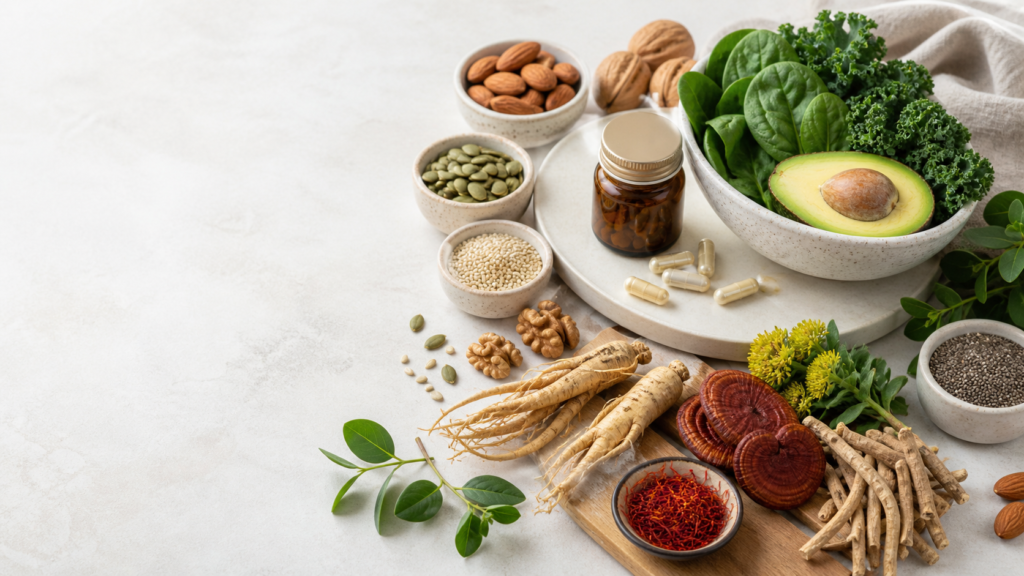
Why Magnesium and Herbal Adaptogens Are Trending in 2026

Home / Blog / May 17, 2026 Herbals & Natural Health Discover how magnesium, adaptogenic herbs, and vitamin B support modern wellness, stress balance, better sleep, and daily energy. Dr. Suleiman Atieh Founder Dr. Suleiman Atieh is a pharmacist and founder of إلَيَّ, with a strong passion for healthcare marketing, brand strategy, and business development. He focuses on building meaningful healthcare brands that connect science, market needs, and modern communication. Reviewed by Celine Abdallah Last updated: May 17, 2026 Table of Contents This article is for educational purposes only and is not a substitute for professional medical advice. Introduction Modern wellness is changing. People are no longer looking only for a basic multivitamin or a single herbal product. Today, many are searching for smarter daily support that fits real lifestyle needs: stress, low energy, poor sleep, mental fatigue, and busy routines. That is why the combination of magnesium, adaptogenic herbs, and vitamin B has become one of the most interesting topics in the vitamins and herbs space. It brings together three wellness categories that are strongly connected to how the body manages energy, nervous system function, and daily balance. This does not mean that one supplement can solve everything. But understanding how these nutrients and herbs work can help people make better choices for their daily wellness routine. Why Stress, Sleep, and Energy Are Now Connected Wellness Goals Stress, sleep, and energy are often treated as separate issues. In reality, they are closely connected. When sleep quality is poor, energy drops. When stress levels are high, the body may feel mentally and physically drained. When daily nutrition is not balanced, the nervous system and energy metabolism may not perform at their best. This is one reason many people are now interested in supplements that support the body from more than one direction. Instead of looking only for “energy boosters,” they are looking for nutrients and herbs that may support calmness, rest, focus, and sustainable vitality. Magnesium: The Mineral Behind Calm, Muscles, and Daily Function Magnesium is an essential mineral involved in many important functions in the body. According to the NIH Office of Dietary Supplements, magnesium plays a role in more than 300 enzyme systems, including processes related to muscle and nerve function, blood glucose control, blood pressure regulation, and energy production. In wellness, magnesium is often discussed for its connection to relaxation, muscle comfort, and sleep routines. While it should not be positioned as a cure for sleep problems or stress, magnesium is important for normal nervous system and muscle function. Common food sources of magnesium include nuts, seeds, legumes, whole grains, and leafy green vegetables. For people who do not get enough magnesium from food, supplements may be considered, but the right form and dose should depend on individual needs. Why magnesium is trending Magnesium is popular because it fits several modern wellness needs: Stress and relaxation support Muscle function Sleep routine support Energy metabolism Women’s wellness and active lifestyles It is also widely recognized, easy to understand, and familiar to many consumers, which makes it a strong topic for vitamin and herbal blogs. Adaptogens: Herbal Support for Modern Stress Adaptogens are herbs traditionally used to help the body adapt to stress and support resilience. They are not magic ingredients, and their effects can vary depending on the person, the extract, the dose, and the quality of the product. Some of the most popular adaptogenic herbs include: Ashwagandha Ashwagandha is one of the most trending herbs in the wellness market. The National Center for Complementary and Integrative Health notes that some ashwagandha preparations may be helpful for stress and insomnia, although evidence for anxiety is still unclear. Rhodiola Rhodiola is often associated with fatigue, stress resilience, and mental performance. NCCIH states that rhodiola is possibly safe for up to 12 weeks, but side effects may include dizziness, headache, insomnia, or dry mouth, and safety during pregnancy or breastfeeding is not well known. Ginseng Ginseng is commonly used in traditional wellness practices for energy and vitality. It is often positioned for people who want natural support for performance and daily stamina. Saffron Saffron is gaining attention in mood and emotional wellness supplements. It is often used in premium formulations because of its strong consumer appeal and botanical positioning. Reishi mushroom Reishi is often included in calm, immune, and nighttime wellness formulas. It is popular in the “functional mushroom” trend.   Vitamin B: The Energy and Nervous System Support Family Vitamin B is not one single vitamin. It is a family of water-soluble vitamins that support different functions in the body. B vitamins are especially known for their role in energy metabolism and nervous system health. Vitamin B12, for example, helps keep nerve and blood cells healthy and supports DNA production. Vitamin B12 deficiency may cause symptoms such as fatigue, neurological changes, and megaloblastic anemia. This is why B vitamins are commonly included in formulas for energy, focus, fatigue support, and daily wellness. However, it is important to communicate clearly: B vitamins support normal energy metabolism, but they are not stimulants like caffeine.   Common B vitamins used in wellness products Vitamin B1 supports carbohydrate metabolism and nervous system function. Vitamin B2 supports energy production and cellular function. Vitamin B3 is involved in metabolism and cellular energy pathways. Vitamin B6 contributes to normal nervous system function and may be included in mood and hormonal wellness formulas. Folate supports cell division and is especially important in women’s health. Vitamin B12 supports nerve health, red blood cell formation, and energy-related functions. Why the Trio Works Well Together as a Wellness Concept The combination of magnesium, adaptogens, and vitamin B is attractive because each category has a different role. Magnesium supports normal nerve and muscle function. Adaptogens provide herbal support for stress resilience and balance. Vitamin B supports normal energy metabolism and nervous system function. Together, they create a strong wellness story: calm energy. This is important because many people do not want to feel overstimulated. They want to feel productive, focused,

High Protein Nutrition
Nutrition & Vitamins

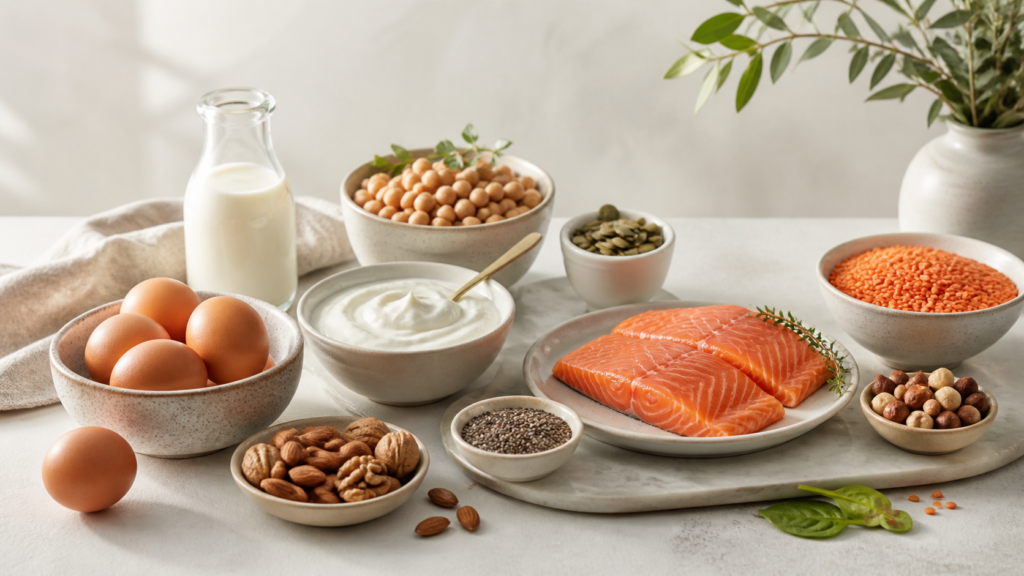
High Protein Nutrition Beyond the Gym: Why Protein Matters

Home / Blog / May 16, 2026 Nutrition & Vitamins For years, protein was marketed mainly to athletes, bodybuilders, and gym-goers. Today, that has changed. High-protein nutrition has moved into the mainstream because protein plays an important role in daily health, not just sports performance. It helps build and maintain body tissues, supports muscle health, and can contribute to fullness and better meal balance.   Dr. Suleiman Atieh Founder Dr. Suleiman Atieh is a pharmacist and founder of إلَيَّ, with a strong passion for healthcare marketing, brand strategy, and business development. He focuses on building meaningful healthcare brands that connect science, market needs, and modern communication. Reviewed by Celine Abdallah Last updated: March 20, 2026 Table of Contents This article is for educational purposes only and is not a substitute for professional medical advice. Why protein matters beyond fitness The reason protein is trending outside fitness culture is simple: people want food that does more than just fill a plate. They want meals that support energy, fullness, healthy aging, and practical nutrition habits. Current dietary guidance also emphasizes including a variety of protein foods from both animal and plant sources as part of an overall healthy eating pattern. High-protein eating is no longer about chasing a bodybuilding goal. It is now part of a broader lifestyle conversation around feeling better, eating smarter, and supporting health over time. What protein does in the body Protein provides amino acids, including the essential amino acids the body cannot make on its own. These amino acids are needed to build and maintain muscles, skin, and other tissues, and they also support many vital body functions. This matters whether someone exercises regularly or not. The body constantly repairs and renews itself, so protein remains important even in a normal day-to-day routine. Benefits of protein for everyday health 1. It can help you feel fuller Protein generally increases satiety more than carbohydrate or fat, which is one reason it is often discussed in weight-management and appetite-control strategies. 2. It supports muscle maintenance, not just muscle gain Muscle health is important for movement, strength, and physical function throughout life. Research on aging adults shows protein intake is closely linked to preserving muscle mass, and some reviews suggest older adults may benefit from intakes above the basic adult RDA, depending on health status and clinical guidance. 3. It fits healthy aging goals As we age, maintaining muscle and function becomes increasingly important. Reviews on older populations note that adequate protein intake can help support musculoskeletal health and reduce the risk of sarcopenia. 4. It can improve meal quality Protein-rich foods often come packaged with other valuable nutrients, especially when they come from minimally processed sources like eggs, dairy, legumes, fish, soy foods, nuts, and seeds. U.S. dietary guidance encourages variety across these sources rather than relying on a single type of protein food. Highlight box Why this matters: Protein is no longer a niche sports topic. It is now a practical nutrition topic linked to satiety, muscle maintenance, meal balance, and healthy aging. Best everyday protein sources A strong protein routine does not have to depend on sports supplements. For most people, everyday foods can do the job well. Good options include: Eggs Greek yogurt Milk and cheese Chicken and fish Beans and lentils Chickpeas Tofu and soy foods Nuts and seeds Nutrition guidance also supports including both plant and animal protein sources in a balanced pattern. Simple ways to add more protein Start with breakfast A protein-containing breakfast such as eggs, Greek yogurt, or milk with oats may help support fullness earlier in the day. Evidence on higher-protein meals suggests better appetite control compared with lower-protein patterns. Balance your snacks Choosing yogurt, nuts, cheese, roasted chickpeas, or other protein-containing snacks can make daily eating more satisfying. Include protein in each main meal Spreading protein across the day may be a more practical approach than leaving most of it for dinner, especially when the goal is satiety and muscle support. Keep it realistic You do not need to eat like an athlete to benefit from protein. The goal is simply to make protein a regular part of balanced meals. Is more always better? Not necessarily. Protein is essential, but balance still matters. The American Heart Association notes the adult RDA is 0.8 g/kg/day, while actual needs can vary by age, health status, and life stage. Some people, especially those with certain medical conditions, should get individualized advice before making major changes to protein intake. A smart approach is to focus on quality, variety, and consistency rather than chasing extremes. Final thoughts Protein is important for everyone, not just athletes. It supports satiety, muscle maintenance, and overall meal quality. Everyday protein can come from both animal and plant foods. Protein becomes especially important in the context of healthy aging. A balanced, realistic routine matters more than extreme intake. FAQ FAQ 1: Is protein only important for athletes? No. Protein is essential for everyone because it helps support muscle maintenance, tissue repair, immune function, and overall daily wellness.   FAQ 2: Can high-protein nutrition help with weight management? Protein may help increase satiety, which can support better appetite control and more balanced eating habits throughout the day.   FAQ 3: What are easy ways to eat more protein? Simple options include eggs, Greek yogurt, milk, cheese, chicken, fish, lentils, beans, chickpeas, tofu, nuts, and seeds.   FAQ 4: Are plant-based proteins good enough? Yes. Plant-based proteins such as lentils, beans, chickpeas, tofu, tempeh, quinoa, nuts, and seeds can be excellent for a balanced diet, especially when eaten in variety. References National Library of Medicine. (n.d.). Dietary proteins. https://medlineplus.gov/dietaryproteins.html? National Academies Press (US). (1989). Protein. Diet and Health – NCBI Bookshelf. https://www.ncbi.nlm.nih.gov/books/NBK218739/? American Heart Association. (2024, August 28). Protein: What’s Enough? www.heart.org. https://www.heart.org/en/healthy-living/healthy-eating/eat-smart/nutrition-basics/protein-and-heart-health? Proteins | Nutrition.gov. (n.d.). https://www.nutrition.gov/topics/whats-food/proteins? Dietary Guidelines for Americans | Food and Nutrition Service. (n.d.). https://www.fns.usda.gov/cnpp/dietary-guidelines-americans? Paddon-Jones D, Westman E, Mattes RD, Wolfe RR, Astrup A, Westerterp-Plantenga M. Protein, weight management, and satiety. Am J Clin Nutr. 2008

Scroll to Top