

الطب الشخصي والمؤشرات الحيوية: مستقبل الوقاية قبل المرض
- مايو 20, 2026
- العلوم والبحث
نظرة علمية على دور الطب الشخصي والمؤشرات الحيوية في تغيير مفهوم الوقاية، من خلال المساعدة على اكتشاف المخاطر الصحية مبكرًا، توجيه قرارات صحية أذكى، ونقل الرعاية الصحية من العلاج التفاعلي بعد ظهور المرض إلى رعاية استباقية، فردية، وأكثر دقة.

Dr. Suleiman Atieh
Founder
Dr. Suleiman Atieh is a pharmacist and founder of إلَيَّ, with a strong passion for healthcare marketing, brand strategy, and business development. He focuses on building meaningful healthcare brands that connect science, market needs, and modern communication.
Reviewed by Celine Abdallah
Last updated: May 20, 2026
Table of Contents
هذا المقال لأغراض تثقيفية فقط، ولا يُعد بديلًا عن الاستشارة الطبية المتخصصة.
المقدمة
لفترة طويلة، كان الطب يعتمد على نهج واحد يناسب الجميع. نفس الفحص، نفس النصيحة، ونفس العلاج قد يُقدَّم لأشخاص مختلفين جدًا في الجينات، نمط الحياة، التاريخ العائلي، البيئة، والمخاطر الصحية.
لكن هذا المفهوم بدأ يتغير.
اليوم، يتجه العالم نحو مفهوم أكثر دقة وذكاءً: الطب الشخصي. وهو نهج صحي يعتمد على فهم الفرد بشكل أعمق، بدلًا من التعامل مع الجميع بنفس الطريقة. لا يركز الطب الشخصي فقط على علاج المرض بعد ظهوره، بل يفتح الباب أمام مستقبل جديد في الوقاية: اكتشاف المخاطر مبكرًا، فهم الإشارات الحيوية للجسم، وبناء خطة صحية أكثر ملاءمة لكل شخص.
وفي قلب هذا التحول تأتي المؤشرات الحيوية.
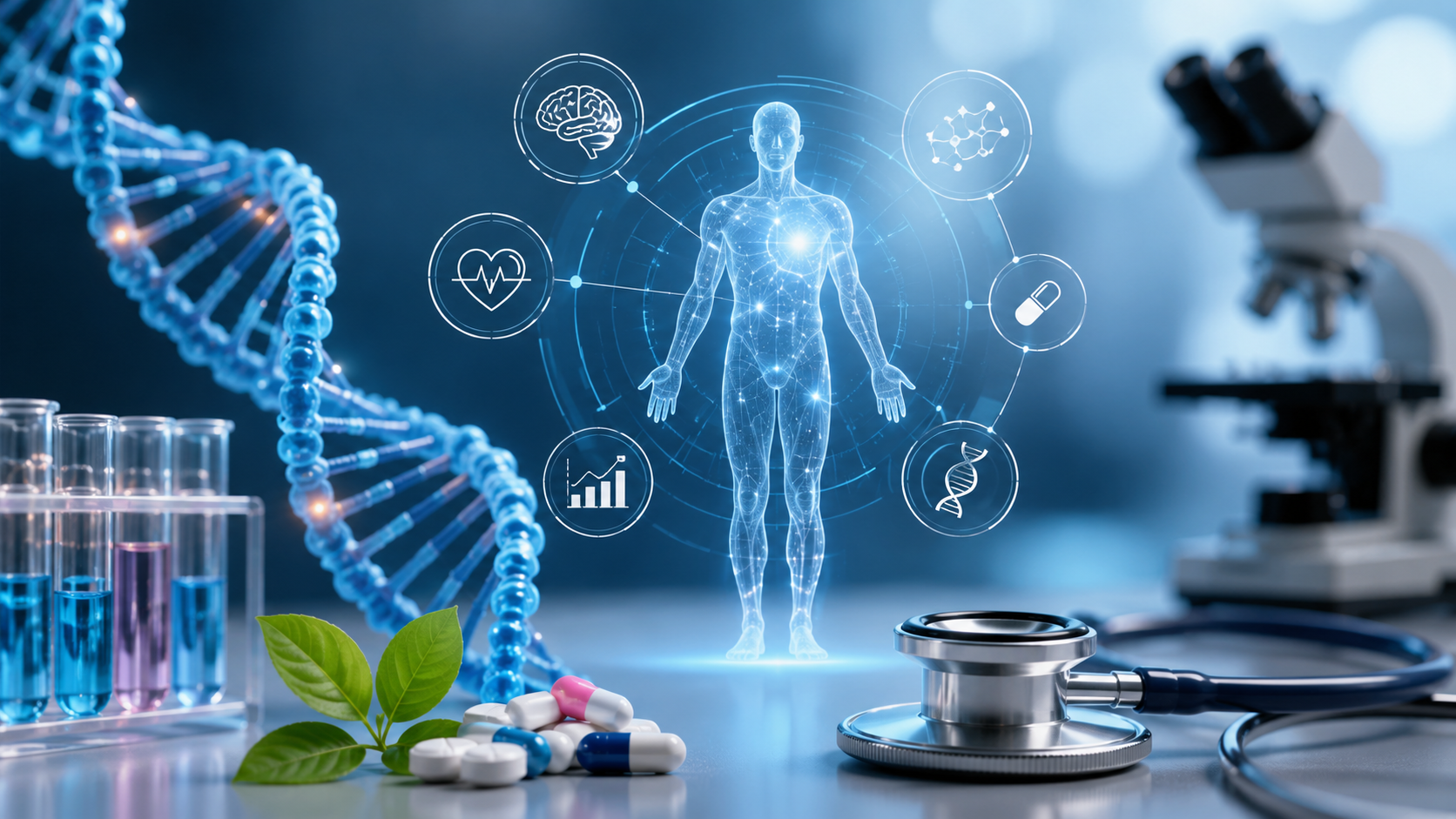
المؤشرات الحيوية قد تكون تحاليل دم، علامات جينية، قياسات هرمونية، مؤشرات التهابية، أو إشارات بيولوجية تساعد على فهم ما يحدث داخل الجسم. ومع تطور التكنولوجيا، الذكاء الاصطناعي، والطب الجيني، أصبحت هذه المؤشرات جزءًا مهمًا من مستقبل الوقاية والصحة طويلة المدى.
ما هو الطب الشخصي؟
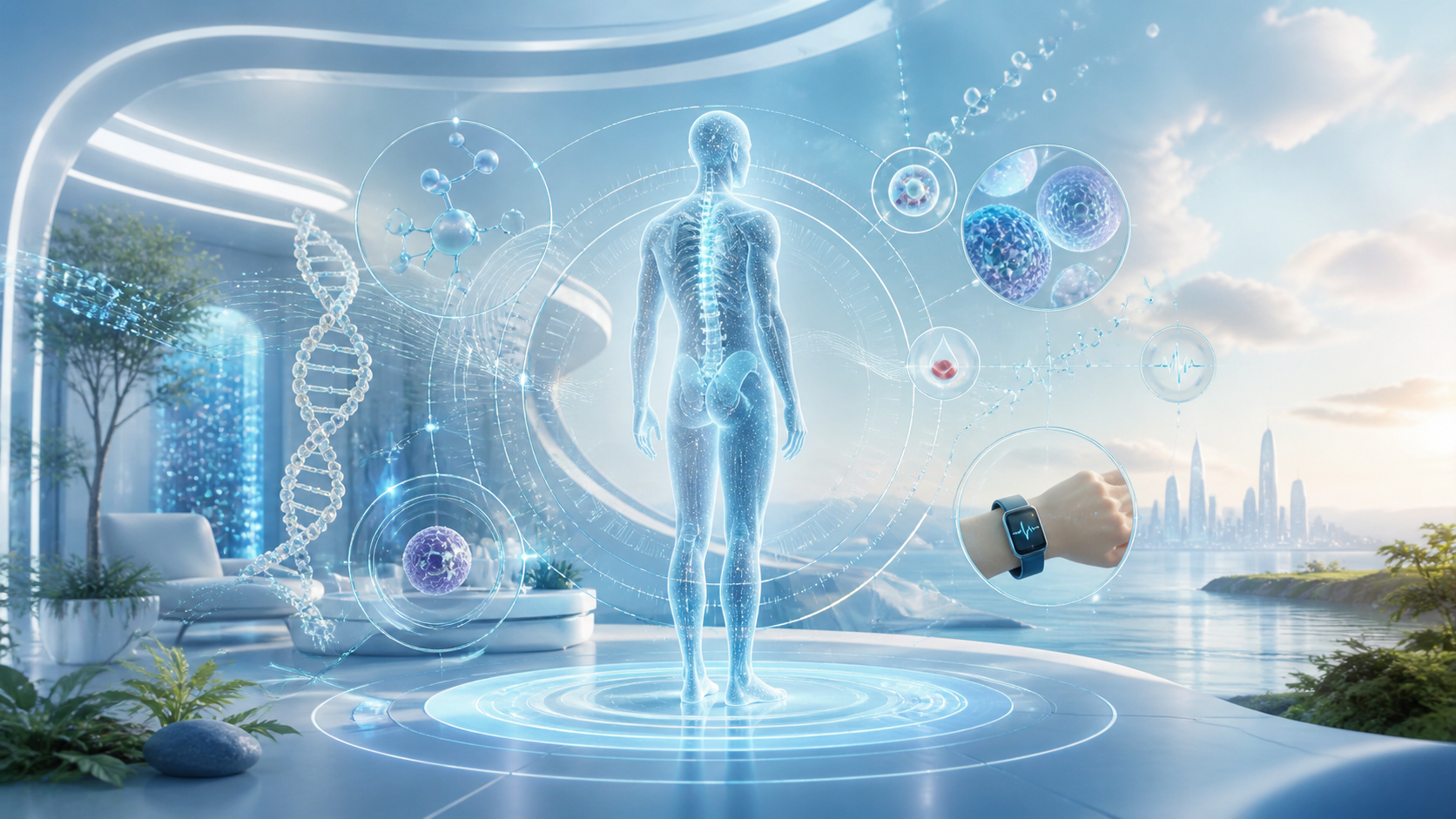
الطب الشخصي هو نهج في الرعاية الصحية يهدف إلى تخصيص الوقاية، التشخيص، والعلاج بناءً على خصائص الفرد. هذه الخصائص قد تشمل الجينات، التاريخ العائلي، العمر، الجنس، نمط الحياة، البيئة، نتائج الفحوصات، والاستجابة السابقة للعلاجات.
بدلًا من سؤال:
“ما العلاج المناسب لهذا المرض؟”
يطرح الطب الشخصي سؤالًا أعمق:
“ما الخيار الأنسب لهذا الشخص تحديدًا؟”
هذا لا يعني أن الطب التقليدي لم يعد مهمًا. بل يعني أن الرعاية الصحية أصبحت أكثر قدرة على فهم الفروقات الفردية بين الناس، واستخدامها لاتخاذ قرارات أدق.
لماذا أصبح الطب الشخصي مهمًا الآن؟
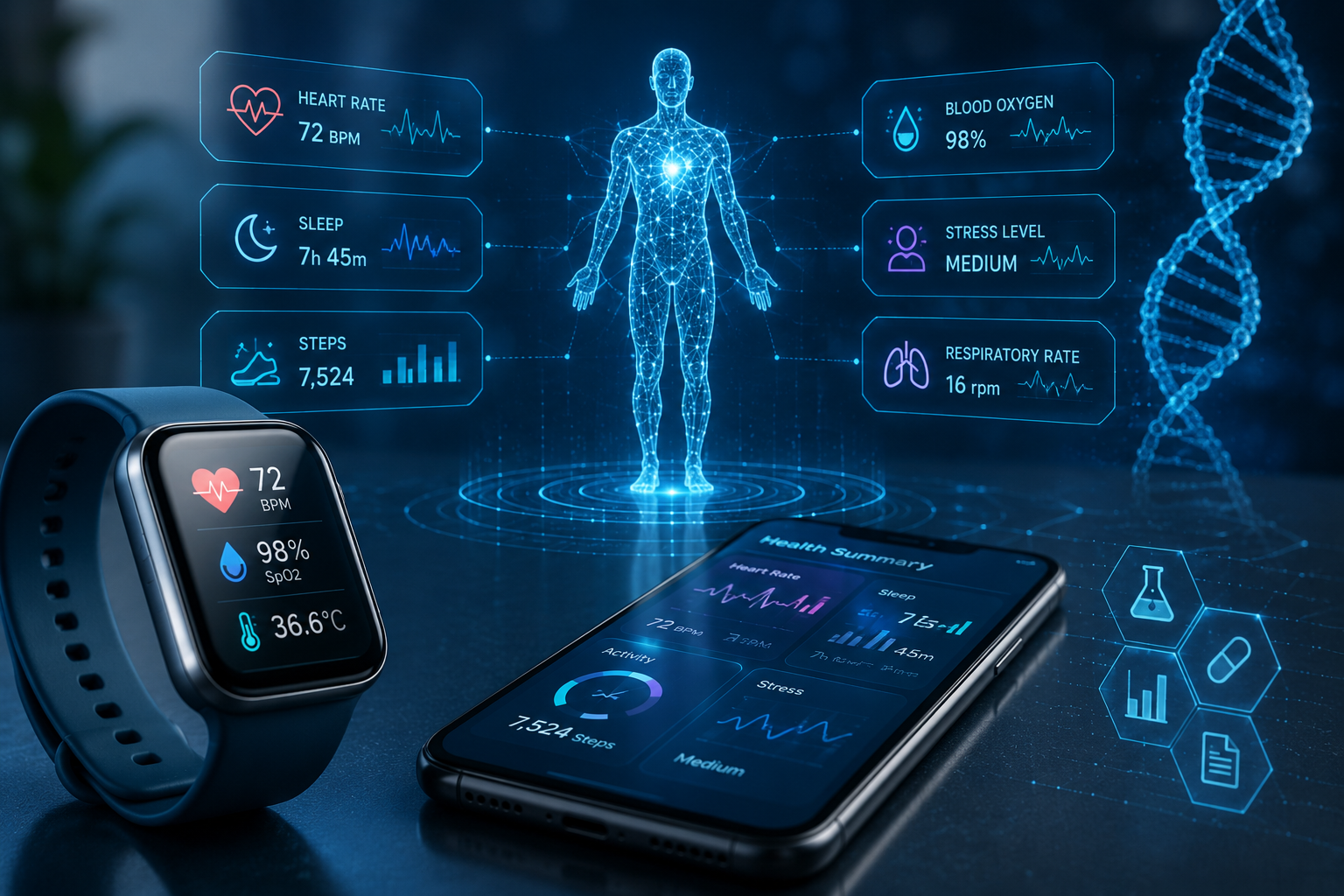
أصبح الطب الشخصي أكثر أهمية لأننا نعيش في وقت تتوفر فيه بيانات صحية أكثر من أي وقت مضى. الفحوصات المخبرية أصبحت أكثر تقدمًا، الاختبارات الجينية أصبحت أكثر انتشارًا، والأجهزة الذكية أصبحت تساعد الناس على تتبع النوم، النشاط، نبض القلب، وسلوكياتهم الصحية اليومية.
في الماضي، كانت الوقاية تعتمد غالبًا على نصائح عامة مثل تناول الطعام الصحي، ممارسة الرياضة، وتجنب التدخين. هذه النصائح ما زالت أساسية، لكنها ليست كافية وحدها دائمًا.
اليوم، يمكن أن يساعد الطب الشخصي على فهم من يحتاج إلى فحوصات مبكرة، من لديه خطر أعلى للإصابة بحالات معينة، من قد يستجيب لعلاج معين بشكل أفضل، ومن يحتاج إلى خطة أكثر تخصيصًا في التغذية أو المتابعة أو نمط الحياة.
ما هي المؤشرات الحيوية؟
المؤشرات الحيوية هي إشارات قابلة للقياس داخل الجسم يمكن أن تعطينا فكرة عن الصحة، المرض، أو الاستجابة للعلاج. يمكن أن تكون هذه المؤشرات موجودة في الدم، البول، الأنسجة، الجينات، أو حتى من خلال صور طبية وقياسات رقمية.
من أمثلة المؤشرات الحيوية:
سكر الدم، الكوليسترول، ضغط الدم، علامات الالتهاب، مستويات الهرمونات، فيتامينات معينة، مؤشرات وظائف الكبد والكلى، الطفرات الجينية، ومؤشرات خطر بعض الأمراض.
ليست كل المؤشرات الحيوية معقدة أو جديدة. بعض المؤشرات المستخدمة يوميًا مثل ضغط الدم وسكر الدم تُعد من أكثر الأدوات الوقائية أهمية. لكن التطور الحديث جعلنا قادرين على قراءة الجسم بطرق أكثر دقة، وربط هذه القراءات بالصحة المستقبلية.
كيف تساعد المؤشرات الحيوية في الوقاية؟
الوقاية لا تعني فقط تجنب المرض بشكل عام. بل تعني فهم المخاطر قبل أن تتحول إلى مشاكل واضحة.
هنا تأتي أهمية المؤشرات الحيوية. فهي قد تساعد على اكتشاف تغيّرات مبكرة في الجسم قبل ظهور الأعراض. على سبيل المثال، ارتفاع سكر الدم أو مقاومة الإنسولين قد يظهران قبل تشخيص السكري بسنوات. ارتفاع ضغط الدم قد يحدث بصمت لفترة طويلة. بعض مؤشرات الالتهاب قد تعكس ضغطًا داخليًا على الجسم. وبعض المؤشرات الجينية قد تشير إلى قابلية أعلى للإصابة بحالات معينة.
عندما تُستخدم هذه المعلومات بشكل صحيح، يمكنها أن تساعد الشخص والطبيب على بناء خطة مبكرة، بدلًا من الانتظار حتى يظهر المرض.
من العلاج بعد المرض إلى الوقاية قبل المرض
أحد أهم التحولات في الطب الحديث هو الانتقال من نموذج “علاج المرض” إلى نموذج “إدارة المخاطر”.
في النموذج التقليدي، ينتظر النظام الصحي ظهور الأعراض، ثم يبدأ التشخيص والعلاج. أما في النموذج الوقائي الشخصي، فالهدف هو فهم عوامل الخطر مبكرًا، ومساعدة الشخص على تقليل احتمالية حدوث المشكلة أو تأخيرها أو اكتشافها في مرحلة أبكر.
هذا التحول مهم جدًا في حالات مثل أمراض القلب، السكري من النوع الثاني، بعض أنواع السرطان، هشاشة العظام، وأمراض الأيض. فكلما تم التعرف على المخاطر مبكرًا، زادت فرصة التدخل بطريقة أفضل.
الطب الجيني ودوره في المستقبل
الطب الجيني هو جزء مهم من الطب الشخصي. فهو يستخدم المعلومات الجينية لفهم قابلية الشخص للإصابة ببعض الأمراض، أو استجابته لبعض الأدوية، أو حاجته إلى متابعة صحية معينة.
لكن من المهم توضيح نقطة أساسية: الجينات ليست قدرًا نهائيًا.
وجود قابلية جينية لحالة معينة لا يعني أن الشخص سيصاب بها حتمًا. كما أن عدم وجود قابلية جينية واضحة لا يعني أن الشخص محمي تمامًا. الجينات تعمل ضمن بيئة أوسع تشمل نمط الحياة، التغذية، النوم، الحركة، التوتر، والعوامل البيئية.
لذلك، يجب استخدام المعلومات الجينية كجزء من الصورة، وليس كحكم نهائي على المستقبل الصحي.
الطب الشخصي وصحة المرأة
قد يكون الطب الشخصي مهمًا بشكل خاص لصحة المرأة، لأن صحة المرأة تتأثر بعوامل هرمونية وأيضية تتغير عبر مراحل الحياة المختلفة.
من سن المراهقة إلى سنوات الإنجاب، الحمل، ما قبل انقطاع الطمث، انقطاع الطمث، وما بعده، تختلف احتياجات الجسم ومخاطره الصحية. لذلك، قد يساعد النهج الشخصي على فهم التغيرات الهرمونية، صحة العظام، صحة القلب، الأيض، الخصوبة، النوم، والطاقة بطريقة أدق.
على سبيل المثال، قد تحتاج امرأة لديها تاريخ عائلي لأمراض القلب إلى متابعة مبكرة لعوامل الخطر. وقد تحتاج امرأة تعاني من اضطراب في الدورة أو أعراض أيضية إلى تقييم أعمق للإنسولين والهرمونات. وقد تحتاج امرأة في منتصف العمر إلى اهتمام أكبر بصحة العظام والقلب.
الطب الشخصي يساعد على رؤية المرأة كفرد كامل، وليس كمجموعة أعراض منفصلة.
دور الذكاء الاصطناعي والبيانات الصحية
مع تطور الذكاء الاصطناعي، أصبح من الممكن تحليل كميات ضخمة من البيانات الصحية بطريقة أسرع وأكثر تعقيدًا. يمكن للذكاء الاصطناعي أن يساعد في قراءة الأنماط، توقع المخاطر، تحليل الصور الطبية، وربط نتائج الفحوصات بمعلومات أخرى مثل العمر، التاريخ العائلي، ونمط الحياة.
لكن الذكاء الاصطناعي ليس بديلًا عن الطبيب. بل هو أداة داعمة يمكن أن تساعد في تحسين القرار الطبي عندما تُستخدم بشكل أخلاقي وآمن.
أهم ما يجب الانتباه له هو الخصوصية، جودة البيانات، الشفافية، وعدم الاعتماد على التقنية وحدها دون تقييم بشري متخصص.
أفكار ختامية
الطب الشخصي والمؤشرات الحيوية يمثلان تحولًا مهمًا في مستقبل الصحة. بدلًا من الانتظار حتى يظهر المرض، يمكننا استخدام المعلومات لفهم المخاطر، اكتشاف التغيرات مبكرًا، وبناء خطط وقائية أكثر ذكاءً.
لكن هذا المستقبل يحتاج إلى وعي. البيانات لا تعني الكثير بدون تفسير صحيح، والفحوصات لا تكون مفيدة إلا عندما تقود إلى قرارات صحية واضحة.
الهدف من الطب الشخصي ليس أن نعيش في قلق دائم حول صحتنا، بل أن نعيش بوعي أكبر، ونفهم أجسامنا بشكل أفضل، ونتخذ قرارات تساعدنا على الوقاية، التوازن، والحياة بجودة أعلى.
الصحة المستقبلية قد لا تكون فقط عن علاج المرض، بل عن فهم الجسم قبل أن يطلب المساعدة.
الأسئلة الشائعة
ما هو الطب الشخصي؟
الطب الشخصي هو نهج صحي يخصص الوقاية، التشخيص، والعلاج بناءً على خصائص الفرد مثل الجينات، التاريخ العائلي، نمط الحياة، نتائج الفحوصات، والمخاطر الصحية.
ما هي المؤشرات الحيوية؟
المؤشرات الحيوية هي علامات قابلة للقياس داخل الجسم، مثل سكر الدم، الكوليسترول، الهرمونات، مؤشرات الالتهاب، أو بعض العلامات الجينية، وتساعد في فهم الصحة أو المرض أو الاستجابة للعلاج.
هل الطب الشخصي يعني أن كل شخص يحتاج إلى اختبار جيني؟
لا. الاختبارات الجينية قد تكون مفيدة في بعض الحالات، لكنها ليست ضرورية للجميع. الطب الشخصي قد يعتمد أيضًا على الفحوصات العادية، التاريخ العائلي، نمط الحياة، والأعراض.
هل يمكن للمؤشرات الحيوية أن تتنبأ بالأمراض؟
قد تساعد بعض المؤشرات الحيوية على تقدير المخاطر أو اكتشاف تغيّرات مبكرة، لكنها لا تعطي دائمًا تنبؤًا مؤكدًا. يجب تفسيرها ضمن السياق الطبي الكامل.
هل الفحوصات الوقائية الكثيرة مفيدة دائمًا؟
ليس بالضرورة. الفحوصات يجب أن تكون مناسبة لحالة الشخص، عمره، تاريخه الصحي، وأعراضه. الفحص غير الضروري قد يسبب قلقًا أو نتائج مربكة.
ما مستقبل الطب الشخصي؟
المستقبل يتجه نحو رعاية أكثر دقة تعتمد على البيانات، المؤشرات الحيوية، الجينات، الذكاء الاصطناعي، ونمط الحياة، بهدف دعم الوقاية والتدخل المبكر.
References
- National Institutes of Health (NIH) — The Promise of Precision Medicine Explains precision medicine as an approach that considers differences in genes, environment, and lifestyle.
- MedlinePlus Genetics — What is precision medicine? Useful for a simple definition of precision medicine and how it supports prevention and treatment decisions.
- Centers for Disease Control and Prevention (CDC) — Precision Health: Predict and Prevent Disease Explains how genes, behaviors, and environment affect health and how precision health can improve prediction and prevention.
- U.S. Food & Drug Administration (FDA) — About Biomarkers and Qualification Provides a clear scientific definition of biomarkers and their role in health, disease, and response to treatment.
- U.S. Food & Drug Administration (FDA) — FDA Facts: Biomarkers and Surrogate Endpoints Explains biomarkers in simpler language, including examples such as blood pressure and blood sugar.
- National Human Genome Research Institute — Precision Medicine Defines precision medicine as using genomic, environmental, and lifestyle information to guide prevention, diagnosis, and treatment.
About the Author
Dr. Suleiman Atieh is a pharmacist and founder of إلَيَّ, with a strong passion for healthcare marketing, brand strategy, and business development. He focuses on building meaningful healthcare brands that connect science, market needs, and modern communication.
Dr. Suleiman Atieh
Founder