
Low-Impact Fitness: The Gentle Workout Trend
- May 23, 2026
- Fitness
Fitness is no longer only about pushing harder, sweating more, or following extreme workout routines. A new movement is taking over the wellness world: low-impact fitness.
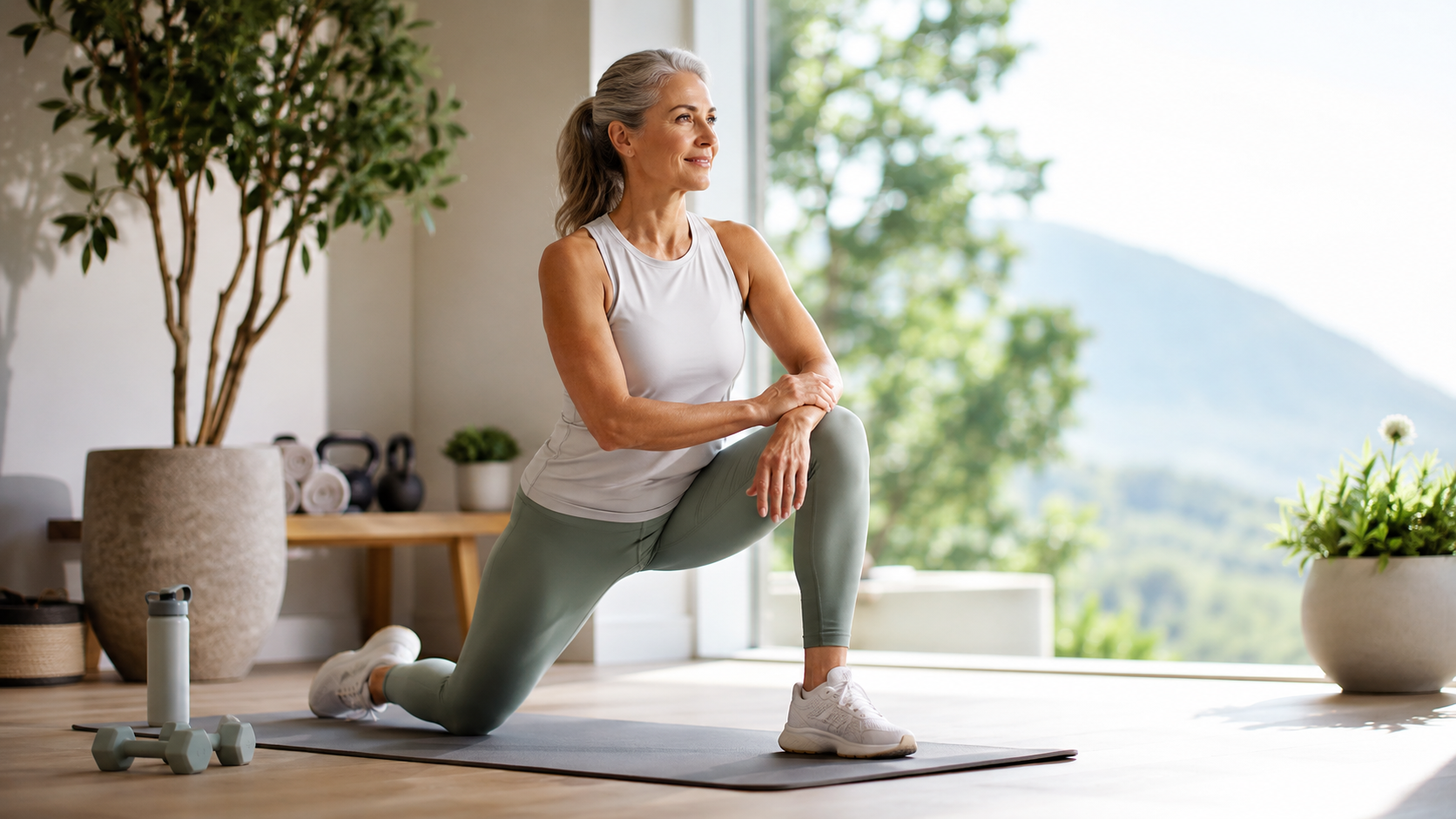
From walking and Pilates to yoga, mobility training, swimming, barre, and controlled strength workouts, low-impact fitness is becoming one of the most sustainable ways to stay active. It focuses on movement that is gentle on the joints, easier to maintain, and supportive of long-term health.
In 2026, fitness trends are clearly moving toward balance, recovery, consistency, and smarter training. The American College of Sports Medicine listed Balance, Flow and Core Strength among the top fitness trends for 2026, alongside wearable technology, mobile exercise apps, and fitness programs for older adults.
Low-impact fitness is not about doing less. It is about moving in a way that your body can enjoy, repeat, and benefit from over time.

Dr. Suleiman Atieh
Founder
Dr. Suleiman Atieh is a pharmacist and founder of إلَيَّ, with a strong passion for healthcare marketing, brand strategy, and business development. He focuses on building meaningful healthcare brands that connect science, market needs, and modern communication.
Reviewed by Celine Abdallah
Last updated: May 23, 2026
Table of Contents
This article is for educational purposes only and is not a substitute for professional medical advice.
What Is Low-Impact Fitness?
Low-impact fitness includes exercises that reduce stress on the joints while still supporting strength, flexibility, endurance, balance, and overall wellness.
In simple terms, at least one foot usually stays on the ground, or the movement is performed in a controlled way that avoids jumping, pounding, or sudden pressure on the body.
Examples include:
- Walking
- Pilates
- Yoga
- Barre
- Swimming
- Cycling
- Mobility exercises
- Resistance band workouts
- Light-to-moderate strength training
- Stretching and recovery sessions
These workouts can be gentle, but they can still be effective. The goal is to build a routine that feels good, supports your lifestyle, and keeps you consistent.
Why Low-Impact Fitness Is Trending
Low-impact fitness is becoming popular because people are tired of workout routines that feel stressful, unrealistic, or difficult to maintain. Many people want movement that supports both the body and the mind.
Recent fitness coverage has highlighted the rise of low-effort and low-impact workouts such as mat Pilates, yin yoga, and gentle walks, especially among wellness-conscious women looking for balance, recovery, and consistency.
This trend reflects a bigger shift in fitness culture. People are no longer only asking, “How hard was my workout?” They are asking, “Can I keep doing this long term?”
That question matters because consistency is one of the most important parts of any healthy fitness routine.
The Benefits of Low-Impact Fitness
1. It Is Easier to Stay Consistent
One of the biggest benefits of low-impact fitness is that it feels more realistic. A 30-minute walk, a short Pilates session, or a simple mobility routine can fit into daily life more easily than an intense workout that leaves you exhausted.
When fitness feels manageable, people are more likely to repeat it.
Consistency does not always come from motivation. Sometimes it comes from choosing workouts that feel possible, enjoyable, and sustainable.
2. It Supports Joint Health
Low-impact workouts are often easier on the knees, hips, ankles, and back compared with high-impact exercises that involve jumping or heavy pounding.
This makes them useful for beginners, people returning to exercise, busy professionals, older adults, or anyone who wants to stay active without putting too much pressure on the body.
Low-impact does not mean weak. It simply means the movement is controlled and joint-friendly.
3. It Can Build Strength
Many people think low-impact fitness is only stretching or light movement, but that is not true. Pilates, barre, resistance bands, and controlled strength training can all challenge the muscles.
Slow, controlled exercises can improve body awareness, posture, core strength, and muscular endurance.
A simple low-impact strength routine can include squats, glute bridges, wall push-ups, resistance band rows, side leg lifts, and core stability exercises.
The CDC recommends adults do muscle-strengthening activity at least two days per week, along with regular aerobic movement.
4. It Helps With Mobility and Flexibility
Mobility is the ability to move well through a healthy range of motion. Flexibility focuses more on muscle length, while mobility includes control, stability, and joint movement.
Low-impact workouts often include mobility exercises that help reduce stiffness and improve movement quality.
This is especially important for people who sit for long hours, work on laptops, use phones often, or feel tightness in the neck, shoulders, hips, and lower back.
Mobility-based movement helps the body feel more open, balanced, and functional.
5. It Supports Mental Wellness
Low-impact fitness can also feel calmer and less intimidating. Walking, yoga, stretching, and Pilates can help people reconnect with their bodies without the pressure of intense performance.
Exercise is not only physical. It can also support mood, stress relief, focus, and emotional balance.
This is why many people now choose fitness routines that feel like self-care rather than punishment.
Low-Impact Does Not Mean Low Result
A common misunderstanding is that low-impact workouts are not effective. In reality, effectiveness depends on the goal.
For strength, you can use progressive resistance.
For endurance, you can walk longer or increase pace.
For mobility, you can improve range and control.
For balance, you can practice stability-based movements.
For recovery, you can reduce intensity and focus on movement quality.
Low-impact fitness can be beginner-friendly, but it can also be advanced. A Pilates class, controlled strength session, or long uphill walk can be challenging without being harsh on the body.
The key is progression. You can slowly increase duration, resistance, difficulty, or frequency based on your fitness level.
Best Low-Impact Workouts to Try
Walking
Walking is one of the easiest and most underrated forms of exercise. It supports cardiovascular health, daily movement, mental clarity, and consistency.
The CDC recommends at least 150 minutes of moderate-intensity physical activity per week for adults, which can include brisk walking.
A simple goal is to start with 20 to 30 minutes a few times per week, then build gradually.
Pilates
Pilates focuses on core strength, posture, controlled movement, and body awareness. It is popular because it feels elegant, structured, and effective without needing high-impact jumps.
It can be done on a mat or with equipment such as a reformer. For beginners, mat Pilates is a simple and accessible place to start.
Yoga
Yoga combines movement, flexibility, breathing, and balance. Some styles are gentle and restorative, while others are more active.
For low-impact fitness, yoga can support mobility, posture, relaxation, and body control.
Swimming
Swimming is very joint-friendly because the water supports the body. It can improve endurance, coordination, and overall conditioning without the same impact as running or jumping.
It is especially useful for people who want cardio with less pressure on the joints.
Cycling
Cycling, whether outdoors or on a stationary bike, is another low-impact way to support cardiovascular fitness. It can be gentle or more intense depending on resistance, speed, and duration.
Mobility Training
Mobility routines focus on controlled movement around the joints. They can include hip circles, shoulder rotations, ankle mobility, spinal twists, and dynamic stretching.
Even 10 minutes a day can help the body feel less stiff and more prepared for movement.
A Simple Low-Impact Weekly Routine
A balanced low-impact routine can look like this:
Monday: Pilates or strength training
Tuesday: Brisk walk
Wednesday: Mobility and stretching
Thursday: Low-impact strength workout
Friday: Yoga or barre
Saturday: Long walk, cycling, or swimming
Sunday: Recovery and gentle stretching
This type of routine supports strength, movement, recovery, and consistency without extreme pressure.
Who Is Low-Impact Fitness Good For?
Low-impact fitness can work for many people, including:
- Beginners
- People with busy schedules
- People returning to exercise after a break
- Anyone who dislikes intense workouts
- Older adults
- People who want better mobility and posture
- People who want a more sustainable routine
- Anyone looking for a calmer approach to fitness
It is also useful for people who already do intense workouts, because low-impact sessions can support recovery and balance.
How to Make Low-Impact Workouts More Effective
To get the best results, low-impact fitness should still have structure.
Start with a clear goal. Do you want better strength, flexibility, endurance, balance, or stress relief?
Then choose movements that support that goal.
For example, if your goal is strength, include resistance bands, dumbbells, or bodyweight exercises. If your goal is relaxation and mobility, focus more on yoga, stretching, and controlled breathing. If your goal is heart health, walking, cycling, or swimming may be the best choice.
Also, avoid doing the exact same workout forever. Your body improves when you slowly add challenge.
You can progress by:
- Adding more time
- Increasing resistance
- Improving form
- Trying harder variations
- Increasing walking pace
- Adding more weekly sessions
Progress does not need to be extreme. Small changes over time can create strong results.
The New Fitness Mindset
Low-impact fitness is part of a bigger mindset shift. Fitness is becoming less about punishment and more about care.
Instead of chasing exhaustion, people are choosing movement that supports energy, strength, confidence, and long-term health.
This approach fits modern wellness because it respects the body. It allows people to move consistently without feeling like they have to prove themselves in every workout.
The future of fitness is not only intense. It is intelligent.
Final Thoughts
Low-impact fitness is more than a gentle workout trend. It is a sustainable way to stay active, strong, mobile, and connected to your body.
Whether it is walking, Pilates, yoga, swimming, cycling, or mobility training, low-impact movement can help people build healthy routines without burnout.
The best fitness plan is not always the hardest one. It is the one you can return to again and again.
Low-impact fitness reminds us that movement does not have to be extreme to be powerful.
FAQ
1. What is low-impact fitness?
Low-impact fitness includes exercises that reduce pressure on the joints while still supporting strength, endurance, mobility, balance, and overall wellness.
2. Is low-impact exercise effective?
Yes. Low-impact exercise can improve strength, flexibility, cardiovascular fitness, balance, and consistency when done regularly and progressed over time.
3. What are examples of low-impact workouts?
Examples include walking, Pilates, yoga, swimming, cycling, barre, mobility training, resistance bands, and controlled strength workouts.
4. Can low-impact workouts help build muscle?
Yes. Low-impact strength training, Pilates, resistance bands, and bodyweight exercises can help build and maintain muscle when performed consistently.
5. How often should I do low-impact exercise?
A good starting point is moving most days of the week, including aerobic activity and at least two days of muscle-strengthening exercise, in line with CDC guidance for adults.
References
- American College of Sports Medicine: 2026 fitness trends, including Balance, Flow and Core Strength.
- CDC: Adult physical activity recommendations, including 150 minutes of moderate activity and two days of strengthening activity weekly.
- WHO: Physical activity and muscle-strengthening recommendations.
- ELLE: Recent coverage of low-impact and low-effort workouts as a wellness trend.
About the Author
Dr. Suleiman Atieh is a pharmacist and founder of إلَيَّ, with a strong passion for healthcare marketing, brand strategy, and business development. He focuses on building meaningful healthcare brands that connect science, market needs, and modern communication.
Dr. Suleiman Atieh
Founder