

المستحضرات العصبية التجميلية: ترند الجمال الجديد الذي يربط بين البشرة والتوتر
- مايو 23, 2026
- الجمال والبشرة
لم يعد الجمال مرتبطًا فقط ببشرة مشرقة. اليوم، أصبحت العناية بالبشرة أكثر ارتباطًا بالمشاعر، الحواس، والعافية. لم يعد الناس يسألون فقط: “هل سيجعل هذا المنتج بشرتي تبدو أفضل؟” بل أصبحوا يسألون أيضًا: “هل سيساعدني هذا الروتين على الشعور بالهدوء، التوازن، والاتصال بنفسي؟”
وهنا يأتي دور المستحضرات العصبية التجميلية.
تُعد المستحضرات العصبية التجميلية واحدة من أكثر ترندات الجمال إثارة للاهتمام في عام 2026. فهي تركّز على العلاقة بين البشرة، الجهاز العصبي، التوتر، والعافية العاطفية. ببساطة، تنظر إلى العناية بالبشرة ليس فقط كطريقة لتحسين مظهر الجلد، بل أيضًا كطريقة لدعم الشعور بالراحة، الهدوء، والعناية الذاتية.
وقد برز هذا التوجه كواحد من اتجاهات الجمال الحديثة التي تربط بين العناية بالبشرة، التجربة العاطفية، الفوائد الحسية، والرفاه النفسي.
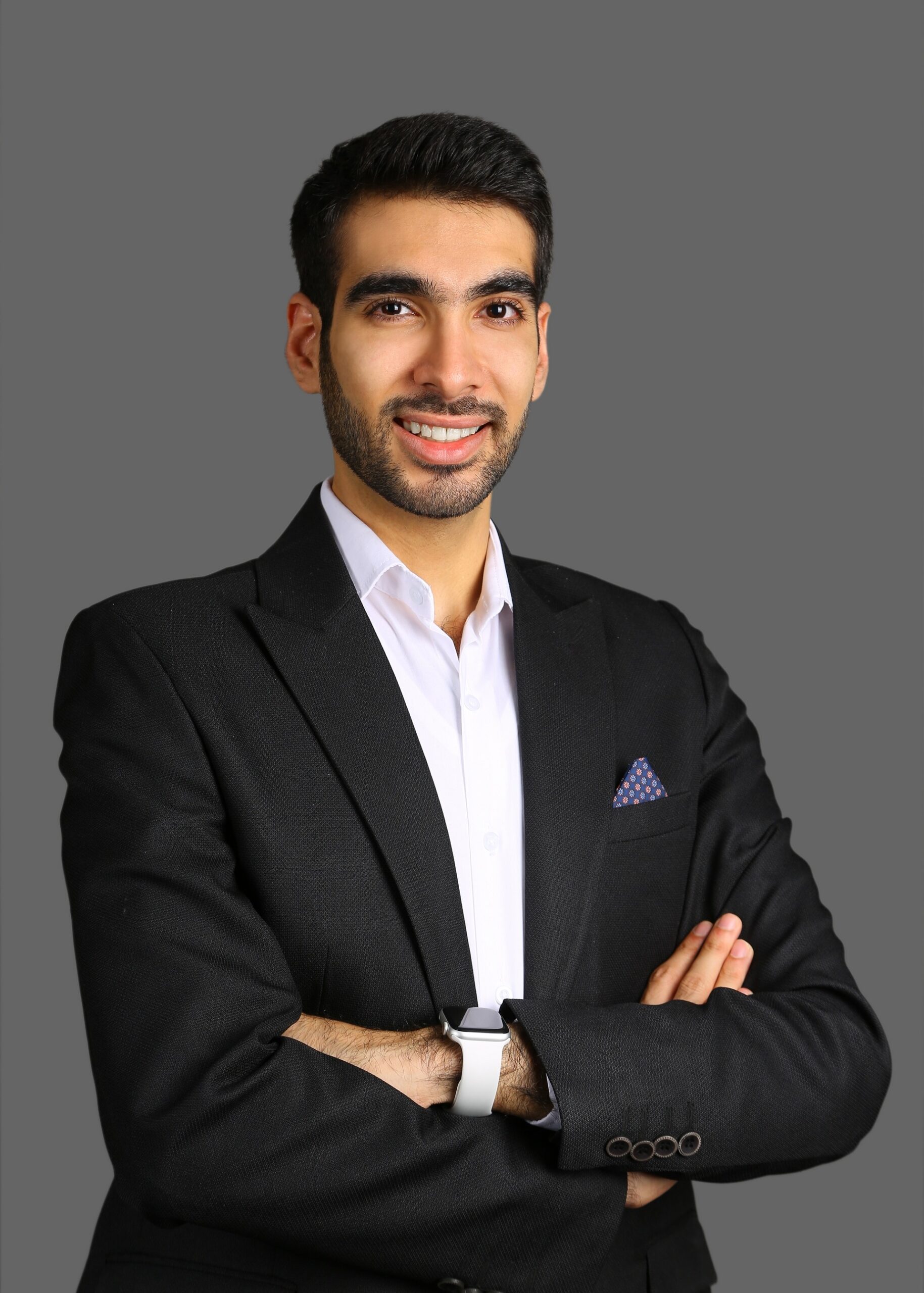
Dr. Suleiman Atieh
Founder
Dr. Suleiman Atieh is a pharmacist and founder of إلَيَّ, with a strong passion for healthcare marketing, brand strategy, and business development. He focuses on building meaningful healthcare brands that connect science, market needs, and modern communication.
Reviewed by Celine Abdallah
Last updated: May 23, 2026
Table of Contents
هذا المقال لأغراض تثقيفية فقط، ولا يُعد بديلًا عن الاستشارة الطبية المتخصصة.
ما هي المستحضرات العصبية التجميلية؟
تشير المستحضرات العصبية التجميلية إلى منتجات وروتينات عناية بالبشرة تُصمَّم حول العلاقة بين البشرة والدماغ. تقوم الفكرة على أن البشرة ليست مجرد سطح خارجي، بل هي عضو حي يتفاعل مع الجهاز العصبي، الهرمونات، الاستجابات المناعية، والعوامل الخارجية المسببة للتوتر.
في عالم الجمال، يشمل هذا التوجه غالبًا القوامات المهدئة، المكونات اللطيفة، الروائح الهادئة، التأثيرات الباردة أو المنعشة، اللمس اللطيف، والتركيبات التي تهدف إلى دعم راحة البشرة.
وتصف بعض النقاشات العلمية والصناعية هذا المجال بأنه عناية بالبشرة تعمل من خلال واجهة التواصل بين البشرة والدماغ، بهدف تحسين الراحة، الإحساس بالتوتر، والعافية، دون تحويل مستحضرات التجميل إلى علاجات طبية.
هذا لا يعني أن الكريم يمكنه “علاج” التوتر. بل يعني أن العناية بالبشرة أصبحت تُصمَّم بشكل متزايد كجزء من تجربة أوسع للعناية الذاتية.
لماذا يظهر التوتر على البشرة؟
البشرة والعقل مرتبطان بشكل عميق. عندما ترتفع مستويات التوتر، يفرز الجسم هرمونات وإشارات التهابية مرتبطة بالتوتر، وقد تؤثر هذه الإشارات على البشرة.
تشير الأكاديمية الأمريكية للأمراض الجلدية إلى أن التوتر قد يزيد الحكة، وقد يحرّض أو يفاقم بعض مشاكل الجلد مثل الإكزيما، الصدفية، الشرى، حب الشباب، وبعض مشكلات الشعر.
قد يؤثر التوتر أيضًا على إفراز الدهون، الالتهاب، التئام الجلد، وطريقة ظهور الحالات الجلدية الموجودة مسبقًا. لذلك، يلاحظ كثير من الناس ظهور الحبوب، بهتان البشرة، الحساسية، الجفاف، أو التهيّج خلال فترات الضغط النفسي.
النقطة الأساسية بسيطة: صحة البشرة لا تعتمد فقط على ما نضعه خارجيًا. فهي تتأثر أيضًا بالنوم، التوتر، المشاعر، نمط الحياة، الهرمونات، والعادات اليومية.
لماذا أصبحت المستحضرات العصبية التجميلية شائعة؟
تزداد شعبية المستحضرات العصبية التجميلية لأن المستهلكين أصبحوا أكثر وعيًا بالجانب العاطفي للعناية بالبشرة. لم يعد روتين العناية يُنظر إليه فقط كخطوة وظيفية، بل يمكن أن يصبح لحظة هدوء، ثبات، وعناية شخصية.
ينسجم هذا التوجه تمامًا مع حركة أوسع تُعرف بجمال العافية. فالمستهلكون يهتمون اليوم بالمنتجات التي تمنحهم شعورًا بالراحة، اللطف، والمكافأة العاطفية. وتصف تقارير الصناعة المستحضرات العصبية التجميلية كجزء من التحول نحو الجمال الشمولي، حيث يبحث الناس عن منتجات تساعدهم على الشعور بشكل أفضل، وليس فقط الظهور بشكل أفضل.
كما يعكس نمو هذا المجال الطلب الأكبر على منتجات الجمال المرتبطة بالعافية. وقد قدّرت بعض أبحاث السوق حجم سوق المستحضرات العصبية التجميلية بحوالي 1.94 مليار دولار أمريكي في عام 2024، مع توقعات بالنمو حتى عام 2030.
العلاقة بين البشرة والعقل
تحتوي البشرة على نهايات عصبية، مستقبلات حسية، خلايا مناعية، ووظائف حاجزية تسمح لها بالاستجابة للبيئة المحيطة. لهذا السبب يمكن أن تشعري بأن منتجًا ما يبرد البشرة، يدفئها، يريحها، ينعشها، أو يسبب لها التهيّج.
قوام الكريم الناعم، تدليك الوجه بلطف، رائحة هادئة، أو سيروم بارد يمكن أن يخلق تجربة حسية. هذه اللحظات الصغيرة قد تؤثر في شعور الشخص أثناء روتينه.
وهنا تكمن قوة المستحضرات العصبية التجميلية: فهي تعترف بأن العناية بالبشرة ليست كيميائية فقط، بل حسية أيضًا.
قد يدعم المنتج حاجز البشرة، لكن الطريقة التي يشعر بها على الجلد، رائحته، سرعة امتصاصه، ومكانه داخل روتين هادئ يمكن أن تؤثر أيضًا على التجربة العاطفية لاستخدامه.
مكونات شائعة في العناية المهدئة بالبشرة
غالبًا ما تتقاطع المستحضرات العصبية التجميلية مع العناية اللطيفة، الداعمة لحاجز البشرة، والمناسبة للبشرة الحساسة. يكون التركيز عادةً على الراحة، الترطيب، وتقليل الإحساس بالتهيج.
من المكونات الشائعة:
النياسيناميد
يُستخدم غالبًا لدعم حاجز البشرة وتحسين مظهر تفاوت لون البشرة.
السيراميدات
تساعد على دعم حاجز البشرة وتقليل فقدان الرطوبة.
البانثينول
معروف بدوره المهدئ والمرطب في العناية بالبشرة.
السنتيلا الآسيوية
مكوّن شائع في العناية المهدئة بالبشرة، خاصة في الروتينات المستوحاة من الجمال الكوري.
الألوفيرا
تُستخدم غالبًا لدعم الترطيب والراحة.
الإكتوين
مكوّن للحماية من التوتر البيئي أصبح شائعًا في العناية الحديثة بالبشرة.
الببتيدات
تُستخدم في التركيبات التي تركّز على مظهر بشرة أكثر صحة، نعومة، وتماسكًا.
التركيبات الخالية من العطر أو قليلة العطر
قد تكون مفيدة للأشخاص الذين تتهيج بشرتهم بسهولة من العطور القوية.
الأهم ليس ملاحقة كل مكوّن رائج. الروتين الجيد ضمن هذا التوجه يجب أن يكون لطيفًا، داعمًا، ومناسبًا لبشرتك.
المستحضرات العصبية التجميلية وحاجز البشرة
قد يجعل التوتر البشرة أكثر تفاعلًا وحساسية، لكن الروتين المبالغ فيه قد يزيد المشكلة أيضًا. استخدام الكثير من الأحماض القوية، الريتينويدات، المقشرات، أو الغسولات القاسية قد يضعف حاجز البشرة.
لذلك، تعمل المستحضرات العصبية التجميلية بشكل أفضل عندما تبدأ من مبدأ: حاجز البشرة أولًا.
يساعد حاجز البشرة الصحي على الاحتفاظ بالرطوبة وجعل البشرة أكثر راحة. وعندما يتضرر هذا الحاجز، قد تشعر البشرة بالشد، الجفاف، الحكة، الاحمرار، أو الحساسية.
يجب أن يركّز الروتين المهدئ على:
التنظيف اللطيف.
الترطيب اليومي.
المكونات الداعمة لحاجز البشرة.
الحماية من الشمس.
إدخال المكونات النشطة ببطء.
تجنب الإفراط في التقشير.
الهدف ليس إجبار البشرة على التغيّر بسرعة. الهدف هو مساعدتها على الشعور بالأمان، التوازن، والدعم.
دور الجمال الحسي
أحد أسباب حداثة هذا التوجه هو أنه يعطي أهمية للجانب الحسي من الجمال.
القوام مهم.
اللمس مهم.
الرائحة قد تكون مهمة.
درجة الحرارة مهمة.
الشعور بعد التطبيق مهم.
قد يمنح الجل الخفيف شعورًا بالانتعاش. وقد يمنح الكريم الغني شعورًا بالاحتواء والراحة. وقد يشعر البلسم الخالي من العطر بأنه أكثر أمانًا للبشرة الحساسة. وقد يكون السيروم البارد مهدئًا بعد يوم طويل.
قد تبدو هذه التجارب صغيرة، لكنها يمكن أن تحوّل العناية بالبشرة من مهمة سريعة إلى طقس عناية ذاتية يحمل معنى.
هذا لا يعني أن العناية بالبشرة يجب أن تحل محل الراحة، العلاج النفسي، الرعاية الطبية، أو إدارة التوتر. لكنها يمكن أن تصبح لحظة يومية صغيرة تدعم الرفاه العاطفي.
روتين بسيط مستوحى من المستحضرات العصبية التجميلية
روتين الصباح
1. غسول لطيف
استخدمي غسولًا خفيفًا لا يترك البشرة مشدودة أو جافة.
2. سيروم مرطّب
اختاري مكونات مثل الجلسرين، حمض الهيالورونيك، البانثينول، أو النياسيناميد.
3. مرطب داعم لحاجز البشرة
ابحثي عن مكونات مثل السيراميدات، السكوالان، أو المكونات المهدئة.
4. واقي الشمس
تبقى الحماية من الشمس واحدة من أهم خطوات العناية اليومية بالبشرة. توصي الأكاديمية الأمريكية للأمراض الجلدية باستخدام واقي شمس واسع الطيف بعامل حماية 30 أو أعلى.
روتين المساء
1. تنظيف لطيف
لإزالة واقي الشمس، المكياج، والتلوث المتراكم خلال اليوم.
2. علاج مهدئ
قد يشمل ذلك النياسيناميد، الببتيدات، البانثينول، أو المنتجات التي تحتوي على السنتيلا.
3. ترطيب جيد
اختاري كريمًا أو بلسمًا يترك البشرة مرتاحة.
4. إضافة لحظة وعي
دلّكي المنتج ببطء على البشرة، تنفسي بعمق، واجعلي الروتين لحظة استرخاء بدلًا من مهمة سريعة.
ما الذي لا تعنيه المستحضرات العصبية التجميلية؟
رغم أن هذا المجال مثير للاهتمام، يجب فهمه بواقعية.
هو ليس بديلًا عن الدعم النفسي.
ليس علاجًا للتوتر.
ليس علاجًا طبيًا للأمراض الجلدية.
ولا يجب أن يقدم ادعاءات مبالغًا فيها.
بدلًا من ذلك، يجب النظر إلى المستحضرات العصبية التجميلية كنهج يجمع بين علم العناية بالبشرة، التجربة الحسية، والعناية الذاتية العاطفية.
بالنسبة لمن يعانون من الإكزيما، حب الشباب، الصدفية، الوردية، أو تهيج مستمر، من الأفضل دائمًا التحدث مع طبيب جلدية قبل الاعتماد على الترندات أو المنتجات الجديدة.
من قد يستفيد من هذا التوجه؟
قد يناسب هذا النوع من العناية الأشخاص الذين:
يشعرون أن بشرتهم تتفاعل خلال فترات التوتر.
يفضلون الروتينات اللطيفة والمهدئة.
يريدون عناية بالبشرة تشعرهم بالراحة، لا بالضغط.
لديهم بشرة حساسة أو سهلة التهيّج.
يستمتعون بالجمال كجزء من العناية الذاتية.
يرغبون في نهج أكثر وعيًا للعناية بالبشرة.
وهو مناسب بشكل خاص للأشخاص الذين تعبوا من الروتينات المعقدة، ويريدون عناية بسيطة، مهدئة، ومقصودة.
أخطاء شائعة يجب تجنبها
استخدام الكثير من المنتجات المهدئة في الوقت نفسه
حتى المنتجات المهدئة قد تهيّج البشرة إذا زاد عددها في الروتين.
تصديق كل ادعاء مرتبط بتخفيف التوتر
بعض الادعاءات تكون تسويقية أكثر من كونها علمية.
تجاهل الأساسيات
لا يوجد ترند يمكن أن يحل محل التنظيف، الترطيب، واقي الشمس، النوم، والاستمرارية.
استخدام العطر إذا كانت بشرتك حساسة
قد تكون الرائحة المريحة جميلة، لكنها قد تهيّج بعض أنواع البشرة.
توقع نتائج فورية
راحة البشرة ودعم حاجزها يحتاجان إلى وقت.
أفكار ختامية
تمثل المستحضرات العصبية التجميلية فصلًا جديدًا في عالم الجمال. فهي تعكس انتقال العناية بالبشرة من التركيز على المظهر فقط إلى الاهتمام أيضًا بالراحة، التوتر، المزاج، وتجربة العناية الذاتية بالكامل.
مستقبل الجمال لا يتعلق فقط بأن تبدو البشرة مثالية. بل يتعلق بالشعور بالاتصال بالبشرة، فهم كيف يمكن للتوتر أن يؤثر عليها، وبناء روتينات تدعم صحة البشرة والتوازن العاطفي معًا.
تذكّرنا المستحضرات العصبية التجميلية أن العناية بالبشرة يمكن أن تكون أكثر من مجرد منتج. يمكن أن تكون وقفة، طقسًا يوميًا، وطريقة لطيفة للعودة إلى الذات.
الأسئلة الشائعة
ما معنى المستحضرات العصبية التجميلية؟
تشير إلى منتجات وروتينات عناية بالبشرة مصممة حول العلاقة بين البشرة، الجهاز العصبي، التوتر، والعافية الحسية.
هل يمكن للعناية بالبشرة أن تقلل التوتر؟
العناية بالبشرة لا تعالج التوتر، لكن الروتين الهادئ، اللمس اللطيف، والقوام المريح قد تساعد على خلق لحظة استرخاء وعناية ذاتية.
هل يمكن أن يؤثر التوتر على البشرة؟
نعم. قد يفاقم التوتر حب الشباب، الحكة، الإكزيما، الصدفية، الشرى، وبعض مشكلات البشرة والشعر لدى بعض الأشخاص.
ما المكونات المناسبة للعناية المهدئة بالبشرة؟
تشمل المكونات الشائعة النياسيناميد، السيراميدات، البانثينول، السنتيلا الآسيوية، الألوفيرا، السكوالان، والمرطبات اللطيفة.
هل المستحضرات العصبية التجميلية مجرد ترند؟
هي ترند، لكنها مرتبطة بفكرة حقيقية: البشرة والجهاز العصبي يتفاعلان معًا. المهم هو تجنب الادعاءات المبالغ فيها والتركيز على العناية اللطيفة والداعمة للبشرة.
References
- American Academy of Dermatology — Stress-related skin, hair, and nail concerns.
- Personal Care Insights — Neurocosmetics and well-being demand in 2026 beauty.
- Beauty Independent — Top skincare trends for 2026 and neurocosmetic protocols.
- MDPI Cosmetics — Neurocosmetics and the skin–brain axis from a cosmetic science perspective.
- Grand View Research — Neurocosmetics market size and growth outlook.
About the Author
Dr. Suleiman Atieh is a pharmacist and founder of إلَيَّ, with a strong passion for healthcare marketing, brand strategy, and business development. He focuses on building meaningful healthcare brands that connect science, market needs, and modern communication.
Dr. Suleiman Atieh
Founder