

البروتين والألياف: التركيبة القوية الجديدة
- مايو 23, 2026
- التغذية والفيتامينات
تأتي ترندات التغذية وتذهب، لكن بعضها يبرز لأسباب صحيحة. في عام 2026، يُعد التركيز المتزايد على الجمع بين البروتين والألياف واحدًا من أقوى التحوّلات في عالم الغذاء والعافية. وتشير تغطيات اتجاهات التغذية إلى أن البروتين والألياف أصبحا من الأولويات البارزة، مدفوعين بالطلب على أطعمة تدعم الشبع، صحة الأمعاء، وتناول طعام عملي وأكثر فائدة في الحياة اليومية.
تكتسب هذه التركيبة اهتمامًا لأنها تبدو واقعية وسهلة التطبيق. لطالما ارتبط البروتين بصحة العضلات والشعور بالشبع، بينما أصبحت الألياف تُقدّر أكثر لدورها في صحة الأمعاء، الهضم، ودعم الشهية. معًا، يعكسان نهجًا أكثر توازنًا وحداثة في التغذية.

Dr. Suleiman Atieh
Founder
Dr. Suleiman Atieh is a pharmacist and founder of إلَيَّ, with a strong passion for healthcare marketing, brand strategy, and business development. He focuses on building meaningful healthcare brands that connect science, market needs, and modern communication.
Reviewed by Celine Abdallah
Last updated: May 23, 2026
Table of Contents
هذا المقال لأغراض تثقيفية فقط، ولا يُعد بديلًا عن الاستشارة الطبية المتخصصة.
لماذا أصبح البروتين والألياف ترندًا معًا؟
لم يعد المستهلكون يبحثون فقط عن منتجات قليلة السعرات أو قليلة الدهون. أصبحوا يريدون طعامًا يمنحهم شعورًا بالشبع، يكون غنيًا بالعناصر الغذائية، ومفيدًا في الحياة اليومية. وتُظهر تقارير التغذية لعام 2026 أن البروتين والألياف أصبحا عاملين أساسيين في تطوير المنتجات الغذائية، خاصة المنتجات المصممة لدعم الشبع، التوازن الأيضي، وصحة الجهاز الهضمي.
كما أن هذا الجمع ينسجم مع اتجاهات غذائية أوسع تركز على:
الوجبات الخفيفة الأذكى.
الأطعمة الداعمة لصحة الأمعاء.
توازن الوجبات بشكل أفضل.
التغذية المبنية على الأطعمة الكاملة.
وجبات صغيرة لكنها مغذية ومشبعة.
ما الذي يجعل هذه التركيبة فعّالة؟
يقدّم كل من البروتين والألياف فوائد مختلفة ومتكاملة.
يساعد البروتين على دعم الحفاظ على العضلات، إصلاح الأنسجة، والشعور بالشبع. أما الألياف فتدعم صحة الجهاز الهضمي، تضيف حجمًا للطعام، ويمكن أن تساعد على الشعور بالامتلاء بعد الوجبات.
وعند الجمع بينهما في نفس الوجبة أو السناك، يصبح الأكل أكثر توازنًا وإشباعًا. بدلًا من ارتفاع سريع في الطاقة يتبعه جوع سريع، غالبًا ما تمنح الوجبات المبنية على البروتين والألياف شعورًا أكثر استقرارًا، شبعًا، وانسجامًا مع أهداف العافية طويلة المدى.
فوائد الجمع بين البروتين والألياف
1. شبع أفضل
يرتبط كل من البروتين والألياف بالشعور بالشبع. وتشير الأدبيات العلمية إلى أن كليهما قد يساهم في دعم التحكم بالشهية، ولهذا تظهر هذه التركيبة بشكل متزايد في نقاشات العافية وإدارة الوزن بطريقة صحية.
2. توازن أقوى في الوجبات
قد تكون الوجبة التي تعتمد على الكربوهيدرات المكررة وحدها أقل إشباعًا من وجبة تحتوي على البروتين والألياف. لذلك، تركّز الإرشادات الغذائية على الأنماط الغذائية الغنية بالعناصر، مثل مصادر البروتين، البقوليات، الحبوب الكاملة، الفواكه، والخضار.
3. دعم صحة الأمعاء
تلعب الألياف دورًا مهمًا في صحة الأمعاء، لأن بعض أنواع الألياف يمكن أن تتخمر بواسطة ميكروبيوم الأمعاء وتدعم إنتاج مركبات مفيدة داخل الجهاز الهضمي.
البروتين لا يستبدل دور الألياف في هذا الجانب، لكنه عندما يُدمج مع أطعمة غنية بالألياف، يساعد على بناء وجبات أكثر توازنًا وتوافقًا مع اتجاهات التغذية التي تركز على صحة الأمعاء.
4. خيار أذكى لعادات الأكل الحديثة
ترتبط تقارير عام 2026 بين المنتجات الغنية بالبروتين والألياف وبين احتياجات المستهلكين الحديثة، مثل الوجبات الصغيرة، الأطعمة الوظيفية، والاختيارات الغذائية العملية بدلًا من الأنظمة المتطرفة.
لماذا يهم هذا الموضوع بعيدًا عن الحميات؟
أحد أسباب أهمية هذا الموضوع أنه ينقل التغذية بعيدًا عن التطرف. البروتين والألياف لا يتعلقان باتباع حمية مؤقتة أو ترند سريع. بل يتعلقان ببناء وجبات تساعد الناس على الشعور بالشبع، التغذية، والدعم في حياتهم اليومية.
وهذا مهم بشكل خاص اليوم، لأن الإرشادات الغذائية الحديثة ما زالت تشجع على الأطعمة الحقيقية، الكاملة، والغنية بالعناصر الغذائية بدلًا من الأنماط الغذائية شديدة المعالجة.
أفضل أمثلة لأطعمة تجمع بين البروتين والألياف
الخبر الجيد أن هذا الترند لا يحتاج إلى منتجات معقدة. كثير من الوجبات اليومية تجمع بين البروتين والألياف بشكل طبيعي.
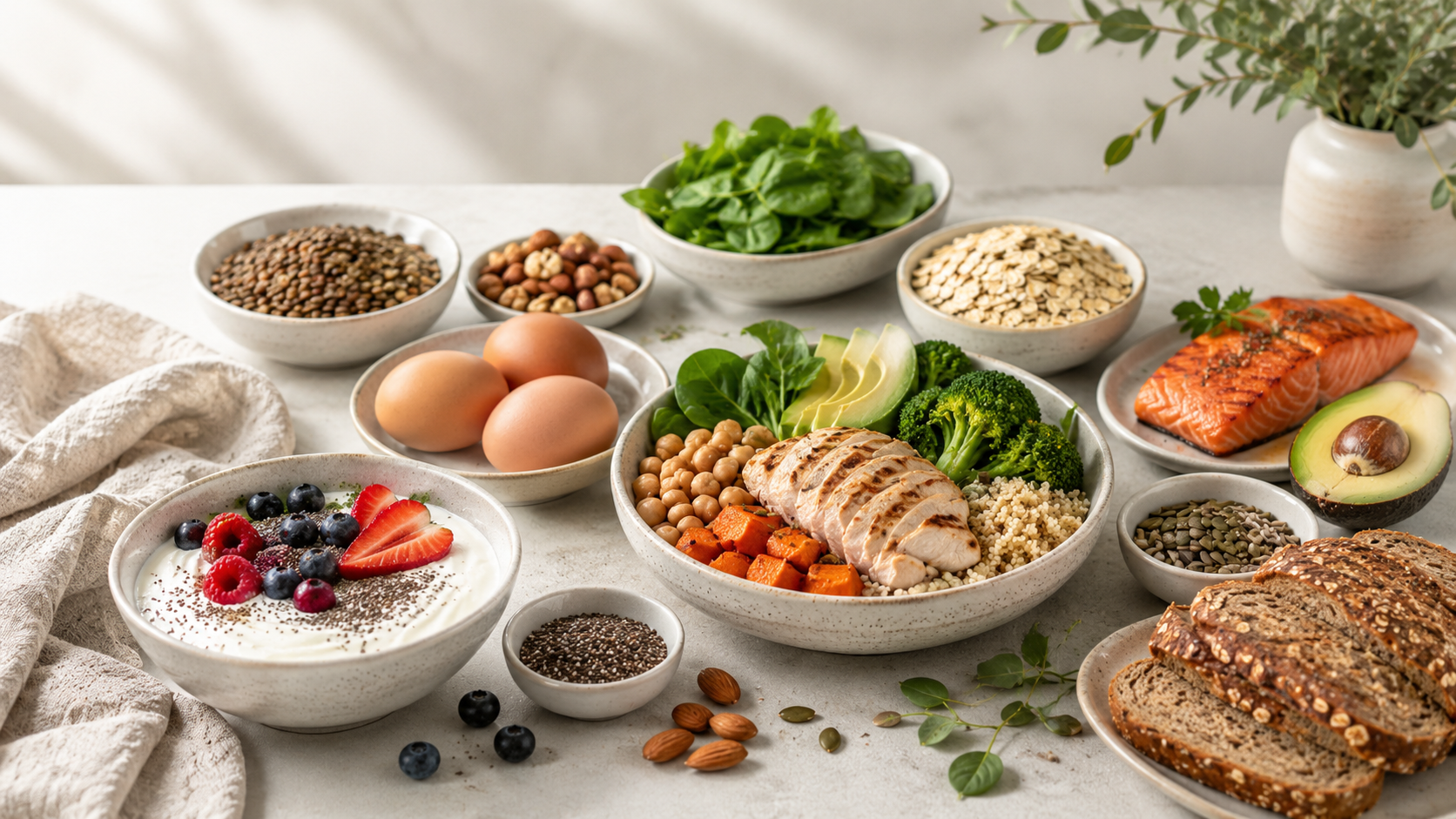
من الأمثلة:
زبادي يوناني مع التوت وبذور الشيا.
بيض مع خبز حبوب كاملة وأفوكادو.
شوربة عدس مع لبن أو جبنة.
دجاج مع كينوا وخضار مشوية.
جبنة قريش مع فواكه ومكسرات.
حمص مع خضار وبذور.
شوفان مع حليب أو زبادي، مكسرات، وتوت.
توفو مع أرز بني وبروكلي.
تنجح هذه التركيبات لأنها تجمع بين أطعمة غنية بالبروتين وأطعمة نباتية غنية بالألياف بطريقة واقعية وسهلة التطبيق.
طرق بسيطة لتناول المزيد من البروتين والألياف
اجعلي الفطور أفضل
جربي بدء اليوم بالشوفان مع الزبادي، البيض مع خبز الحبوب الكاملة، أو بودينغ الشيا مع الحليب والفواكه. هذه الخيارات تساعد على جعل الفطور أكثر إشباعًا من الخيارات المكررة وقليلة الألياف.
طوّري السناك اليومي
يمكن للسناك الذكي أن يجمع بين العنصرين طبيعيًا، مثل الزبادي مع التوت، شرائح التفاح مع زبدة المكسرات، أو الحمص مع الخضار.
أضيفي البقوليات أكثر
الفاصولياء، العدس، والحمص من أفضل الأمثلة على أطعمة تضيف الألياف والبروتين معًا، مما يجعلها مفيدة جدًا ضمن هذا التوجه.
اجمعي البروتين مع النباتات
بدلًا من التفكير في البروتين فقط من خلال اللحوم، مخفوقات البروتين، أو ألواح البروتين، فكري في التركيبات: السمك مع الخضار، البيض مع الخضار الورقية، التوفو مع الحبوب، أو منتجات الألبان مع الفواكه والبذور.
هل هذا مجرد مصطلح غذائي جديد؟
ليس تمامًا. قد تتغير لغة الترندات مع الوقت، لكن الفكرة وراء هذا التوجه قوية. فالبروتين والألياف مدعومان جيدًا في الأدبيات الغذائية، كما أن تقارير اتجاهات التغذية لعام 2026 تُظهر أن المستهلكين والعلامات الغذائية بدأوا يجمعون بينهما أكثر في نفس الحديث.
وهذا يجعل هذا الترند أكثر من مجرد لغة سوشيال ميديا. إنه يعكس تحولًا حقيقيًا نحو تغذية عملية ووظيفية.
أفكار ختامية
أصبح البروتين والألياف التركيبة القوية الجديدة لأنهما يجيبان على ما يبحث عنه الكثيرون اليوم: شبع أفضل، بنية وجبات أذكى، اختيارات داعمة لصحة الأمعاء، وعادات عافية أكثر واقعية.
تُظهر تقارير الترندات أن هذا الجمع يؤثر في ابتكارات الغذاء لعام 2026، بينما يدعم العلم أهمية كلا العنصرين ضمن نظام غذائي متوازن.
أبسط نسخة مفيدة من هذا الترند هي: بناء وجبات حقيقية تحتوي على البروتين والألياف معًا، وترك الاستمرارية تقوم بالباقي.
الأسئلة الشائعة
لماذا يتم الحديث عن البروتين والألياف معًا؟
لأن كليهما يدعم الشبع وبناء وجبات أكثر توازنًا، كما تشير تقارير التغذية لعام 2026 إلى أنهما من أبرز الأولويات في ابتكار المنتجات الغذائية.
هل يساعد البروتين والألياف على الشعور بالشبع؟
نعم. تشير الأبحاث إلى أن كلًا من البروتين والألياف قد يدعم التحكم بالشهية والشعور بالامتلاء.
ما أسهل أفكار لوجبات تجمع بين البروتين والألياف؟
تشمل الأمثلة الزبادي اليوناني مع التوت وبذور الشيا، البيض مع خبز الحبوب الكاملة، شوربة العدس، الحمص مع الخضار، أو الدجاج مع الكينوا والخضار.
هل هذا الترند صحي فعلًا؟
نعم، عندما يكون مبنيًا على وجبات متوازنة وأطعمة حقيقية، وليس على حميات متطرفة أو منتجات “صحية” شديدة المعالجة. تدعم الإرشادات الغذائية الحالية الأنماط الغنية بالعناصر، والتي تشمل مصادر البروتين والأطعمة النباتية الغنية بالألياف.
References
- Nutrition Insight. Protein and fiber are set to dominate nutrition innovation in 2026.
- PMC. Protein, fiber, and exercise: a narrative review of their roles in weight management and cardiometabolic health.
- USDA/FNS. Dietary Guidelines for Americans, 2025–2030.
- Nexira. 2026 food and beverage trends shaping innovation.
- PMC. Dietary fiber intake and gut microbiota in human health.
- PMC. Therapeutic benefits and dietary restrictions of fiber intake.
- PMC. Effect of a high-protein, high-fiber beverage preload on appetite and energy intake.
- Mayo Clinic. Dietary fiber: essential for a healthy diet.
About the Author
Dr. Suleiman Atieh is a pharmacist and founder of إلَيَّ, with a strong passion for healthcare marketing, brand strategy, and business development. He focuses on building meaningful healthcare brands that connect science, market needs, and modern communication.
Dr. Suleiman Atieh
Founder