

تعزيز الألياف: ترند أم تغذية ذكية؟ | صحة الأمعاء، الشبع، والعافية
- مايو 23, 2026
- التغذية والفيتامينات
أصبحت الألياف واحدة من أبرز مواضيع العافية والتغذية في عام 2026. فبعد أن كان يُنظر إليها سابقًا كموضوع غذائي بسيط يرتبط غالبًا بالهضم فقط، أصبحت اليوم جزءًا مهمًا من الحديث عن صحة الأمعاء، الشعور بالشبع، دعم سكر الدم، وجودة التغذية على المدى الطويل.
لكن هل ترند “تعزيز الألياف” منطقي فعلًا؟ أم أنه مجرد مصطلح صحي جديد منتشر على السوشيال ميديا؟
الإجابة تقع في المنتصف. الاهتمام بالألياف ليس عشوائيًا. فالكثير من الناس لا يحصلون على كميات كافية منها، كما أن للألياف فوائد معروفة في دعم الهضم، الشبع، وصحة القلب والأيض. لكن في الوقت نفسه، المزيد ليس دائمًا أفضل إذا حدث بشكل مفاجئ. الطريقة الذكية هي الأهم.

Dr. Suleiman Atieh
Founder
Dr. Suleiman Atieh is a pharmacist and founder of إلَيَّ, with a strong passion for healthcare marketing, brand strategy, and business development. He focuses on building meaningful healthcare brands that connect science, market needs, and modern communication.
Reviewed by Celine Abdallah
Last updated: May 23, 2026
Table of Contents
هذا المقال لأغراض تثقيفية فقط، ولا يُعد بديلًا عن الاستشارة الطبية المتخصصة.
لماذا أصبحت الألياف ترندًا فجأة؟
أصبحت الألياف ترندًا لأنها تناسب تمامًا ما يبحث عنه الناس اليوم في الطعام. لم يعد المستهلك المهتم بالعافية يبحث فقط عن السعرات الحرارية أو العناصر الغذائية الكبرى، بل أصبح يريد طعامًا يدعم صحة الأمعاء، يساعد على الشبع، يكون عمليًا، وينسجم مع نمط حياة أكثر توازنًا.
كما أن تقارير اتجاهات التغذية لعام 2026 سلّطت الضوء على الألياف إلى جانب البروتين كأحد أهم المواضيع التي تؤثر على اختيارات المستهلكين وتطوير المنتجات الغذائية هذا العام.
وتبرز أهمية الألياف لأنها ترتبط بعدة محاور صحية في الوقت نفسه، مثل:
دعم ميكروبيوم الأمعاء.
الشعور بالشبع والانتباه للشهية.
تناول أطعمة كاملة أكثر وأطعمة مكررة أقل.
تحسين جودة النظام الغذائي على المدى الطويل.
وهذا يجعل الألياف تبدو ترندًا، لكنها في الوقت نفسه مفيدة فعلًا.
ما هي الألياف الغذائية؟
الألياف الغذائية هي نوع من الكربوهيدرات لا يستطيع الجسم هضمه بالكامل. توجد الألياف بشكل طبيعي في الأطعمة النباتية مثل الفواكه، الخضار، البقوليات، المكسرات، البذور، والحبوب الكاملة.
تختلف أنواع الألياف في طريقة تأثيرها على الجسم، لكن بشكل عام تساعد الألياف على دعم الهضم، زيادة حجم البراز، والمساهمة في الشعور بالشبع بعد الوجبات.
بعض أنواع الألياف يمكن أن تتخمر بواسطة بكتيريا الأمعاء، مما يؤدي إلى إنتاج مركبات مفيدة مثل الأحماض الدهنية قصيرة السلسلة. وهذا أحد الأسباب التي تجعل الألياف مرتبطة بشكل قوي بصحة الأمعاء في النقاشات الصحية الحديثة.
لماذا تهم الألياف خارج موضوع الهضم؟
ما زال كثير من الناس يعتقدون أن الألياف تتعلق فقط بالإمساك. لكن هذا الفهم ضيق جدًا.
1. الألياف تدعم الشبع
تضيف الألياف حجمًا للطعام وقد تساعد الشخص على الشعور بالشبع بشكل أسرع. ولهذا تظهر كثيرًا في الحديث عن الشهية، الأكل المتوازن، وإدارة الوزن بطريقة صحية.
2. الألياف تدعم صحة الأمعاء
بعض أنواع الألياف تعمل كغذاء للبكتيريا النافعة في الأمعاء. وتُظهر المراجعات العلمية أن الألياف الغذائية يمكن أن تؤثر في ميكروبيوم الأمعاء وتدعم إنتاج مركبات مفيدة تنتجها البكتيريا.
3. الألياف مرتبطة بالصحة العامة
تشير التوصيات الغذائية إلى أهمية تناول كميات كافية من الألياف من مصادر نباتية متنوعة. كما أن الأنماط الغذائية الغنية بالألياف ترتبط عادةً بجودة غذائية أفضل وانخفاض بعض مخاطر الأمراض المزمنة.
4. الألياف تناسب الإرشادات الغذائية الحديثة
ما زالت الإرشادات الغذائية الحديثة تشجع على تناول الفواكه، الخضار، البقوليات، والحبوب الكاملة، وجميعها تساعد على رفع مدخول الألياف ضمن نمط غذائي صحي.
هل تعزيز الألياف فكرة ذكية؟
نعم، إذا كان المقصود هو الاهتمام أكثر بالأطعمة الغنية بالألياف وتحسين جودة النظام الغذائي.
ولا، إذا كان المقصود هو تحميل الوجبات فجأة بكميات كبيرة من مساحيق الألياف، ألواح الألياف، أو المكملات دون شرب كمية كافية من الماء أو مراعاة التنوع الغذائي.
تصبح الألياف تغذية ذكية عندما تأتي من نمط متوازن يعتمد على الأطعمة الكاملة. لكنها تصبح أقل ذكاءً عندما تتحول إلى عادة متطرفة أو اختصار يتجاهل الهضم، قدرة الجسم على التحمّل، وجودة الوجبة.
زيادة الألياف بسرعة كبيرة قد تسبب غازات، انتفاخًا، أو تقلصات. لذلك، أفضل نسخة من هذا الترند هي النسخة التدريجية، العملية، والتي تبدأ من الطعام أولًا.
كم نحتاج من الألياف فعليًا؟
تختلف التوصيات قليلًا حسب العمر، الجنس، واحتياج الطاقة، لكن كثيرًا من البالغين لا يصلون إلى الكمية الموصى بها من الألياف في حياتهم اليومية.
بدلًا من الهوس برقم معين أو اسم الترند، قد يكون السؤال الأفضل:
هل أتناول الفواكه، الخضار، البقوليات، المكسرات، البذور، والحبوب الكاملة بشكل منتظم؟
هذا السؤال غالبًا أكثر فائدة من مطاردة الرقم وحده.
أفضل مصادر الألياف الغذائية
أفضل طريقة لزيادة الألياف هي تناول المزيد من الأطعمة الغنية بها طبيعيًا.
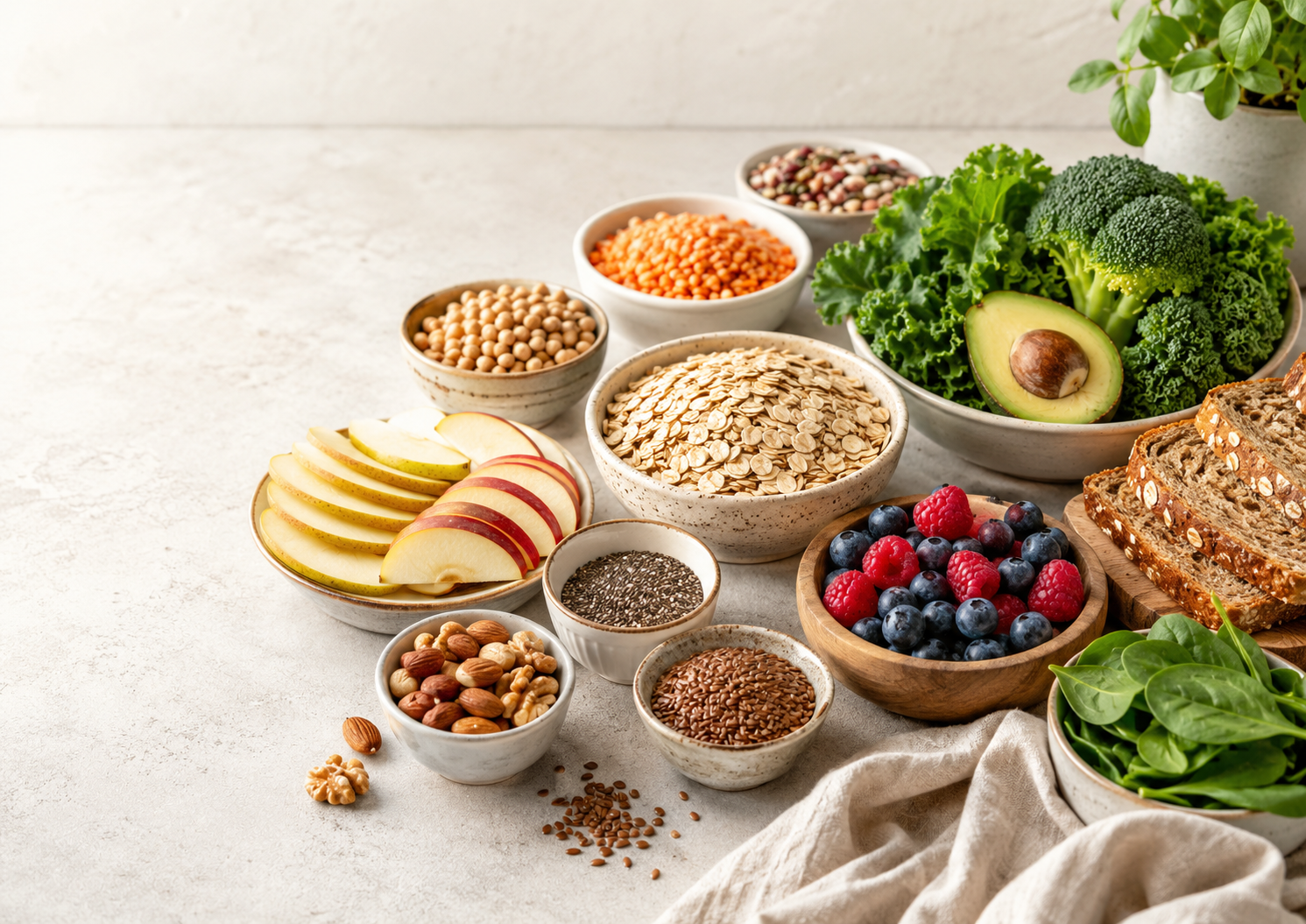
من المصادر الجيدة للألياف:
العدس والفاصولياء.
الحمص.
الشوفان.
بذور الشيا وبذور الكتان.
التوت.
التفاح والكمثرى.
البروكلي.
الخضار الورقية.
المكسرات.
الحبوب الكاملة.
هذه الأطعمة لا تقدم الألياف فقط، بل توفر أيضًا الفيتامينات، المعادن، المركبات النباتية، وتجربة غذائية أكثر إشباعًا وتوازنًا.
طرق بسيطة لزيادة الألياف دون مبالغة
ابدئي من وجبة الفطور
اختاري الشوفان، الفواكه، بذور الشيا، أو خيارات الحبوب الكاملة بدلًا من أطعمة الفطور شديدة التكرير. هذا يساعد على جعل تناول الألياف أكثر انتظامًا خلال اليوم.
أضيفي البقوليات أكثر
الفاصولياء، العدس، والحمص من أكثر الأطعمة الغنية بالألياف عملية وسهولة. كما أنها تدعم الشبع وتحسّن جودة الوجبة.
اختاري سناك أذكى
الفشار، الحمص المحمص، الفواكه، المكسرات، والبذور يمكن أن ترفع مدخول الألياف بشكل طبيعي أكثر من الاعتماد فقط على المنتجات المدعمة بالألياف.
اختاري الأطعمة الكاملة أولًا
قد تساعد المنتجات المدعمة بالألياف أحيانًا، لكنها لا يجب أن تحل محل الفواكه، الخضار، البقوليات، والحبوب الكاملة كأساس للنظام الغذائي.
زيدي الألياف تدريجيًا
هذه من أهم النقاط. رفع الألياف فجأة قد يسبب انزعاجًا هضميًا مثل الغازات، الانتفاخ، أو التقلصات. لذلك، التدرّج وشرب كمية كافية من السوائل هما الخيار الأذكى.
ترند نعم، لكنه يستحق الاهتمام
ليست كل ترندات التغذية تستحق المتابعة. لكن الألياف مختلفة، لأن هذا الترند مبني على شيء حقيقي. فهو يتوافق مع الإرشادات الغذائية طويلة الأمد، يدعم عدة أهداف صحية مهمة، ويساعد على تحويل الحديث بعيدًا عن الحميات المتطرفة نحو أنماط غذائية أكثر جودة.
بهذا المعنى، يمكن أن يكون تعزيز الألياف تغذية ذكية، طالما بقي مبنيًا على التوازن، التنوع، والعادات الواقعية.
أفكار ختامية
قد يبدو مصطلح تعزيز الألياف وكأنه لغة سوشيال ميديا، لكن الفكرة الصحية وراءه صحيحة. فالألياف تدعم الهضم، الشبع، صحة الأمعاء، وجودة النظام الغذائي بشكل عام. كما أنها تعكس تحوّلًا أوسع في عالم العافية نحو اختيارات غذائية أكثر ذكاءً ووظيفية.
النهج الأذكى ليس التعامل مع الألياف كموضة عابرة، بل استخدام هذا الترند كتذكير لبناء وجبات تعتمد على أطعمة حقيقية، نباتية، وغنية بالعناصر التي تدعم الصحة على المدى الطويل.
الأسئلة الشائعة
ما معنى تعزيز الألياف؟
يعني عادةً تناول المزيد من الأطعمة الغنية بالألياف بشكل مقصود، بهدف دعم صحة الأمعاء، الشبع، وجودة التغذية بشكل عام.
هل الألياف فعلًا من أهم ترندات التغذية حاليًا؟
نعم، تشير عدة تقارير عن اتجاهات التغذية لعام 2026 إلى أن الألياف أصبحت من أبرز المواضيع في عالم الغذاء والعافية.
هل تناول المزيد من الألياف يساعد على الشبع؟
نعم، الألياف تضيف حجمًا للطعام وقد تساعد على الشعور بالشبع بشكل أسرع، ولهذا ترتبط كثيرًا بالأكل المتوازن والشهية.
هل يمكن أن تكون كمية الألياف الزائدة مشكلة؟
نعم. زيادة الألياف بسرعة كبيرة قد تسبب غازات، انتفاخًا، وتقلصات، لذلك من الأفضل زيادتها تدريجيًا مع شرب كمية كافية من الماء.
References
- Dietary Guidelines for Americans, 2025–2030.
- MedlinePlus: Dietary Fiber.
- Academy of Nutrition and Dietetics position on dietary fiber.
- Dietary Fiber Intake and Gut Microbiota in Human Health.
- Therapeutic Benefits and Dietary Restrictions of Fiber Intake.
- The Role of Dietary Fiber in Health Promotion and Disease Prevention.
- Mayo Clinic: Dietary fiber, essential for a healthy diet.
- 2026 nutrition trend reporting on fiber and protein.
About the Author
Dr. Suleiman Atieh is a pharmacist and founder of إلَيَّ, with a strong passion for healthcare marketing, brand strategy, and business development. He focuses on building meaningful healthcare brands that connect science, market needs, and modern communication.
Dr. Suleiman Atieh
Founder