

جذر الناردين للنوم: الفوائد، الاستخدامات، والسلامة
- مايو 23, 2026
- الأعشاب والصحة الطبيعية
أصبح النوم واحدًا من أكبر مواضيع العافية في الحياة الحديثة. الناس اليوم يتابعون جودة نومهم، يعدّلون روتينهم الليلي، يقللون الكافيين، يستخدمون المغنيسيوم، يشربون مشروبات مهدئة، ويبحثون عن طرق طبيعية لدعم الراحة.
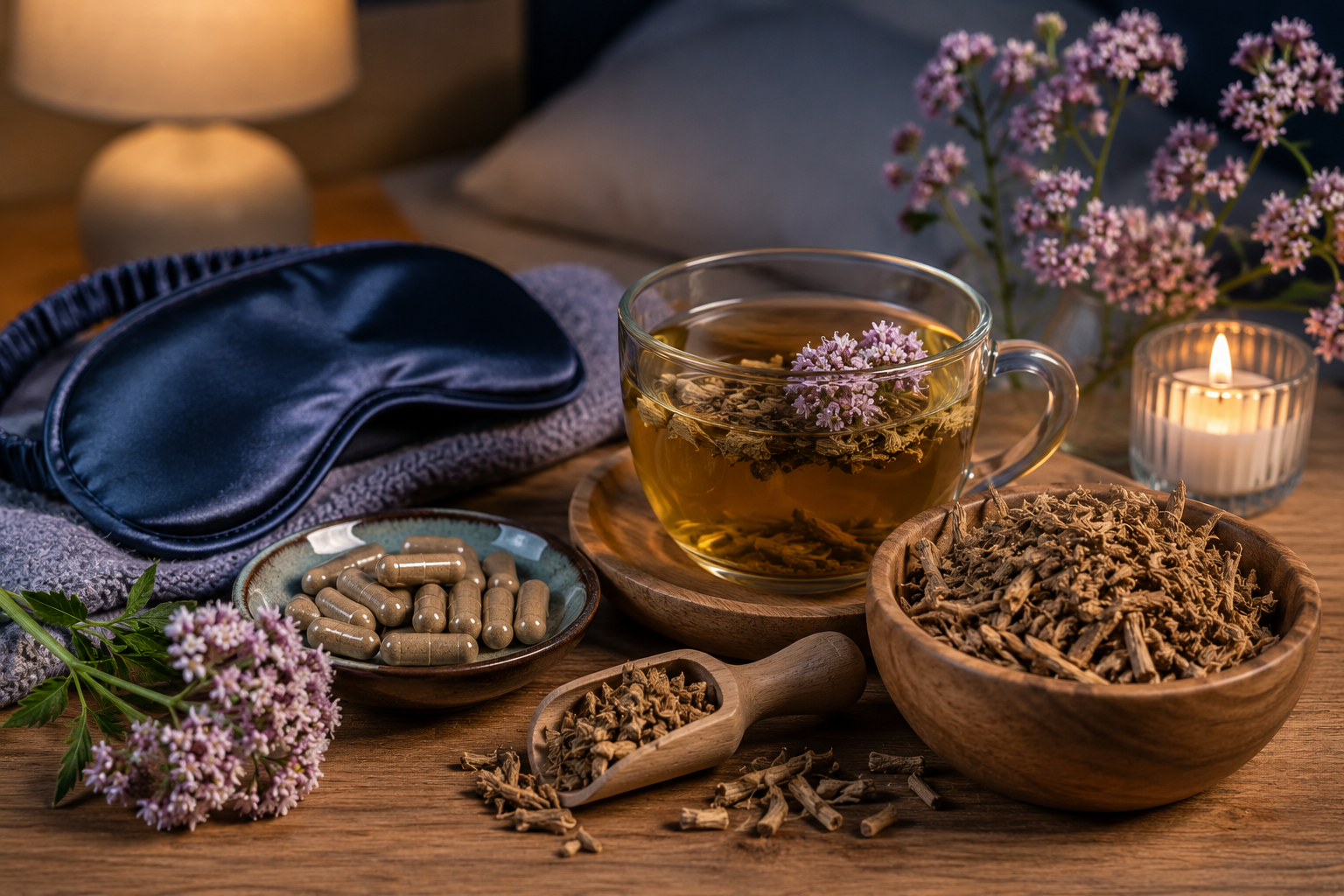
ومن بين الأعشاب المرتبطة بالنوم، يبرز جذر الناردين، المعروف أيضًا باسم الفاليريان، كواحد من أكثر الخيارات التقليدية شهرة. استُخدم لقرون في ممارسات العافية العشبية، وأصبح اليوم موجودًا في الشاي، الكبسولات، القطرات، والمكملات الليلية الداعمة للنوم.
لكن هل جذر الناردين فعلًا عشبة قديمة لدعم النوم، أم أنه مجرد ترند جديد في عالم العافية؟
الإجابة تقع في المنتصف. للناردين تاريخ طويل من الاستخدام التقليدي، وهناك اهتمام علمي بدراسته، لكن الأدلة ما زالت متفاوتة. وهذا يجعله موضوعًا مهمًا يجب فهمه بحذر، خاصة لمن يهتمون بالدعم العشبي للنوم.

Dr. Suleiman Atieh
Founder
Dr. Suleiman Atieh is a pharmacist and founder of إلَيَّ, with a strong passion for healthcare marketing, brand strategy, and business development. He focuses on building meaningful healthcare brands that connect science, market needs, and modern communication.
Reviewed by Celine Abdallah
Last updated: May 23, 2026
Table of Contents
هذا المقال لأغراض تثقيفية فقط، ولا يُعد بديلًا عن الاستشارة الطبية المتخصصة.
ما هو جذر الناردين؟
يأتي جذر الناردين من نبات Valeriana officinalis، وهو نبات مزهر ينمو في أجزاء من أوروبا وآسيا. عادةً تُستخدم الجذور والسيقان الأرضية في التحضيرات العشبية.
يُعرف الناردين غالبًا برائحته الترابية القوية، والتي تنتج عن مركباته النباتية الطبيعية. ويُستخدم عادةً في:
الشاي العشبي.
الكبسولات.
الأقراص.
المستخلصات السائلة.
خلطات دعم النوم.
يوضح مكتب المكملات الغذائية التابع للمعاهد الوطنية للصحة أن الناردين يُسوّق عادةً للأرق واضطرابات النوم الأخرى، رغم أن نتائج الأبحاث ليست متسقة بالكامل.
لماذا عاد جذر الناردين ليصبح ترندًا؟
عاد جذر الناردين إلى الواجهة لأن النوم لم يعد يُنظر إليه كرفاهية. أصبح النوم جزءًا أساسيًا من العافية اليومية، الإنتاجية، الجمال، توازن المزاج، والصحة العامة.
كثير من الناس يبحثون عن دعم للنوم يكون:
طبيعيًا.
غير منبّه.
نباتي المصدر.
سهل الدمج في الروتين.
أقل حدة من بعض أدوية النوم القوية.
وهنا يجد الناردين مكانه في سوق العافية الحديثة. فهو يمتلك صورة عشبية تقليدية، كما ينسجم مع مكونات مهدئة أخرى مثل المليسة، زهرة الآلام، البابونج، المغنيسيوم، واللافندر.
كيف قد يدعم جذر الناردين النوم؟
يُعتقد أن الناردين قد يؤثر على مسارات مهدئة في الجهاز العصبي، خاصة المسارات المرتبطة بالاسترخاء. وقد درس الباحثون الناردين من ناحية جودة النوم، سرعة الدخول في النوم، والراحة الليلية، لكن النتائج تختلف حسب المنتج، الجرعة، تصميم الدراسة، والفئة التي تمت دراستها.
وجدت مراجعة منهجية وتحليل تلوي أن الأشخاص الذين تناولوا الناردين كانت لديهم فرصة أعلى للإبلاغ عن تحسن في النوم مقارنةً بالعلاج الوهمي، لكن الباحثين أشاروا أيضًا إلى وجود تحيز في النشر وحدود في قوة الأدلة.
هذا يعني أن الناردين قد يساعد بعض الأشخاص على الشعور بأن جودة نومهم أفضل، لكنه لا يجب تقديمه كحل مضمون للأرق.
الصياغة المسؤولة هي:
جذر الناردين عشبة تقليدية تُدرس لدورها المحتمل في دعم جودة النوم والاسترخاء.
جذر الناردين والأرق: ماذا تقول الأبحاث؟
الأبحاث حول الناردين والأرق ما زالت مختلطة.
يشير المركز الوطني للصحة التكميلية والتكاملية إلى أن الأدلة حول فائدة الناردين لمشاكل النوم غير متسقة. كما يذكر أن الأكاديمية الأمريكية لطب النوم أوصت في إرشاداتها السريرية لعام 2017 بعدم استخدام الناردين لعلاج الأرق المزمن لدى البالغين.
هذا لا يعني أن الناردين بلا قيمة. بل يعني أن الأدلة ليست قوية بما يكفي لاعتماده كعلاج سريري للأرق المزمن.
لذلك، أفضل صياغة لمقال عافية هي:
قد يكون الناردين مناسبًا كجزء من روتين ليلي مهدئ، لكن مشاكل النوم المزمنة يجب مناقشتها مع مختص صحي.
عشبة قديمة بروتين عصري
واحد من أسباب استمرار شعبية الناردين هو أنه ينسجم بشكل طبيعي مع طقوس النوم الحديثة. اليوم، لا يبحث الناس فقط عن مكمل. بل يبحثون عن روتين كامل للنوم.
يمكن أن يكون الناردين جزءًا من روتين يشمل:
تقليل وقت الشاشة قبل النوم.
الحفاظ على وقت نوم ثابت.
شرب شاي مهدئ خالٍ من الكافيين.
ممارسة تمارين تمدد خفيفة أو تمارين تنفس.
تهيئة غرفة نوم مظلمة ومريحة.
تجنب الوجبات الثقيلة والكافيين قبل النوم.
هنا تظهر قيمة الناردين من زاوية نمط الحياة. فهو يدعم فكرة التباطؤ، بناء طقس ليلي، وتهيئة الجسم والعقل للراحة.
جذر الناردين مقابل الميلاتونين
غالبًا ما يوضع الناردين والميلاتونين ضمن نفس فئة دعم النوم، لكنهما ليسا الشيء نفسه.
الميلاتونين هو هرمون يشارك في تنظيم دورة النوم والاستيقاظ. وغالبًا ما يُستخدم لدعم اضطراب الساعة البيولوجية، مثل السفر الطويل أو تغير مواعيد النوم.
أما جذر الناردين فهو مكوّن عشبي يُستخدم تقليديًا لدعم الاسترخاء والنوم.
الناردين ليس هرمونًا، ولا يعمل بنفس طريقة الميلاتونين. وهذا يجعله جذابًا للأشخاص الذين يفضّلون الخيارات العشبية، لكنه يعني أيضًا أن التوقعات يجب أن تكون واقعية.
جذر الناردين في خلطات النوم العشبية
غالبًا ما يُدمج الناردين مع أعشاب ومغذيات أخرى مهدئة. من التركيبات الشائعة:
الناردين مع المليسة
يُستخدمان كثيرًا في التركيبات الليلية التي تركّز على الاسترخاء.
الناردين مع زهرة الآلام
شائعان في الخلطات العشبية المهدئة.
الناردين مع البابونج
تركيبة شائعة في الشاي وطقوس النوم اللطيفة.
الناردين مع المغنيسيوم
تُستخدم في مكملات النوم الحديثة التي تربط بين استرخاء العضلات، دعم الجهاز العصبي، والراحة.
قد تبدو المنتجات المركبة أكثر شمولًا، لكن الجودة مهمة. الجرعة، نوع المستخلص، شكل المكونات، ووضوح الملصق كلها عوامل تؤثر على قيمة المنتج.
كيف تختارين مكمل جذر الناردين؟
عند اختيار منتجات جذر الناردين، ابحثي عن ملصق واضح وشفاف.
المنتج الجيد يجب أن يوضح:
الشكل المستخدم
مثل مسحوق الجذر، المستخلص، الشاي، أو القطرات.
الكمية في كل حصة
يجب أن يذكر الملصق الجرعة بوضوح.
تفاصيل المستخلص
معلومات توحيد التركيز تكون مفيدة عند توفرها.
المكونات الفعالة الأخرى
خاصة إذا كانت التركيبة تحتوي على المغنيسيوم، الميلاتونين، زهرة الآلام، أو المليسة.
تحذيرات السلامة
يجب أن توضح المنتجات الجيدة متى يجب تجنب الاستخدام أو استشارة مختص صحي.
السلامة: ما الذي يجب معرفته قبل استخدام جذر الناردين؟
يُعتبر الناردين آمنًا نسبيًا للاستخدام قصير المدى لدى كثير من البالغين، لكن الأعراض الجانبية قد تحدث. قد تشمل الآثار الجانبية الصداع، الدوخة، اضطرابات المعدة، أو حتى صعوبة النوم عند بعض الأشخاص.
كما قد لا يكون الناردين مناسبًا خلال الحمل أو الرضاعة، ويجب تجنبه أو استخدامه فقط بتوجيه طبي عند وجود أمراض في الكبد.
لأن الناردين قد يسبب النعاس، من المهم عدم القيادة أو تشغيل الآلات بعد تناوله. كما قد يتداخل مع المهدئات، الكحول، أو المنتجات الأخرى التي تؤثر على النعاس والانتباه.
للسلامة، يجب على أي شخص يستخدم أدوية، لديه حالة صحية، حامل، مرضعة، أو يعاني من مشاكل نوم مستمرة، أن يتحدث مع مختص صحي قبل استخدام مكملات الناردين.
من قد يهتم بجذر الناردين؟
قد يجذب الناردين الأشخاص الذين:
يفضلون الروتينات الليلية العشبية.
يريدون دعمًا خاليًا من الكافيين للنوم.
يشعرون بفرط التنبيه الذهني قبل النوم.
يحبون الشاي العشبي أو المكملات النباتية.
يهتمون بطقوس الاسترخاء الطبيعية.
ومع ذلك، الناردين ليس مناسبًا للجميع. فمشاكل النوم قد تكون لها أسباب عديدة، مثل التوتر، عادات استخدام الشاشات، الكافيين، الجداول غير المنتظمة، الحالات الصحية، الأدوية، أو المخاوف النفسية.
أفكار ختامية
جذر الناردين هو في الوقت نفسه عشبة قديمة وترند حديث للنوم. استخدامه التقليدي الطويل يمنحه هوية عشبية قوية، بينما أعادته ثقافة العافية الحديثة المرتبطة بالنوم إلى الواجهة.
العلم حول الناردين واعد في بعض الجوانب، لكنه ما زال غير ثابت بشكل عام. لذلك، من الأفضل الحديث عنه بتوازن: قد يدعم الاسترخاء وجودة النوم لدى بعض الأشخاص، لكنه لا يجب أن يُعامل كحل مضمون أو بديل عن الرعاية الطبية.
في العافية الحديثة، قد تكون قوة الناردين الحقيقية في الطقس نفسه. فهو يذكرنا أن النوم الأفضل لا يتعلق فقط بما نتناوله، بل أيضًا بكيف نهيئ الجسم والعقل للراحة.
الأسئلة الشائعة
ما استخدام جذر الناردين؟
يُستخدم جذر الناردين تقليديًا لدعم الاسترخاء والنوم. يوجد عادةً في الشاي، الكبسولات، القطرات، وتركيبات العافية الليلية.
هل يساعد جذر الناردين على النوم؟
الأبحاث مختلطة. تشير بعض الدراسات إلى أنه قد يحسّن جودة النوم التي يشعر بها الشخص، بينما لا توصي بعض الإرشادات باستخدامه لعلاج الأرق المزمن بسبب عدم اتساق الأدلة.
هل يمكن تناول جذر الناردين كل ليلة؟
يعتمد الاستخدام اليومي على الجرعة، جودة المنتج، الحالة الصحية، والأدوية المستخدمة. من الأفضل استشارة مختص صحي قبل استخدامه بانتظام، خاصة عند وجود مشاكل نوم مستمرة.
هل جذر الناردين آمن؟
يُعتبر الناردين آمنًا نسبيًا للاستخدام قصير المدى لدى كثير من البالغين، لكن قد يسبب الصداع، الدوخة، اضطراب المعدة، أو النعاس. يجب تجنبه أو استخدامه فقط بإشراف مختص خلال الحمل، الرضاعة، أمراض الكبد، أو عند استخدام المهدئات.
References
- National Center for Complementary and Integrative Health. Valerian: Usefulness and Safety.
- NIH Office of Dietary Supplements. Valerian – Health Professional Fact Sheet.
- Bent S, et al. Valerian for Sleep: A Systematic Review and Meta-Analysis.
- Mayo Clinic. Valerian: A safe and effective herbal sleep aid?
- Guadagna S, et al. Plant Extracts for Sleep Disturbances: A Systematic Review.
About the Author
Dr. Suleiman Atieh is a pharmacist and founder of إلَيَّ, with a strong passion for healthcare marketing, brand strategy, and business development. He focuses on building meaningful healthcare brands that connect science, market needs, and modern communication.
Dr. Suleiman Atieh
Founder